
Introduction: The Clarity Check
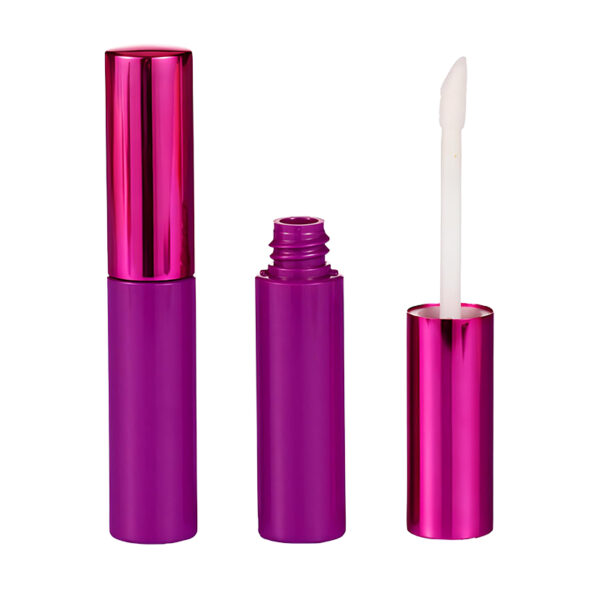
Here’s the truth: product teams don’t lose time on color, they lose it on packaging fallout. A clear lip gloss tube looks simple on a mood board, but the real work is in the tiny details. In busy cycles, teams default to bulk orders of clear lip gloss wand tubes and hope the rest falls in line. Yet internal reviews often show that most post-launch complaints link to leaks, fogging, or inconsistent pickup—small misses that cost big. We see it when viscosity shifts meet a wiper that wasn’t tuned, or when injection molding variation feeds a stubborn cap torque issue (yes, the kind that shows up in the first batch photos). If even 2% of units fail a simple drop test, it can ripple through returns and rework.
So the real question: how do you spec for clarity and control, not just style? You need to compare what looks right to what performs under stress—on shelf, in shipping, and in a handbag. The data is there, but only if you ask it the right way. Let’s move from “nice” to “nailed.” Next, we’ll uncover why the usual fixes keep missing the mark—and where the friction really sits.
Under the Surface: Hidden User Pain Points
What’s the real snag?
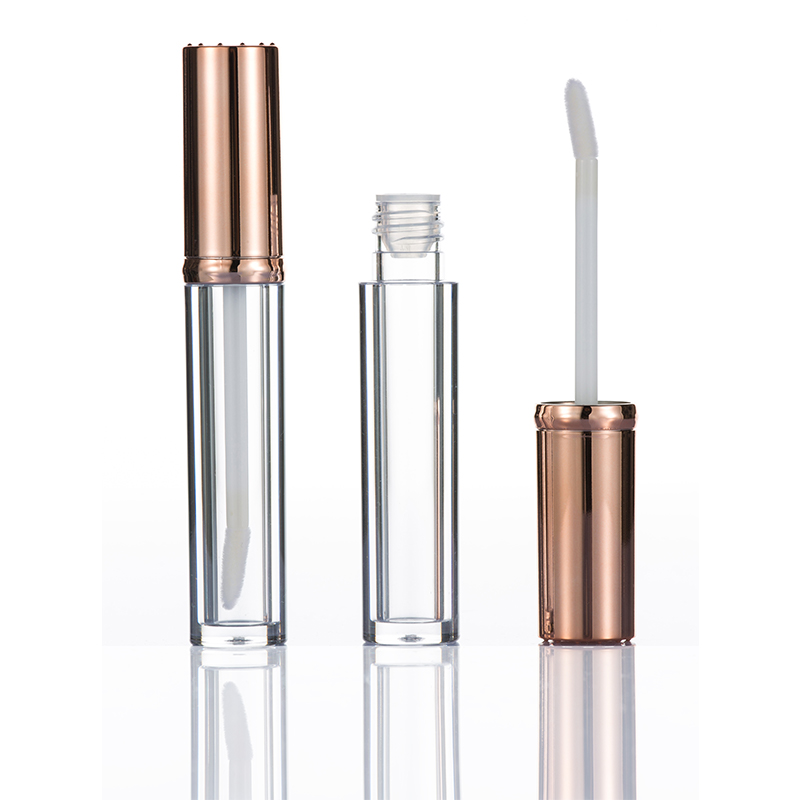
When users say a gloss “feels messy,” it’s rarely the formula alone. It’s how clear lip gloss wand tubes manage flow, seal, and sight lines. Many default specs focus on wall clarity and label space. But pain hides in the interface between the stem, wiper, and neck finish. PETG walls keep optics crisp, but a PP cap and a soft TPE wiper can clash if the stem diameter drifts by even 0.1 mm. Then pickup varies. Swipes go from smooth to streaky. The consumer blames the gloss—funny how that works, right?
Leak rate is another quiet trap. Torque testing often stops at “tight feels tight.” That’s not enough. You need an airtight seal with repeatable closure force, plus QC sampling that mirrors shipping shock. Capillary creep along the stem can fog the barrel over time, and haze kills perceived quality. Look, it’s simpler than you think: match applicator geometry to viscosity range, verify wiper durometer under temperature cycling, and record cap torque after 24-hour dwell. The fix is technical, not flashy, and it starts with better tolerances and a basic seal integrity plan.
Comparative Outlook: From Trials to Next‑Gen Builds
What’s Next
The next wave is not only prettier. It’s smarter. New wiper designs use micro-lip geometry to meter flow with less drag, so you get clean pickup without starving the swipe. Inner walls can be plasma-treated to reduce streaking and prevent fog, while still keeping PETG clarity high. Inline vision systems catch neck-finish drift that used to slip through, and simple RFID lot tracking helps tie a torque spike to a specific tool cavity fast. When you source from a capable clear lip gloss tube factory, you can also trial co-molded stems that stabilize fit across batches—tiny shifts, big wins (and fewer late-night reworks).
Think comparative, not absolute. Test two applicator cores against three viscosity bands. Run accelerated aging, then do post-dwell torque checks and drop tests on both. You’ll see how a “good-looking” tube can still fog at week four, while a more balanced spec stays clear and clean. The lesson: performance is a system, not a part. In short, align geometry, material, and process—and document the envelope so future shades stay in spec.
To make decisions stick, use three evaluation metrics. First, seal integrity score: pass/fail across drop, vacuum, and 24-hour invert tests. Second, clarity retention: haze index after thermal cycling and UV exposure. Third, pickup consistency: mass-per-swipe variance across 30 pulls, post-aging. Track these, compare vendors on the same grid, and your “nice” becomes reliably “nailed”—from lab to launch to the fifth reorder. For deeper specs and steady iteration partners, see NAVI Packaging.