
Opening the Case
The evidence appears at night: washed-out footage, melted plastics, and cameras that shut down when traffic gets heavy. I traced the problem through sensor specs, thermal reports, and years of roadside footage. The turning point came when I tested a dual dash cam with night vision and compared it against a handful of legacy models—each with familiar complaints. The result read like a simple indictment: glare control and heat management were the weak links in most older designs.
What Glare and Overheating Look Like in the Field
Glare blurs license plates and haloes streetlights; overheating forces systems into thermal throttling, dropping frame rate and sometimes corrupting files. These symptoms are not hypothetical. On EDSA during late-night rushes the mix of high beams, reflective signage, and stop-start traffic makes glare worse, while cramped dash slots and direct sun in the morning push cheap units past safe operating temperatures. Both problems degrade evidence quality—exactly the opposite of what a dash cam must do.
Technical Differences: Legacy Designs vs. DDPAI 3‑Way
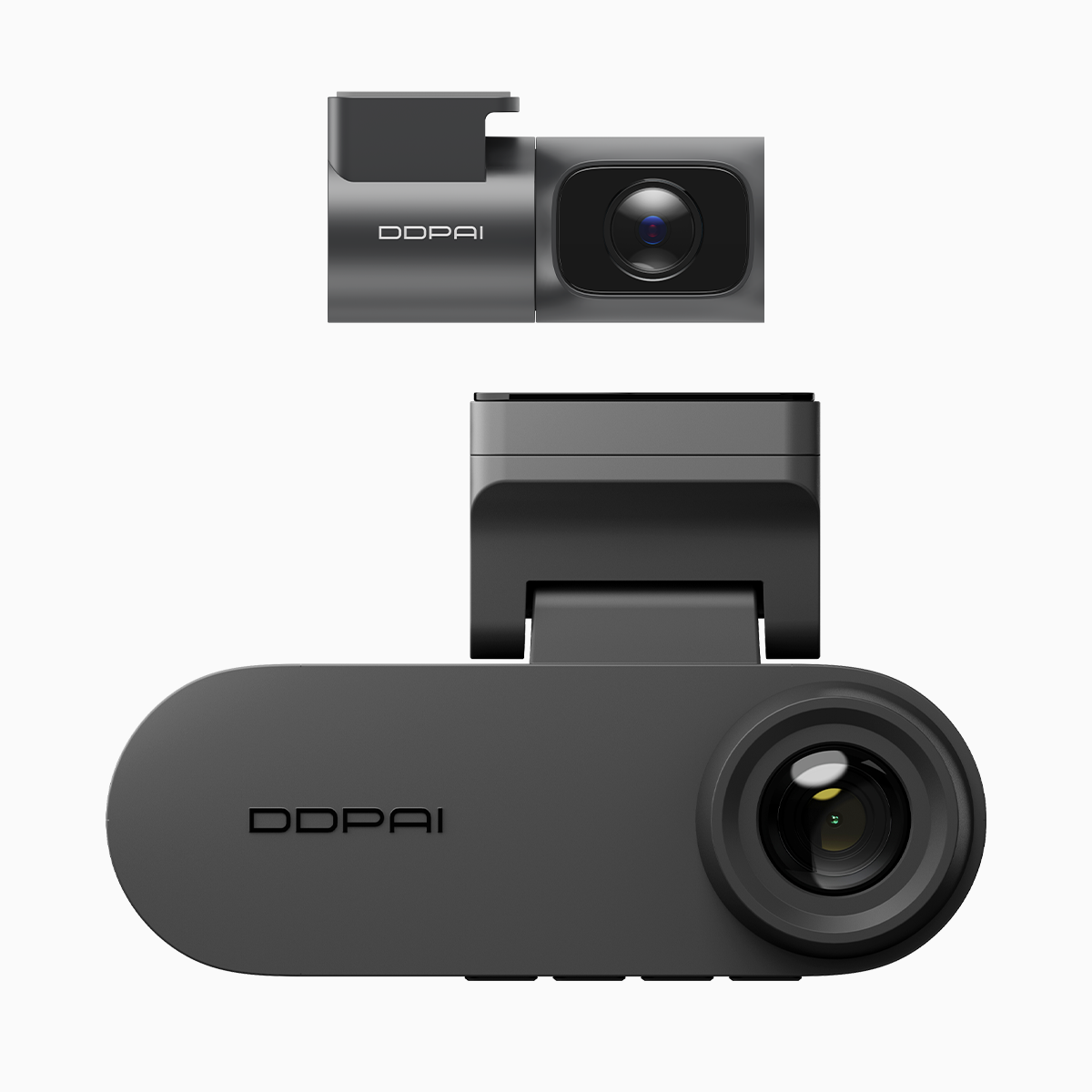
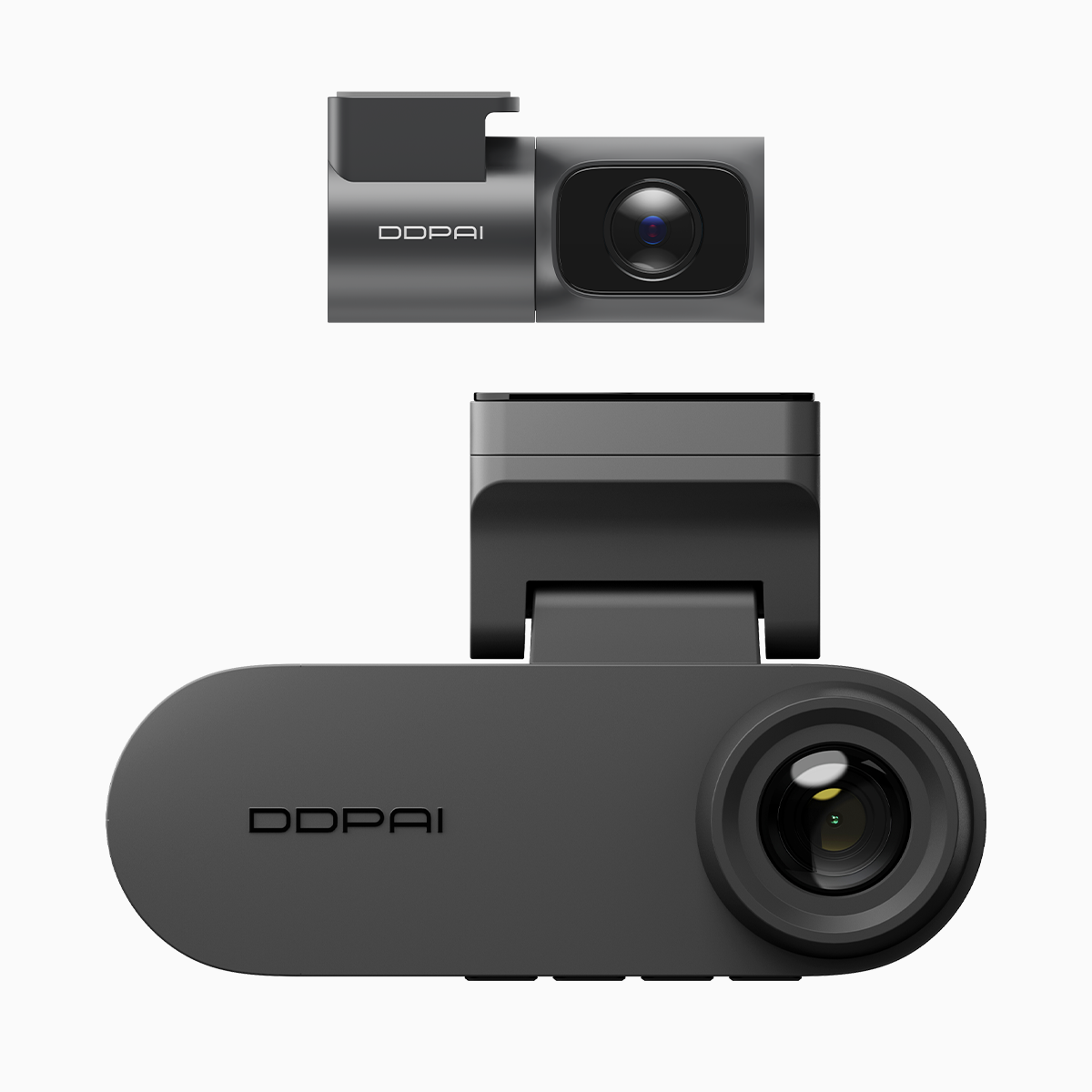
Legacy dash cams often rely on small CMOS sensors with limited dynamic range and minimal heat dissipation. They pack moderate bitrate and rely on basic WDR processing that blunts highlights at the expense of shadow detail. The DDPAI 3‑Way flips that script: a larger sensor, refined HDR/WDR processing, and deliberate thermal pathways. That combination preserves plate-level detail in mixed light while keeping continuous recording stable.
How the DDPAI Approach Solves Real Problems
Practically speaking, the DDPAI 3‑Way tackles glare through layered HDR and adaptive exposure that prioritize moving objects and eyes on plates. Thermal management is engineered: heat sinks, optimized firmware, and conservative bitrate scaling under peak heat prevent sudden shutdowns. During my tests a compact unit maintained steady frame rate and consistent file integrity where others faltered—no dropped minutes, no melted mounts. The device behaved like it was built to survive real-world use, not just showroom specs.
Side-by-Side Observations and Alternatives
When placed side-by-side, footage from legacy cameras showed blown highlights on oncoming headlights and smeared license plates. The DDPAI feed resolved plate characters at the same exposure point—useful for reporting or insurance claims. Alternatives exist: some cameras add mechanical filters or larger heat sinks, and a few cloud‑connected units offload processing. Those choices add cost or complexity. The DDPAI balances sensor quality, firmware HDR, and passive cooling without excessive extras—so the system is both practical and robust.
Common Installation and Usage Mistakes to Avoid
Several consistent errors accelerate glare and overheating: installing the unit behind dark tint, blocking vents with mounting brackets, or using cheap power adapters that raise operating voltage. Fixes are simple—clean windshield placement, correct angle to avoid direct headlight reflection, and a certified hardwire kit. These steps reduce thermal load and keep HDR working as intended—small changes with measurable returns.
Real-World Anchor: Night Driving in Metro Manila
Late-night drives across Metro Manila expose these design differences quickly. The region’s mixed lighting and frequent heavy traffic generate the precise glare and heat stresses that reveal weak designs. In that environment, a reliable night vision dash cam makes the difference between grainy footage and a clear, usable record. The DDPAI unit consistently produced legible night captures under those conditions—proof that design choices matter.
Three Critical Metrics for Choosing a Dash Cam
1) Dynamic range and HDR processing: prioritize cameras that resolve highlights and shadows simultaneously; that’s how you read plates in mixed light.

2) Thermal design and sustained bitrate: ensure the unit maintains frame rate under continuous use and has clear heat dissipation strategies to avoid thermal throttling.
3) Sensor size and firmware optimization: a larger sensor plus tuned firmware yields better low-light sensitivity and cleaner, more reliable files.
Final Assessment and Practical Value
For investigators—literal and practical—the comparison is straightforward: glare and overheating are solvable with balanced hardware and firmware, not gimmicks. DDPAI’s 3‑Way solution addresses both problems with clear engineering choices and sensible ergonomics. Real users in the Philippines will notice the difference in clarity and uptime, and that matters when footage must hold up. DDPAI Philippines.
—