
A quick morning scene
You roll out before sunrise, streets still cool, coffee still hot. On a v4 bike, the city feels closer, the day a touch lighter. Recent commute data shows stop-start speeds often sit under 40 km/h, yet peak merges spike fast. That split-second surge, plus smooth roll-off, can trim minutes over a week. So here’s the rub: if the bike’s power band and cooling don’t match the rhythm of real roads, are you actually faster—or just louder?
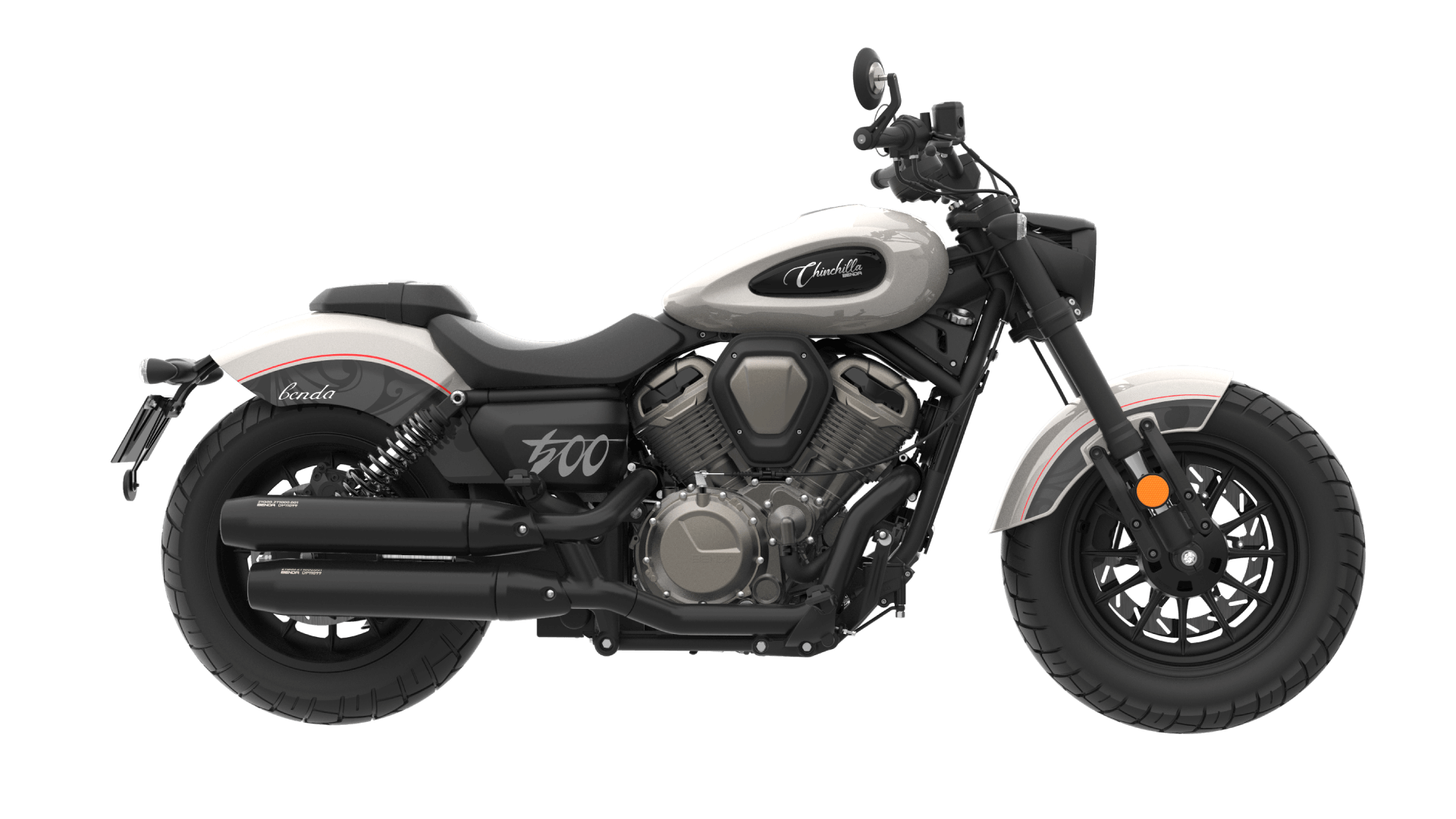
Down here, we like things no-fuss and fair dinkum. The numbers back it: consistent torque delivery and calm heat management matter more than headline kilowatts in traffic. And when your ECU mapping plays nice with modern sensors, the ride feels easy—almost quiet in your hands. Sounds simple, but is it? Let’s peel back the layers and see where v4s shine, and where they still stumble.
Under the fairing: the pain you don’t see
Where do traditional fixes fall short?
Many riders chase upgrades, but the hidden snags on v4 bikes often live in the gaps between parts, not the parts themselves. Thermal soak from slow city runs can nudge the intake temps up, softening the torque curve just when you need a clean overtake—funny how that works, right? Add in jittery low-RPM fueling, and even a well-tuned ride-by-wire can feel touchy at car-park speeds. Old-school solutions like richer fuel maps or louder pipes can mask the issue, but they often miss root causes like inconsistent ignition timing, uneven heat dissipation, or a crank balance that passes more buzz than you’d think on long drags.
Look, it’s simpler than you think. The pain points tend to cluster: heat management, low-speed throttle clarity, and real-world gearing. If the ECU mapping can’t stabilise tiny throttle inputs, you get lurch. If the cooling circuit can’t dump heat fast, you get fade. If first and second gear ratios are too tall, you get clutch slip and fatigue. These aren’t glamorous topics, but they’re fixable with smarter sensor fusion, a calmer slipper clutch, and better ducting around the radiator core. It’s the harmony, not one hero mod, that makes the difference.
Forward-looking leverage: why smarter V4s win next
What’s Next
The near term isn’t about more peak power; it’s about control logic. New ECU architectures blend six-axis IMU data with adaptive fueling so the bike holds a steady line through messy traffic. Pair that with variable valve timing and a counter-rotating crank, and midrange stays punchy without the snatch. Modern CAN bus coordination lets traction control talk faster to ABS and quickshifter modules—small messages, big calm. And yes, better duct design and fin geometry matter; they help the coolant loop shed heat before hotspots build. That’s why many riders who try motorcycles with v4 engines say the real upgrade is confidence, not just speed.

Looking a touch further, expect predictive control. The bike will pre-empt load based on gradient, throttle history, and even traffic density (no crystal ball—just good models). Power delivery will smooth out, and thermal efficiency will creep up via smarter thermostats and compact DC-DC power converters feeding the sensor suite. The takeaway from earlier sections holds: small frictions add up, yet smart integration shaves them off. Fewer heat spikes, clearer throttle, cleaner shifts. You feel fresher at the end of the ride—funny how that works, right?
Before you choose, use three simple checks: 1) Thermal strategy—radiator capacity, duct paths, and how fast the fan logic reacts. 2) Control stack—ECU features, IMU quality, and the finesse of low-RPM fueling. 3) Gearing and hardware—slipper clutch behaviour, quickshifter tuning, and whether the torque curve suits your roads. Keep it practical, keep it honest, and you’ll find a setup that rides easy. For more context on where the tech is heading, have a look at BENDA.