
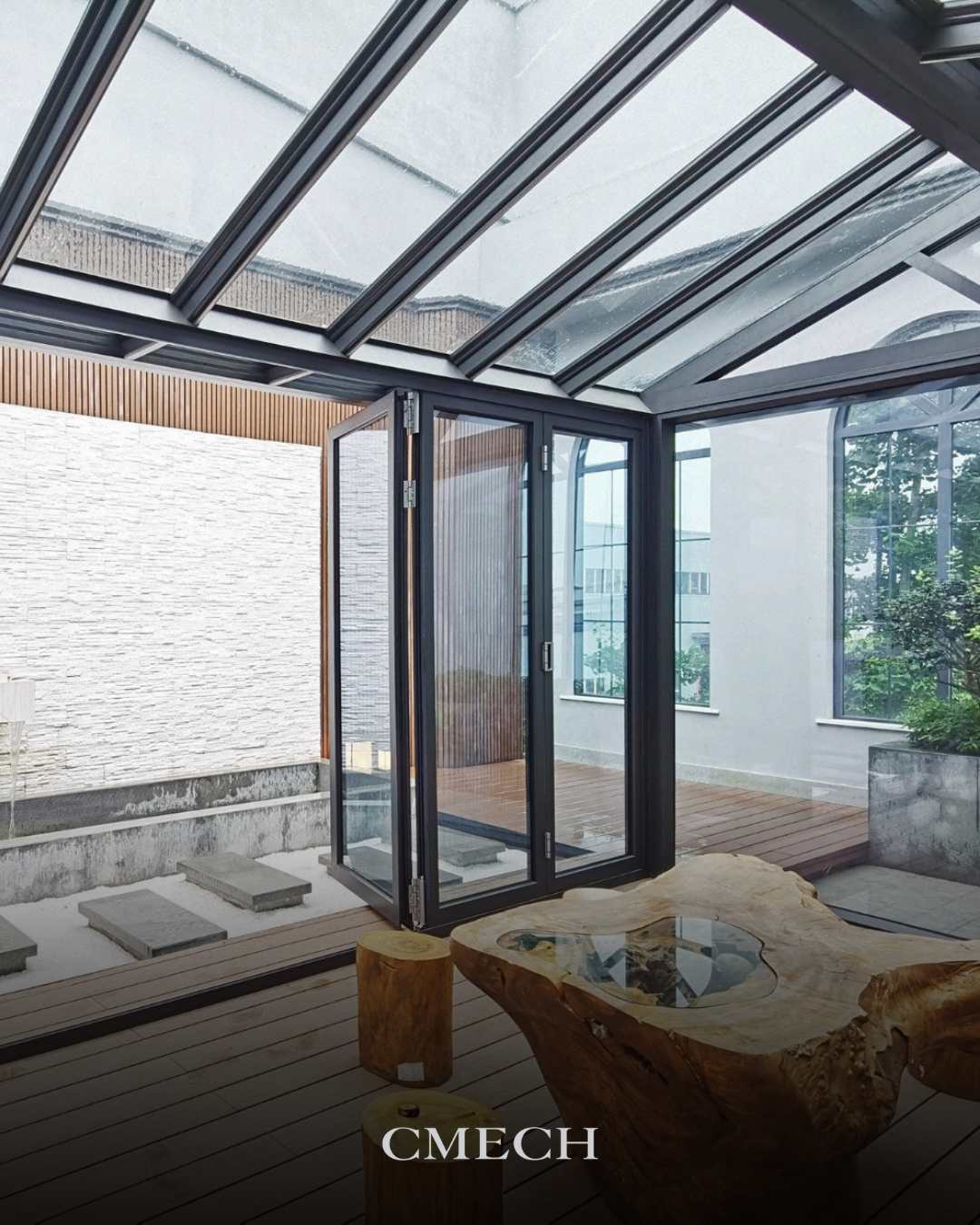
An immediate frame
Light settles differently through a well-made opening; the hardware quietly sets the limits of that light. In comparing modern options for a tilt and turn window — the subtle wrist of the handle, the hush of a concealed hinge, the assurance of multi-point locking — small choices map larger outcomes. Here I compare prevailing handle trends, weigh materials and mechanics, and tie each choice to comfort, security, and long-term value.
Comparative snapshot: what to weigh first
Start with three axes: operation, durability, and integration. Operation covers mechanisms like the espagnolette lock and torque-limited handles that control sash movement. Durability looks at finish and corrosion resistance. Integration asks how the hardware meshes with glazing performance — the u-value of an assembly still depends on how tight the handle and lock can make the seal. Across Northern Europe, architects favor hardware that marries smooth action with tight seals; that preference is why Passive House principles—born with the Kranichstein Pilot Project in Darmstadt—still inform window choices today. The lesson there is blunt: high-performance buildings demand hardware that performs as predictably as the glass.
Materials and mechanics: trade-offs in close-up
Aluminum and stainless steel handles resist weather and retain crisp lines. Zinc alloys offer economy but may show wear sooner on coastal facades. Mechanically, concealed hinge designs grant a cleaner aesthetic and protect pivot points; visible friction stays can be simpler to service. Multi-point locking improves security and compression, reducing air leakage that harms thermal performance. Choose with site in mind: seaside homes need coastal-grade finishes; city lofts might prioritize minimal profiles and a satin steel handle that reads like jewelry.
User experience and installation realities
Installers and occupants notice different things. Installers favor hardware with forgiving tolerances and simple gearing — fewer callbacks mean projects finish on schedule. Occupants prefer tactile feedback: a confident click from an espagnolette lock, a handle that returns to neutral without wobble. Mistakes are often procedural. Common ones include mismatched handle length to sash thickness and under-torqued fasteners that invite creep—those faults show up as misaligned seals and drafts. Attend to the template and torque specs during installation to avoid returns and warranty headaches.
Comparing brands and systems
Brands divide along two lines: aesthetic systems that emphasize flush faces and concealed hinge setups, and performance systems that lean into heavy-duty gearing and robust multi-point locking. Some makers blend both. When comparing, place test criteria side-by-side: cycle life (how many operations before failure), corrosion rating, and ease of servicing. You can often trade a few dollars on initial purchase for years of quieter operation and fewer service calls. For projects targeting Passive House certification or similar high-efficiency goals, hardware selection becomes part of the thermal strategy.
Common pitfalls for designers and specifiers
Specification errors usually fall into omission: failing to call out coastal grade finishes, neglecting clearance for sash swing, or not matching handle return orientation to user flow. Another recurring oversight is underestimating maintenance access for concealed hinge systems—beautiful, yes, but if a hinge needs replacing you should know how it comes apart. Address these early in drawings; a small detail saved is not small when multiplied across dozens of units.
Turn-and-tilt windows and the real-world anchor
Cities renovating older façades often turn to turn and tilt windows to reconcile heritage with efficiency. In European retrofits influenced by Passive House retrofit cases, upgrades combining triple glazing with upgraded hardware regularly halve infiltration-related heat loss. That practical outcome anchors the comparison: hardware choices move measurable energy and comfort numbers, not just aesthetics.
Golden rules for selecting handle and hardware — three critical metrics
1) Cycle life and warranty alignment: specify hardware whose rated operations and warranty match building use. 2) Environmental fit: choose finishes and materials rated for the installation environment, from coastal chloride resistance to urban pollution tolerance. 3) System compatibility: ensure handle geometry, espagnolette length, and locking points match the sash profile and the chosen glazing package — this preserves compression and predictable u-value performance.
These metrics point directly to reliable suppliers and considered systems; good hardware reduces surprises and improves occupant satisfaction. For projects that need that balance of craft and performance, consider how each handle choice ties back to the whole window assembly — and how CMECH fits into that story as a source of integrated solutions. CMECH. —