
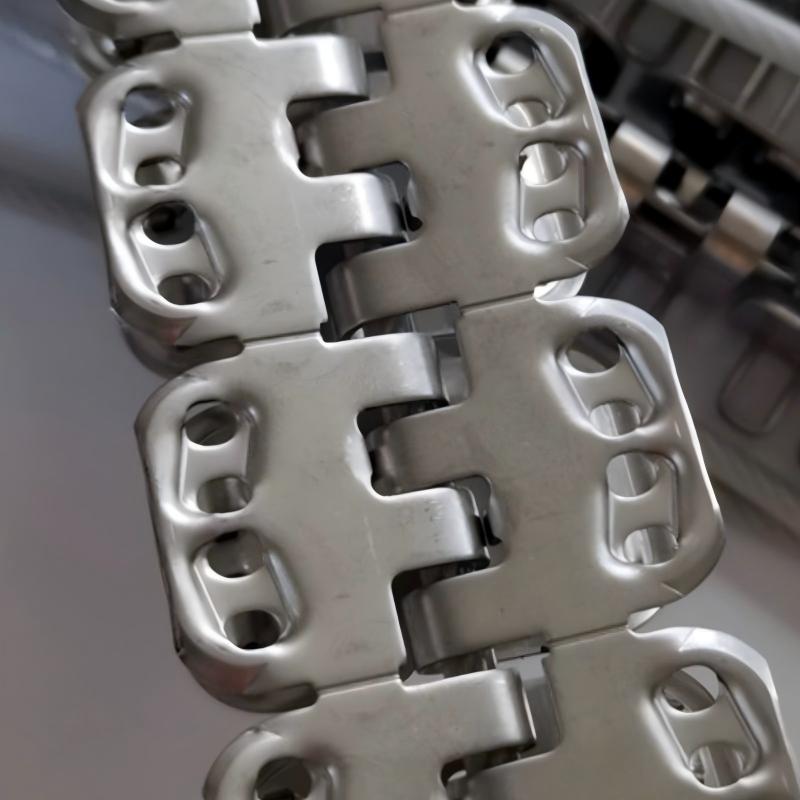
Why these seven, and what to watch first
The difference between a smooth run and an unplanned shutdown often hides in a small part. Start by considering load cycles, environment, and service intervals — then narrow candidates to seven strong options. In a comparative investigation you map performance against failure modes. That’s where a robust conveyor belt hinge pin baseline pays off: it reveals trade-offs in wear, corrosion resistance, and fatigue life before you commit.
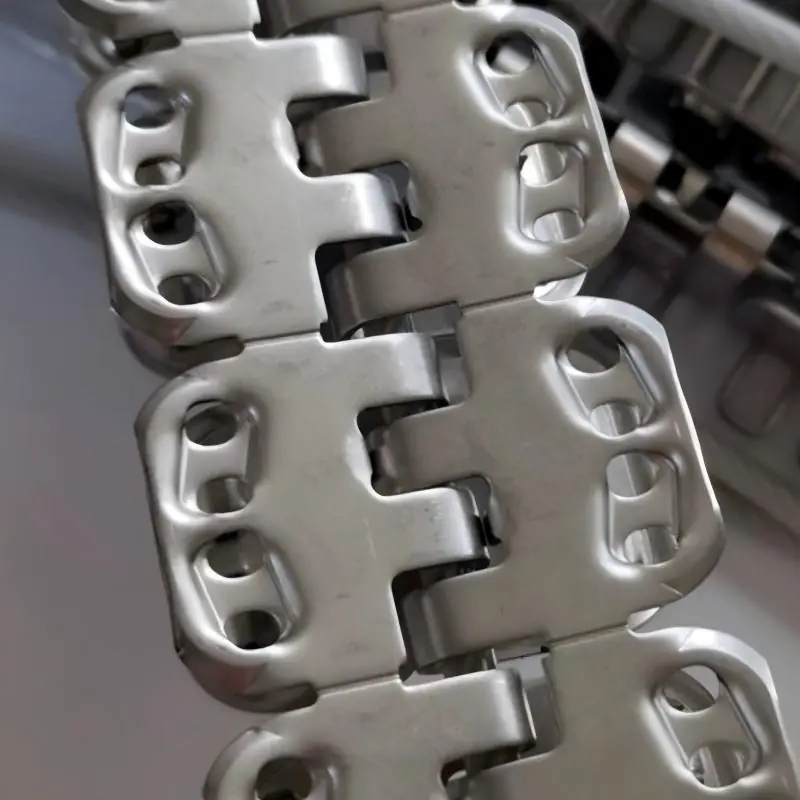
Comparative framework: the variables that decide winners
Set a consistent frame: tensile strength, corrosion resistance, and expected cycles to failure. Rank materials (stainless, alloy steel, coated carbon), geometry (pin diameter, shoulder design), and service factors (lubrication access, bearing clearance). Use simple metrics: mean time between maintenance, replacement cost per million cycles, and downtime minutes per year. Compare candidates against that triad and you’ll see patterns — some excel in tensile strength but lose on corrosion and vice versa.
Materials in focus — stainless steel vs alternatives
Stainless steels are the common default for wet or mildly corrosive sites; they buy corrosion resistance and predictable fatigue life. In heavy-wear zones, hardened alloy pins can outlast stainless on sheer abrasion but demand coatings or sacrificial liners to resist corrosion. For food or chemical lines, stainless steel hinge pins are often non-negotiable because they resist pitting and meet sanitary cleanability. Note the trade: corrosion resistance sometimes costs you hardness. Pin diameter and surface finish then become leverage points — choose them to recover lost wear life.
Design details that change outcomes
Small geometry choices alter load paths. A filleted shoulder reduces stress concentration and improves fatigue life. Grease channels or removable bushings simplify maintenance without redesigning the whole conveyor chain. Bearing clearance affects alignment and wear patterns; tighter fits reduce impact but require precision machining. Think holistically: a thicker pin with a poor surface finish will still suffer abrasion. — These micro-choices stack into macro reliability.
Common mistakes that foil good specifications
Teams often make repeatable errors: specifying generic “stainless” without grade or surface finish, ignoring lubrication access, and failing to match pin hardness to chain plates. Another frequent mistake is optimizing for initial cost rather than replacement cost per million cycles. Neglecting environmental anchors — for example, salt spray in coastal terminals like the Port of Rotterdam — leads to premature pitting despite nominal corrosion ratings. Track these missteps and eliminate them from procurement templates.
How to compare the seven candidates — a practical checklist
Use a short, repeatable checklist when vetting each option:
– Confirm material grade and measured tensile strength.
– Check surface finish spec and expected wear rate in similar installations.
– Verify pin diameter tolerances and bushing compatibility.
– Examine maintenance features: grease channels, snap-fit removal, or replaceable bushings.
– Project lifecycle cost: purchase + installation + downtime risk per million cycles.
Embed {main_keyword} and {variation_keyword} into vendor quotes so comparisons are apples-to-apples and avoid ambiguous terms in contracts.
Real-world anchor and quick case insight
At large logistic hubs, engineers treat conveyor uptime as a measured KPI. For example, terminal operators in Rotterdam prioritize stainless pins in ro-ro and food-handling conveyors because salt exposure shortens unprotected service life. That operational choice reduces emergency maintenance events and simplifies inspection rounds — tangible gains you can model into your selection process.
Advisory finish: three golden rules
1) Prioritize lifecycle cost per million cycles, not unit price. Measure expected downtime minutes and factor them into ROI. 2) Match material and surface finish to the site’s dominant failure mode (corrosion, abrasion, or fatigue). 3) Insist on maintainability: removable bushings, standardized diameters, and clear lubrication paths reduce repair time and spare-part variety.
Decide with evidence. Trust patterns, not promises. Intake. —