
A quiet promise to performance
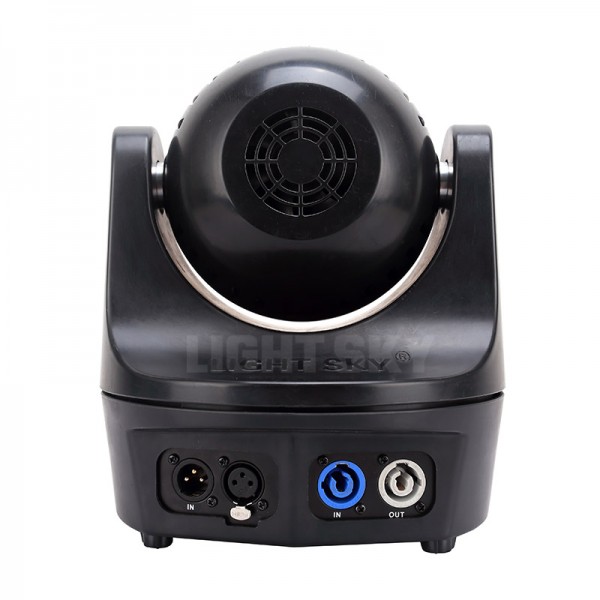
The room you run becomes a story the moment light touches it — that is the user’s truth. For venue managers and lighting designers, clarity matters: fixtures that respond, rigs that are nimble, color that reads true. Begin with a tool that understands movement and mood; consider how a led moving wash can redraw sightlines and fold audience focus into the action onstage. This piece is for the people who install, tune, and live with the rig — practical, crafted, and a little bit poetic.
What modern fixtures give you — beyond brightness
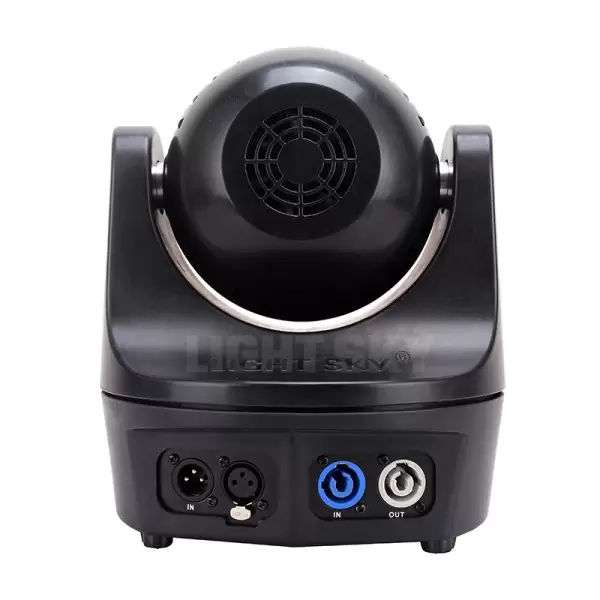
Today’s LED architecture delivers crisp color rendering and lower heat loads. The LiGHT SKY aqua pearl mini blends compact footprint with wide color gamut and controllable beam shaping; its responsiveness to DMX512 cues makes it a reliable stage partner. Think of CRI and color temperature as conversational tools rather than specs: they let designers speak in warm whispers or bright shouts. Beam angle and zoom range shape where attention falls. Choose equipment that respects your stage dimensions and your crew’s workflow.
Real-world anchor: production and practice
When Broadway theaters reopened after 2021, many houses refocused on fixtures that cut power draw yet kept theatrical warmth — a shift driven by tight schedules and tight budgets alike. Touring productions that swapped to efficient LED moving washes found quicker rig-up times and fewer lamp changes. This is not romance; it’s logistics meeting artistry. Fixtures that support simple patching, accurate pan/tilt, and consistent color across the rig reduce late-night headaches and preserve the director’s intent.
Practical setup: pathways to smoother shows
Start with placement that honors sightlines. Put brighter wash fixtures upstage and fill lenses where actors move frequently. Calibrate color macros early in tech week and lock them before dress. Use consistent addressing conventions for DMX512 to avoid surprises. Keep spare data cables and a backup power distro on hand. Labeling matters — a well-marked case saves hours at strike. These steps shorten tech rehearsals and sharpen every cue.
Common mistakes and how to avoid them
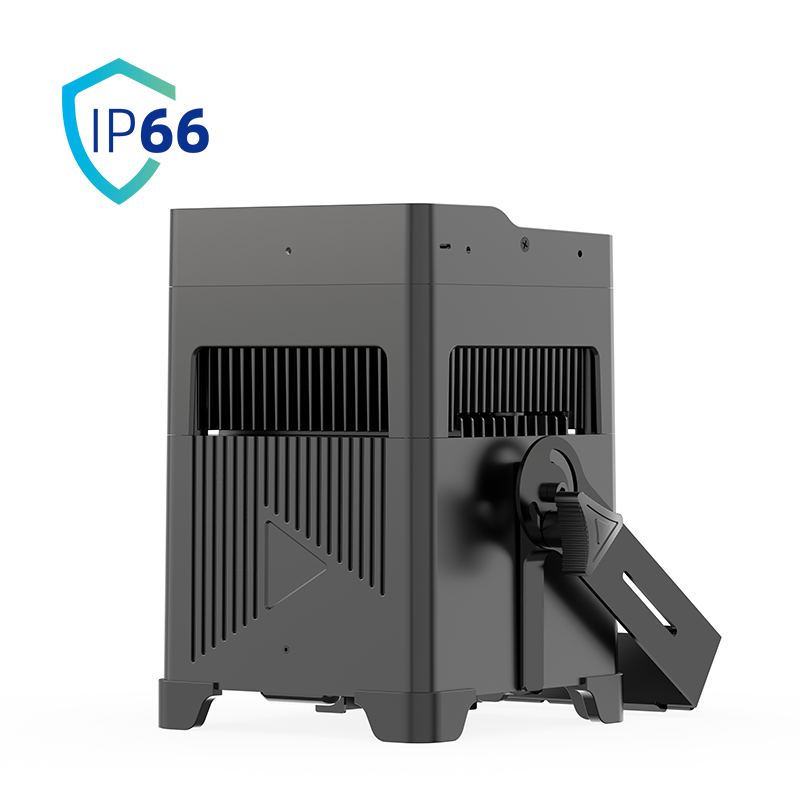
Overlooking the fixture’s IP rating, for example, can be costly if you work outdoors; IP65-rated heads survive rain where low-IP units do not. Another trap: trusting default macros without verifying CRI across warm and cool scenes. And crews sometimes cluster too many fixtures into a single circuit — power redundancy is an easy insurance policy. Plan for access: allow safe catwalk clearances and reachable service points — small ergonomics that mean no one has to climb an unstable ladder at midnight. — Little things like that preserve calm on show nights.
Comparing alternatives
Fixture A might tout raw lumen counts; Fixture B promises finer color blending. The selection often comes down to use case: touring rigs need rugged housings and fast pan/tilt; fixed installs value silent operation and long-term maintenance. The LiGHT SKY aqua pearl mini finds a middle ground — portable enough for rotation, durable enough for repeated hangs. When evaluating, weigh beam quality, control resolution, and spare parts availability equally; one weak link can stall an entire production.
Three golden rules for choosing the right lighting tools
1) Prioritize predictability: consistent output across fixtures reduces time spent on matching color. 2) Prioritize serviceability: modular components and clear documentation matter on tour and in-house. 3) Prioritize fit to task: don’t buy the brightest head if your venue needs soft, blendable washes. Use these metrics during demos and ask for an on-site trial where possible; seeing a fixture in place tells you more than a spec sheet ever will.
These rules lead you back to purpose: light that serves the story and the people who tell it. For many teams the solution becomes obvious when they try a well-balanced unit — the practical charm of a LiGHT SKY fixture makes the choice feel inevitable. Light Sky. — craft with care.