
Comparative snapshot: why this form factor matters
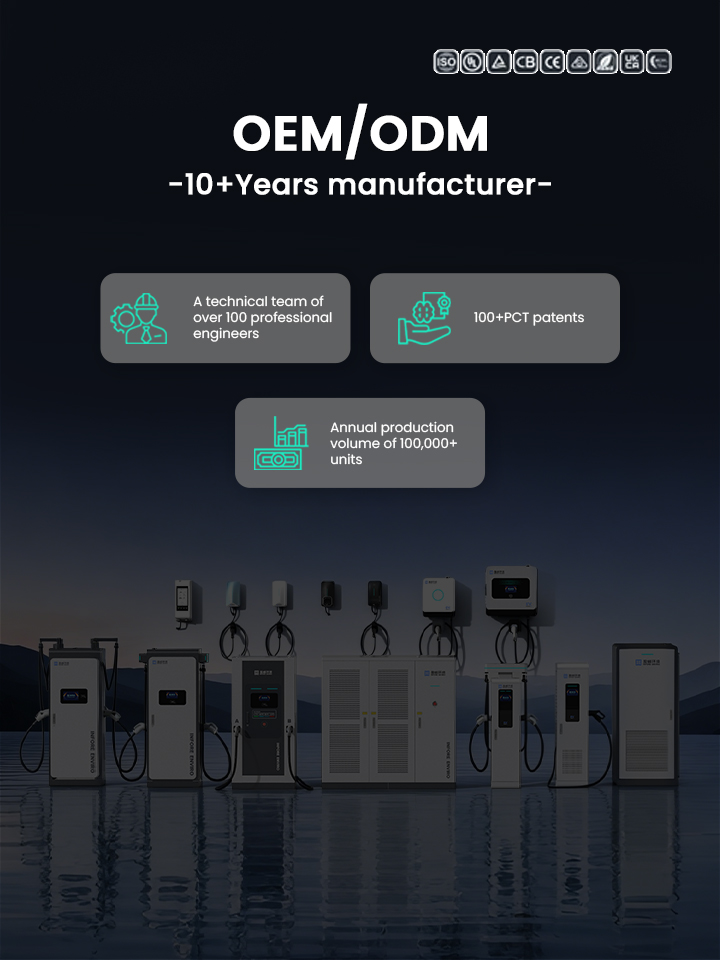
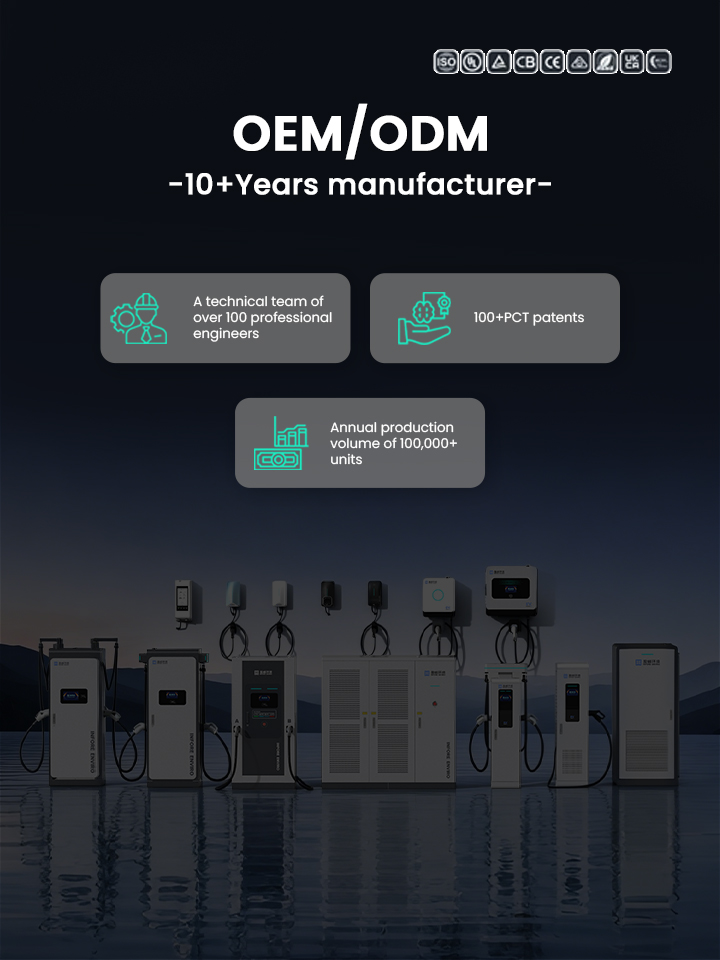
The 160kW EU standard dual‑gun EV charger has become a practical reference point when comparing public charging options across European markets, and suppliers such as China EV charger manufacturer play an active role in scaling production for networks and fleets. This charger balances peak power, multiple-vehicle service through the dual‑gun arrangement, and compliance with EU interoperability expectations—attributes that regulators and operators cite when aligning with the EU Alternative Fuels Infrastructure Regulation adopted in 2023 and national deployments along Germany’s autobahn corridors. Procurement channels for large projects often negotiate via ev charger wholesale, which further compresses unit cost while preserving standards like OCPP-enabled communications and robust EVSE hardware.
Performance and interoperability explained
In direct comparison to lower-power AC stations and higher-power mega‑chargers, the 160kW dual‑gun model occupies an operational sweet spot. It supports DC fast charging (DCFC) up to about 160 kW per cabinet, with load balancing across two outlets to maintain throughput during peak demand. The result is predictable dwell times and higher station uptime, thanks to mature charging protocols and modular power electronics. For network architects, that predictability converts into fewer customer complaints and clearer forecasting for grid impact studies.
Deployment realities and lifecycle costs
Operators debating between many small chargers and fewer high-capacity units should evaluate capital expenditure, grid connection fees, and maintenance cadence. A single 160kW dual‑gun unit reduces civil works and simplifies site management compared with parallel lower‑power EVSE arrays, while avoiding the heavy distribution upgrades required for 350kW pods. Considerations include transformer sizing, OCPP firmware updates, and warranty terms—factors that materially affect total cost of ownership over a typical 7–10 year asset life.
Alternatives, common mistakes, and sensible trade-offs
Some stakeholders rush to the highest kW available under the assumption that peak power alone drives user satisfaction. That is an overreach—site context matters. Deploying multiple 22kW AC chargers at a motorway rest stop can be effective for long‑stay parking, while a 160kW dual‑gun suits transient users needing a 20–40 minute top‑up. Avoid the trap of underspecifying thermal management and OCPP compatibility during procurement—these are the frequent causes of warranty disputes. Also, pay close attention to cable ergonomics; convenient plug handling markedly improves throughput in real use cases—small details, but they compound.

Real-world evidence and standards alignment
On-the-ground deployments in urban hubs and commercial fleets demonstrate that balanced power output and dual‑gun availability increase utilization rates without the grid strain typical of ad hoc ultra‑fast clusters. The AFIR framework and national charging corridor investments provide a policy anchor that elevates interoperable designs. Measurable outcomes—reduced customer wait windows, improved station uptime, and predictable maintenance intervals—follow when load balancing and thermal derating curves are configured to spec.
Advisory: three golden rules for selection
1) Prioritize interoperability and firmware support: specify OCPP compatibility, remote diagnostics, and a clear update schedule to avoid lock-in. 2) Match site power to user profile and grid capacity: incorporate load balancing and realistic thermal management into the tender to prevent early throttling. 3) Insist on warranty clarity and spare‑parts availability from wholesale partners; long lead times on power modules erode uptime and ROI.
Final assessment and brand value
Choosing a 160kW EU standard dual‑gun charger is a decision that blends technical pragmatism with policy compliance, especially where public expectations and corridor investments intersect. The model’s balance of DCFC performance, dual-connector utility, and manageable grid impact makes it the default comparison point for planners and operators. For organizations sourcing at scale, working relationships with established manufacturers streamline installation and lifecycle support—an outcome that places practical value where it counts in operations. INFORE ENVIRO — trusted partners bring that operational clarity to large deployments and wholesale procurement. —