
Introduction — a quiet question to start
Have you ever paused mid-brush and wondered if the gritty feel is really necessary for clean teeth? Oral Care Silica sits at the center of that little dilemma: manufacturers rely on it for cleaning power and opacity, yet consumers complain about texture (and yes, texture matters). Recent lab data shows small changes in particle size can shift abrasion index and paste rheology by measurable margins — so what balance should we aim for?
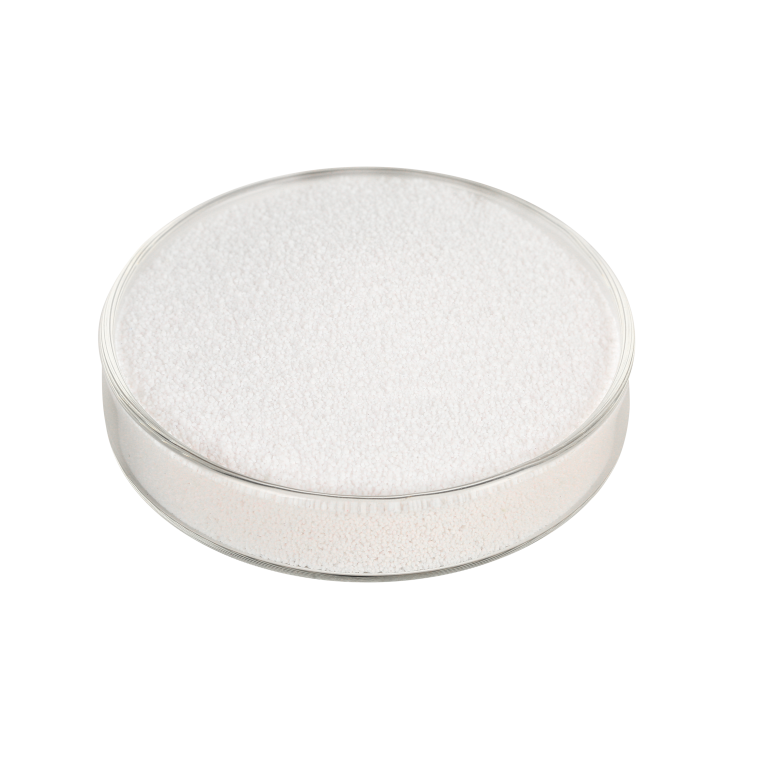
I ask this because I’ve spent time with formulators and lab techs who wrestle with particle size distribution and surface area daily. They tell me that simple tweaks can improve mouthfeel without losing cleaning efficacy — but the trade-offs are subtle. So let’s peel that layer back slowly and see what really matters next.
Why traditional fixes for toothpaste raw materials fall short
toothpaste raw materials often get treated as interchangeable ingredients: swap one silica for another and expect the paste to behave the same. In reality, that’s not how it works. Particle size distribution, surface treatment, and specific surface area change how abrasives interact with enamel and with binders. When companies chase lower cost by selecting a coarser or cheaper silica, they may lower material cost but hike up abrasiveness or ruin thixotropy — and consumers notice (Look, it’s simpler than you think).
Directly speaking: many classic fixes ignore formulation dynamics. Manufacturers compensate for poor silica by adding more binders or changing surfactants. That creates secondary issues — altered foam, separation, or unstable viscosity. I’ve seen small-batch trials where a cheaper silica led to a stable-looking paste in the short run but failed shelf stability tests later. The pain points are real: inconsistent mouthfeel, variable polishing, and reformulation costs. — funny how that works, right?
Is the core problem material or mindset?
I lean toward both. Materials matter technically; mindset drives choices operationally.
New principles to guide better silica choices
Looking ahead, I find that focusing on material science principles gives clearer outcomes than guesswork. For toothpaste formulators, thinking in terms of controlled particle morphology and surface treatment — not just nominal grade — changes the game. When we consider how surface treatment affects hydrophilicity, or how porosity influences oil uptake and binder interaction, we can predict performance instead of react to complaints. In practice, that means selecting silica with defined particle size distribution and known surface chemistry, then validating through abrasion index and rheology tests.
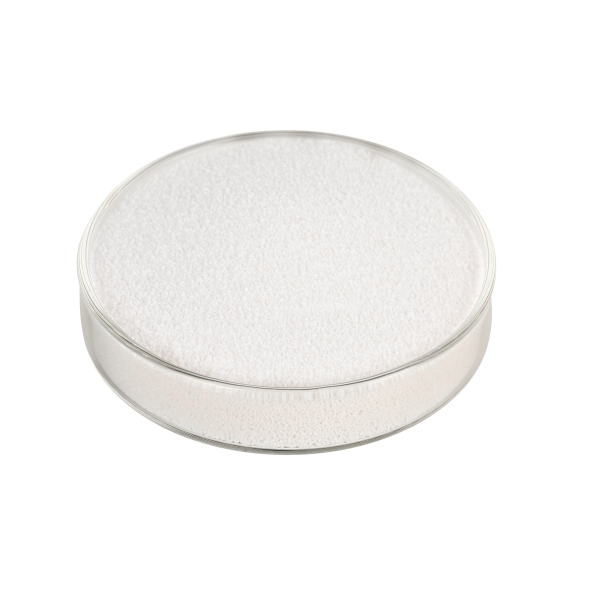
What’s next? Start small: run comparative batches, measure polishing vs. enamel wear, track consumer feedback, and iterate. In one case I observed, switching to a tailored silica reduced perceived grit while maintaining stain removal — measurable by lower enamel abrasion and equal stain delta E. It required upfront testing, yes — but the payoff was steadier shelf performance and fewer consumer returns. Consider metrics like abrasion index, particle size distribution, and thixotropy as your guiding stars — they tell you if a swap will help or hurt. — and keep an open feedback loop with your lab and quality team.
Three practical metrics to evaluate options
1) Abrasion index: does the silica remove stain without risking enamel? 2) Particle size distribution: are you avoiding a broad tail that causes grit spikes? 3) Rheology and thixotropy: will the paste feel smooth under shear yet hold shape on the brush?
I trust these measures because they link lab data to human perception. They aren’t guesses — they’re testable, repeatable, and actionable. For teams looking to refine formulations, these metrics cut through marketing claims and focus on real outcomes.
In closing, I’ve learned to value measured experimentation over quick swaps. When we treat toothpaste raw materials as engineered components rather than commodities, we get better texture, consistent cleaning, and fewer surprises on the production line. If you’re evaluating suppliers or tweaking a formula, use the three metrics above and insist on clarity about particle morphology and surface treatment. For practical sourcing and technical partnership, I recommend checking resources like JSJ — they helped my team think more critically about material choices.