
Introduction
Why do so many shops still accept 80% efficiency like it’s normal? I ask you—have you seen the bills? In one wet morning on the shop floor I watched a small fan motor draw more current than it should; that little scene showed me how an electric motor can quietly blow up your operating costs. (We count hours, we count heat, we count lost days.) The data are blunt: many industrial motors run 10–30% below their nameplate efficiency under real load, and that gap eats profit. So what really causes this loss—and how do we stop it? Let’s move to the core reasons and compare real options.
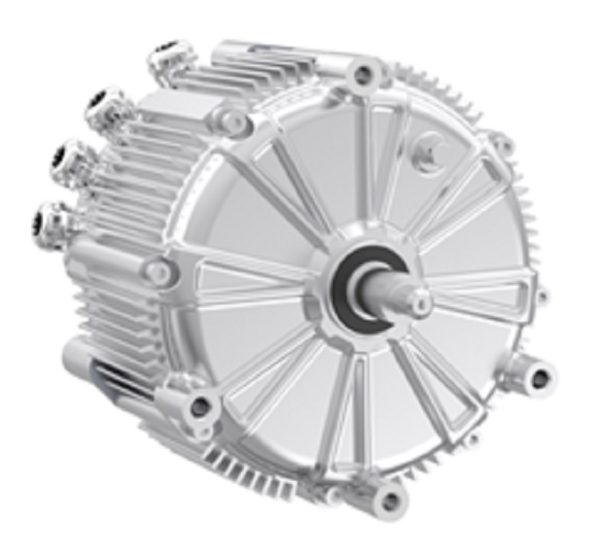
Part 2 — Deeper Look: Where Traditional Fixes Fail
electric motors often get a quick fix: varnish the winding, replace bearings, or upsized cooling. Those steps help, sure, but they dodge the root problems—mismatched load profiles, poor controller tuning, and intermittent torque ripple that keeps showing up when the drive and motor don’t speak the same language. I’ve seen teams patch a motor only to face the same noise and heat three months later. Field-oriented control can help, but only if the controller firmware is tuned to the motor’s real-world load. Power converters matter too; cheap drives pass more distortion, and that back-EMF we try to ignore still bites efficiency. Look, it’s simpler than you think: if you don’t measure the whole system, you’re guessing.
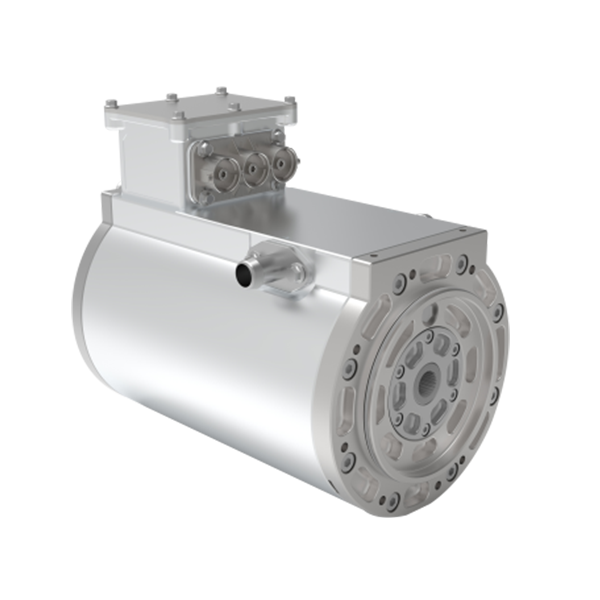
Why do these fixes keep failing?
Here’s the technical bluntness: many shops treat torque as a steady number on paper. In practice, torque varies. The wrong inverter creates harmonics. The wrong gearing adds loss. The wrong cooling lets temperature creep up and shifts the efficiency map. I get frustrated seeing repeated patterns. We need data logging, not hope. We need real load curves and a plan to match motor, drive, and gearbox. — funny how that works, right?
Part 3 — What’s Next: New Principles and Practical Choices
Looking forward, I favor two clear principles: match the machine to the load, and let control strategies do the fine work. New sensor suites and smarter controllers allow us to run a motor closer to its sweet spot more of the time. One good move is switching to designs that reduce core and copper loss at the expected duty cycle. Another is adopting tighter feedback—so the drive learns the motor’s back-EMF profile and trims current peaks. When I test systems now, I watch for torque ripple, harmonic distortion, and thermal rise. Those three tell the story fast.
Real-world impact — quick example
Take a case I worked on: swapping a generic motor and drive for a matched pair cut energy use by nearly 18% on a pump line. We also reduced vibration and maintenance calls. The device at the heart of that swap was a permanent magnet synchronous motor, paired with a better-tuned inverter. We spent time on the control parameters, logged results, and iterated. The result? Lower amps, less heat, longer bearing life — measurable gains you feel in your hands and your ledger. — and yes, I am still a bit proud of that outcome.
To wrap up, I’ll be candid: choosing the right motor system is part science, part taste, and part stubbornness. I trust measured data more than brochures. If you want a practical way forward, start with three simple checks: current waveform quality, thermal profile under real load, and torque response at duty cycle edges. These tell you where to spend time and money. If you want a partner in testing or parts, check Santroll — they make systems I’ve seen perform cleanly in hard work. I care about getting this right, because I’ve fixed the same avoidable problems more than once and I don’t like wasting hours—or energy—when a smarter choice was close at hand.