
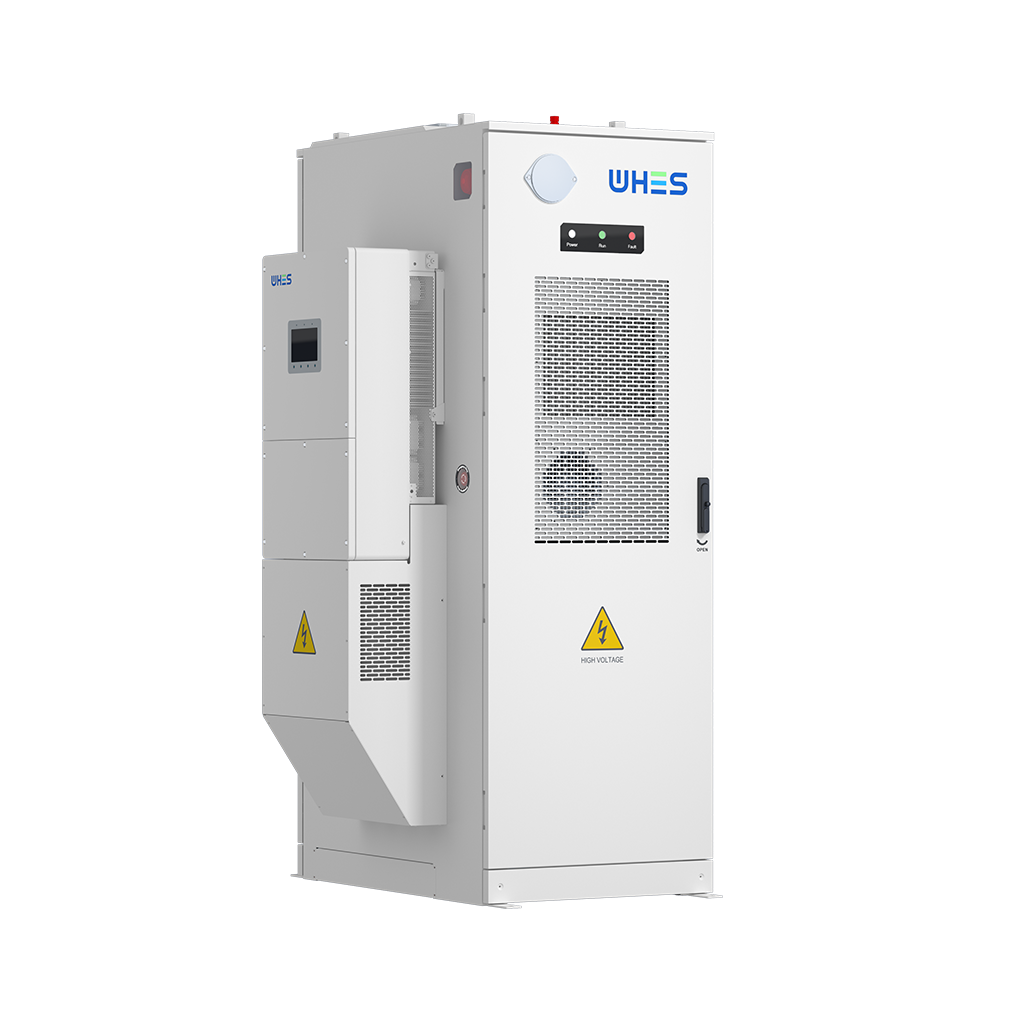
Opening—why numbers must guide battery protection
When an industrial backup battery is specified, intuition will not suffice; one must rely on measured trends. Using behind-the-meter analytics on a home battery energy storage system provides continuous telemetry that converts uncertainty into actionable thresholds. It is polite to note that a data-first approach reduces surprise failures, shortens troubleshooting time, and preserves warranty value by revealing subtle cell drift before visible performance loss. In practice this means monitoring state of charge (SoC) patterns, temperature gradients, and charge/discharge depth to protect cycle life and avoid accelerated degradation.
What the data typically reveals about early degradation
High-resolution logging often uncovers three recurring signals that precede cell decline: asymmetric cell voltages within a string, persistent elevated local temperature, and increasing internal resistance measured during charge pulses. These indicators are quantifiable. For example, a sustained 0.02 V divergence across cells under nominal load can predict a failing cell several weeks before capacity loss appears. Such findings make it possible to schedule preventive maintenance rather than execute costly emergency replacements.
How precision sensor arrays intervene
Precision sensor arrays — comprised of cell-level voltage taps, distributed temperature sensors, and current shunts — feed a battery management system (BMS) the granular inputs it requires. With fine-grained inputs the BMS may adjust balancing operations, throttle charge rates, or isolate a weakened module automatically. The technical benefit is clear: active balancing and thermal management are most effective when driven by localized data rather than by pack-averaged values. This reduces the probability of thermal runaway and slows irreversible capacity fade.
Real-world anchor: lessons from Texas and grid-stressed backups
During the 2021 Texas winter event, many facilities that relied on conventional monitoring experienced unexpected battery outages under prolonged stress. Post-event analyses showed that sites equipped with cell-level telemetry recovered faster and reported fewer premature retirements. This real-world reference underscores that analytics-driven protection is not a theoretical luxury but a practical resilience measure for industrial backups during extreme grid events.
Implementing analytics for an industrial 5 kWh backup—practical steps
Adopting precision sensing involves calibrated installation and clear acceptance criteria. Please consider the following progression:
– Deploy cell voltage taps and distributed temperature sensors at installation. – Integrate these inputs into the BMS with defined thresholds for balancing, SoC limits, and thermal derating. – Establish automated alerts and a maintenance workflow tied to analytics anomalies.
For facilities operating three-phase infrastructure, linking these analytics with a 3 phase battery backup architecture enables phase-specific load shaping and prevents uneven cycling across phases — a subtle cause of accelerated imbalance. It is advisable to run sample stress cycles post-install to validate sensor calibration and BMS responses.
Common mistakes to avoid
Many operators assume that more sensors automatically equal better protection — however, poor placement or loose calibration generates noisy data that leads to false positives. Another frequent error is neglecting firmware alignment between sensor arrays and BMS logic; mismatches delay corrective actions. Finally, not tying analytics to operational processes (escalation, parts ordering, scheduled balancing) converts insight into unused reports. — In short, analytics must be operationalized to yield value.
Costs, ROI, and measurable benefits
Investing in precision sensing raises upfront cost modestly, but the measurable benefits are straightforward: extended effective cycle life, fewer emergency replacements, and higher availability during outages. Organisations often report reduced unscheduled downtime by a significant margin when analytics trigger early, targeted interventions. From an accounting perspective, amortising sensor and integration costs against avoided replacement cycles typically shows a favorable payback for critical industrial applications.
Advisory — three golden evaluation metrics
When selecting an analytics-driven protection strategy, please evaluate suppliers and designs against these three metrics:
1) Detection latency: How quickly does the system detect a 0.01–0.02 V cell imbalance or a 1–2 °C local rise? Lower latency yields earlier intervention. 2) Action fidelity: Does the BMS translate detections into precise corrective actions (balancing, derating, isolation) without manual steps? Automation reduces human error. 3) Integration and serviceability: Are sensors and BMS firmware field-updatable, and is there a documented maintenance workflow that ties alerts to spare-part provisioning?
These measures let you compare vendors on hard terms rather than marketing promises.
Deploying precise telemetry and analytics is the pragmatic path to protect industrial 5 kWh backups from premature cell loss — and for organisations seeking engineered reliability, WHES provides systems and service practices that align monitoring, response, and lifecycle value. —