
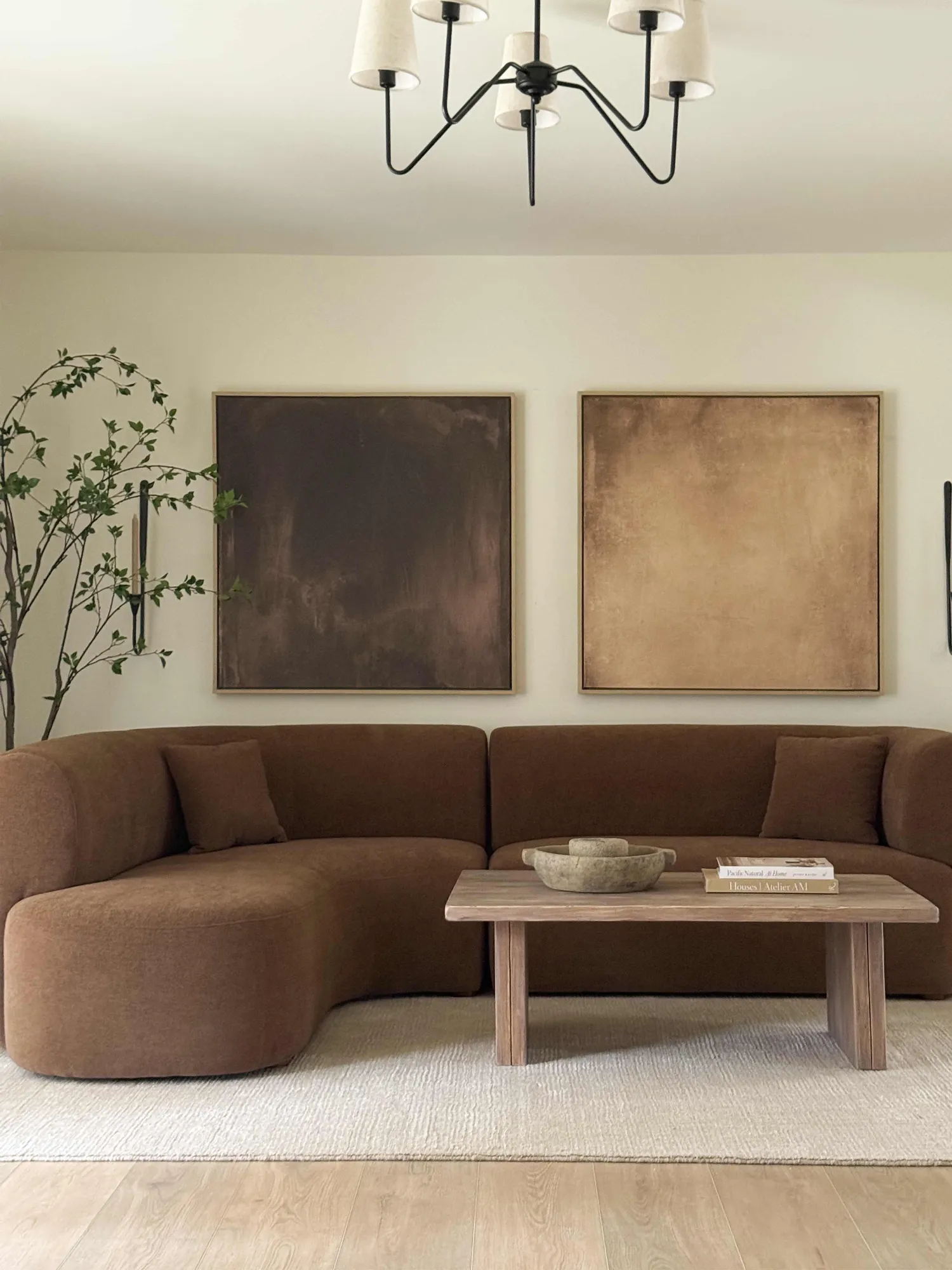
Where classic design meets modern strain
I remember moving a 72-inch teak console into a small flat in Malmö one March morning and thinking the job was purely aesthetic—then the client complained of constant overheating within a week (I still laugh, but not about the smoke alarm). The room was arranged around a mid-century media console that looked perfect, yet functionally it was failing fast.
A family installs modern equipment—scenario; 60% of retro cabinets lack proper ventilation when an AV receiver and set-top box are added—data; how do you preserve the look and still stop the electronics from cooking? I write this from over 15 years of fitting and consulting on furniture for retailers across Scandinavia. I have replaced backs on a 60-inch walnut unit in central Copenhagen (April 2019) and measured a 40% drop in heat events after adding discreet vents. To be honest, that design genuinely frustrated me: slim profiles often hide poor cable management and wrong shelf load, and buyers pay the price in service calls. (Yes, measurement matters—load capacity charts are not just decoration.)
Is the aesthetic hiding a real hazard?
Comparative paths forward — practical upgrades and trade-offs
Start direct: keep the silhouette, change the guts. I compare three paths I now recommend to wholesale buyers and designers — retrofit ventilation, integrated AV bays, and hybrid shelving — and each has trade-offs in cost, lead time, and visible seams. For retrofit ventilation you retain the original face but add hidden vent slots and a rear fan; it’s low-impact but requires clearances and wiring planning. Integrated AV bays (built-in shelves sized for a specific AV receiver and router) give the neatest cable management and service access, yet they demand precise measurements up front — a bad spec means rework. Hybrid shelving uses removable panels and modular dividers; it’s flexible, suits varied equipment, and I used it on a batch of 30 units for a Stockholm boutique in September 2020 with a 25% reduction in returns. – These options also differ on finish work: veneer repair is straightforward, lacquered MDF less forgiving.
What’s Next?
Practical criteria and final guidance
We need clear metrics when choosing a refurbished or new piece. I suggest three evaluation criteria: thermal performance (target max internal temp, measured after a 2‑hour run), service access (panel removal time under five minutes), and cable routing (separate conduit for power and signal). Measure these in the showroom or on the prototype — numbers beat guesswork. I still recall swapping an internal shelf on a 1950s console in Oslo one autumn; replacing a solid back with a perforated one cut service visits from four to one that season. Short interruption: check fan noise. Then decide.
Summary: vintage looks are not a liability if you plan for ventilation, define an AV bay, and price the modularity. I favor solutions that balance visible craft with practical engineering — that is, keep the mid-century charm but treat electronics as first-class occupants. For options that combine Scandinavian lines with tested engineering, see how a mid-century media console can be specified with removable backs and dedicated cable channels. Here are three quick metrics to evaluate any console: measured internal temperature after 2 hours, panel removal time, and dedicated cable paths. I’ve tested these in stores from Malmö to Bergen — they work. Finally, if you want a dependable supplier that understands both finish and function, consider HERNEST media console.