
Comparative opening: why this matters now
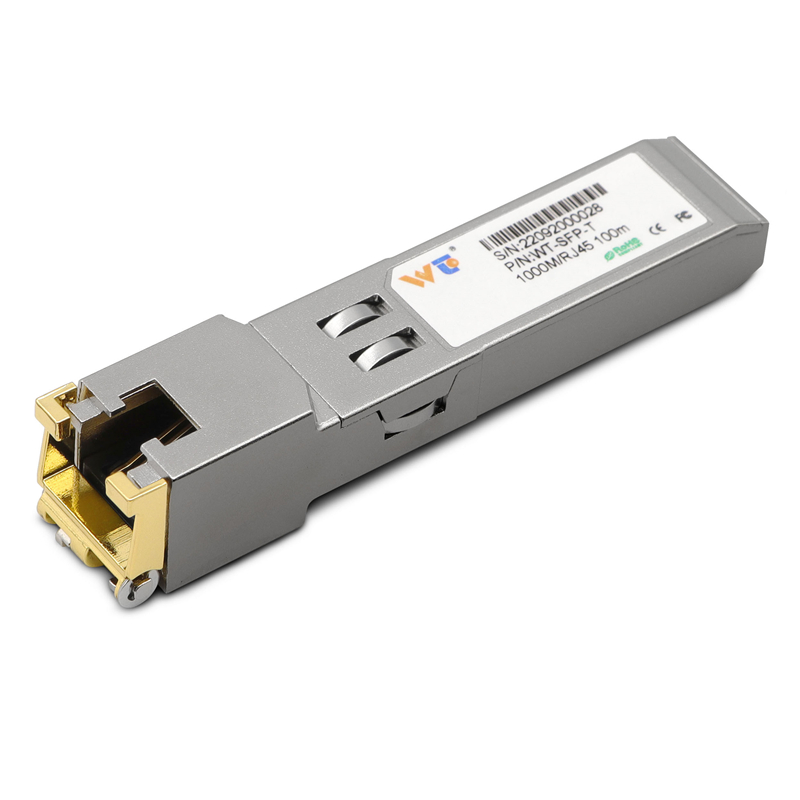
Adopting SFP modules forces a choice: standard-compliant optics that promise broad interoperability or proprietary-coded hardware that ties ports and management systems to a single vendor. The trade-offs are concrete — procurement simplicity and guaranteed support versus competitive pricing and modularity. For networks that must bridge fiber and copper, a tested alternative is the sfp to rj45 transceiver, which illustrates how physical form factors interact with firmware and EEPROM-level vendor IDs.
Technical contrast: what manufacturers standardize and what they don’t
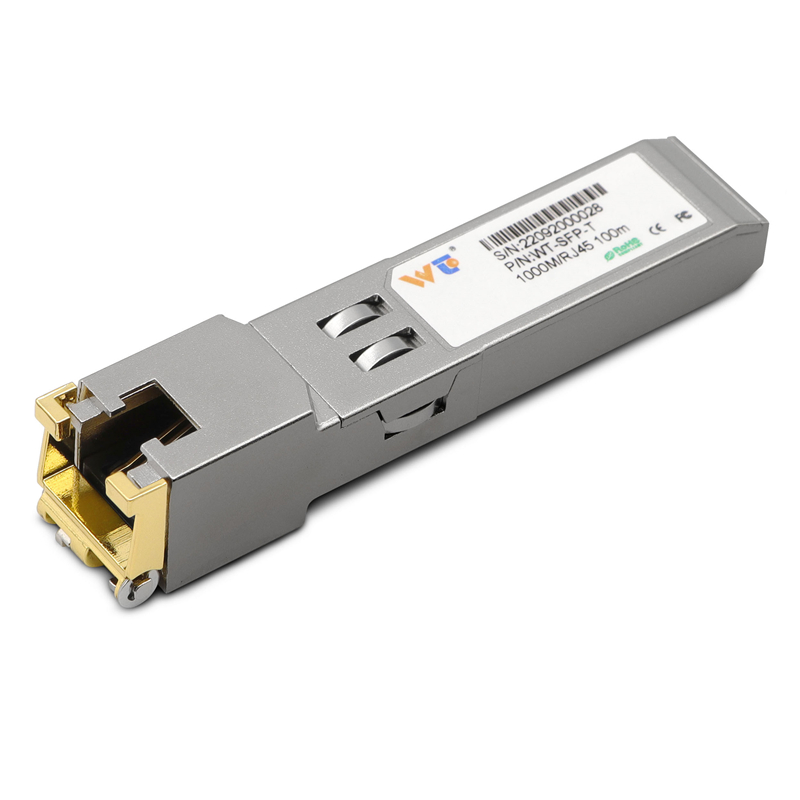
Open SFP specifications define a set of fields in the module EEPROM (vendor name, part number, supported speeds, DOM availability). Many vendors adhere to those fields, enabling straightforward hot-swap and link training with a compliant PHY. By contrast, proprietary implementations embed vendor signatures and custom MDIO registers that block third-party modules at the boot phase. The result is not merely an interoperability gap — it’s an operational constraint affecting inventory, spare-parts strategy, and automation scripts.
Operational impact: cost, risk, and lifecycle management
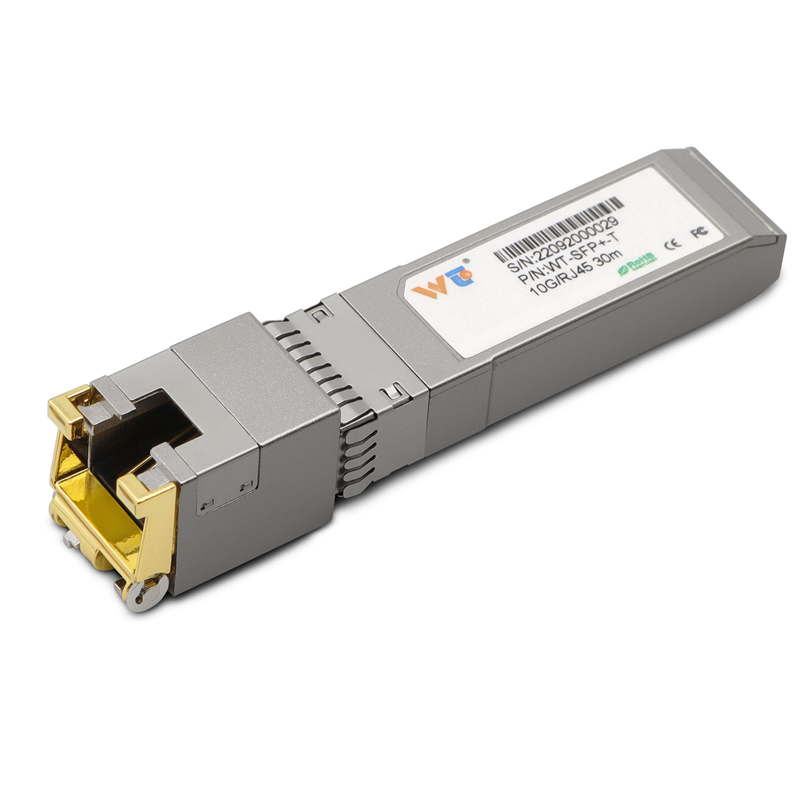
From a balance-sheet perspective, proprietary coding increases total cost of ownership. You pay a premium for vendor-branded spares and face longer lead times for replacements. Risk is practical: a single supplier outage can halt provisioning across racks in an Ashburn data center where many carriers colocate critical infrastructure. Real-world anchors like the concentration of hyperscale facilities in Northern Virginia show how local supply friction amplifies the stakes for procurement decisions.
Interoperability mechanics and common failure modes
In daily operations, failures usually trace to two layers: physical interface mismatch (incorrect module type or inconsistent pinouts) and firmware-level rejection (EEPROM signature checks). Troubleshooting often requires a console-level capture, reading the SFP EEPROM fields and verifying DOM telemetry if available — voltages, temperature, and laser bias. Common mistakes include assuming every copper SFP supports all switch MAC tables or relying solely on vendor software to validate link integrity — an assumption that increases mean time to repair.
Alternatives, mitigations, and procurement tactics
Organizations confront four practical options: insist on open-standard SFPs, buy vendor-certified third-party modules, use line cards with open firmware, or accept proprietary lock-in for bundled services. Each path has trade-offs. Certified third-party copper SFPs can lower cost while preserving warranty compliance; open firmware requires engineering resources; and bundled vendor solutions often simplify firmware updates and DOM diagnostics. A balanced approach typically pairs certified third-party rj45 copper sfp transceiver module inventory with automated EEPROM scans in configuration management tools.
Case comparison: two realistic deployment scenarios
Scenario A: A 2,000-port enterprise standardizes on open SFPs and saves on capex but invests in a daily verification job that reads EEPROM and DOM telemetry. Scenario B: A managed service provider selects a single vendor for end-to-end support, reducing engineering overhead but facing higher parts costs and less pricing flexibility. Both scenarios are viable; the decisive variable is the organization’s tolerance for supplier concentration and in-house automation capability — not abstract vendor claims.
Implementation pitfalls — brief human aside
Operators sometimes skip simple checks — like reading the vendor field from the EEPROM — and then chase phantom bugs for days. That kind of oversight is avoidable if procurement enforces acceptance testing on an automated CI pipeline that validates link speed, PHY negotiation, and DOM telemetry before modules reach production — a small upfront effort that prevents long troubleshooting sprints.
Advisory close: three metrics to choose by
1) Acceptance-Test Pass Rate: measure how often modules pass automated EEPROM and DOM validation before deployment. A target above 98% reduces field failures. 2) Mean Replace Time (MRT): track the average time to swap and validate a module on a live port; lower MRT indicates effective spare logistics and compatible firmware. 3) Supplier Diversity Index: count qualified suppliers per form factor and aim for at least two independent sources for any critical port type. These metrics translate directly into cost predictability and operational resilience.
Deciding between standards and proprietary coding is a measured business choice; align your procurement rules and automation to those three metrics and you’ll control cost without sacrificing availability. WINTOP — a pragmatic supplier of tested modules and inventory workflows — fits naturally into that strategy as a steady source of compatible, certified parts. — Practical, proven, repeatable.