
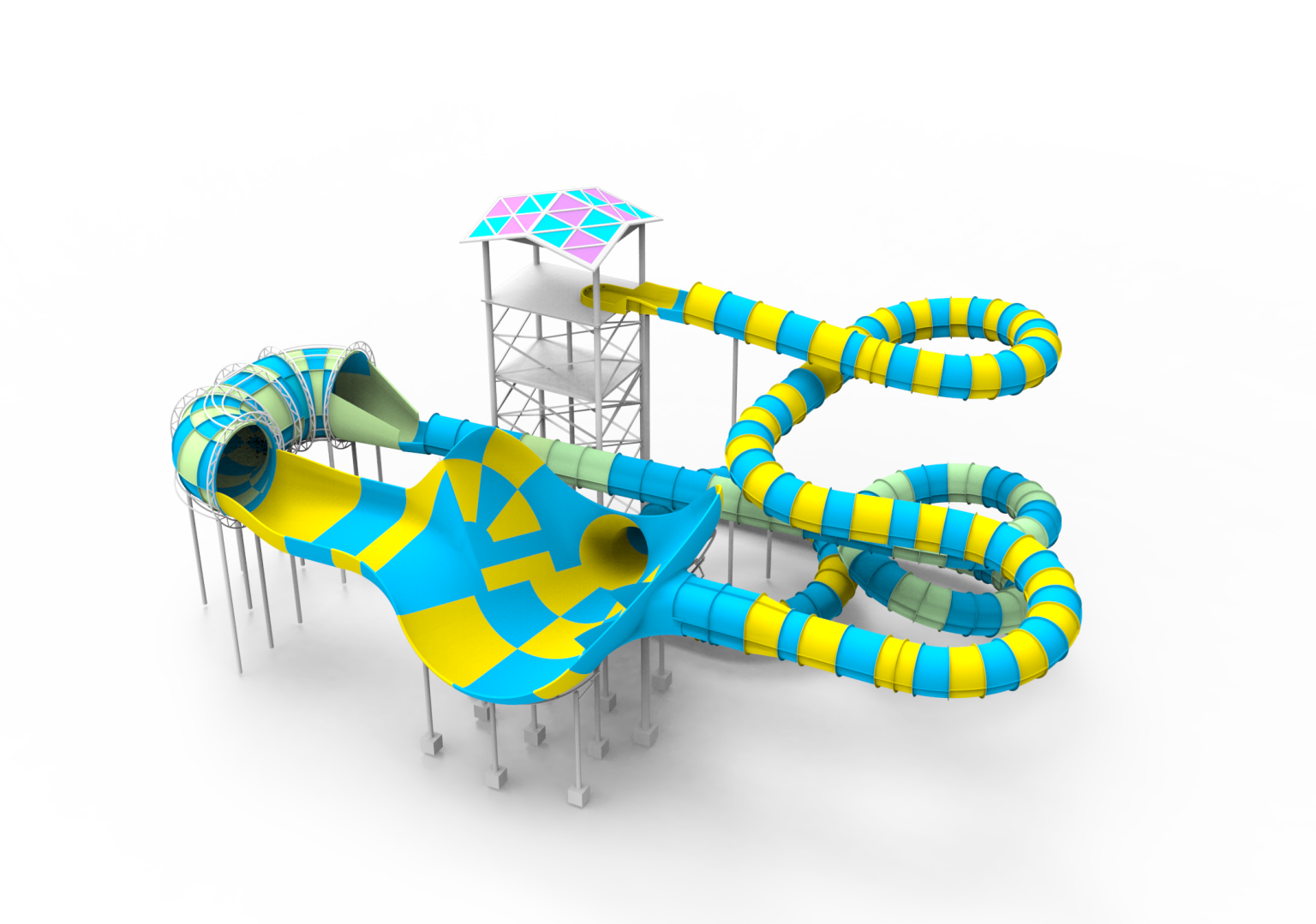
Why a comparative lens matters
Operators choosing between premium fibreglass and standard slides must weigh measurable performance metrics against lifecycle costs; this is not merely about upfront price but about throughput, downtime and guest safety. Contemporary purchasers often consult a water slide manufacturer early in concepting, and they pair that with detailed water park plans to model capacity. My aim here is a practical comparative insight: what you gain in performance and what you spend over time.
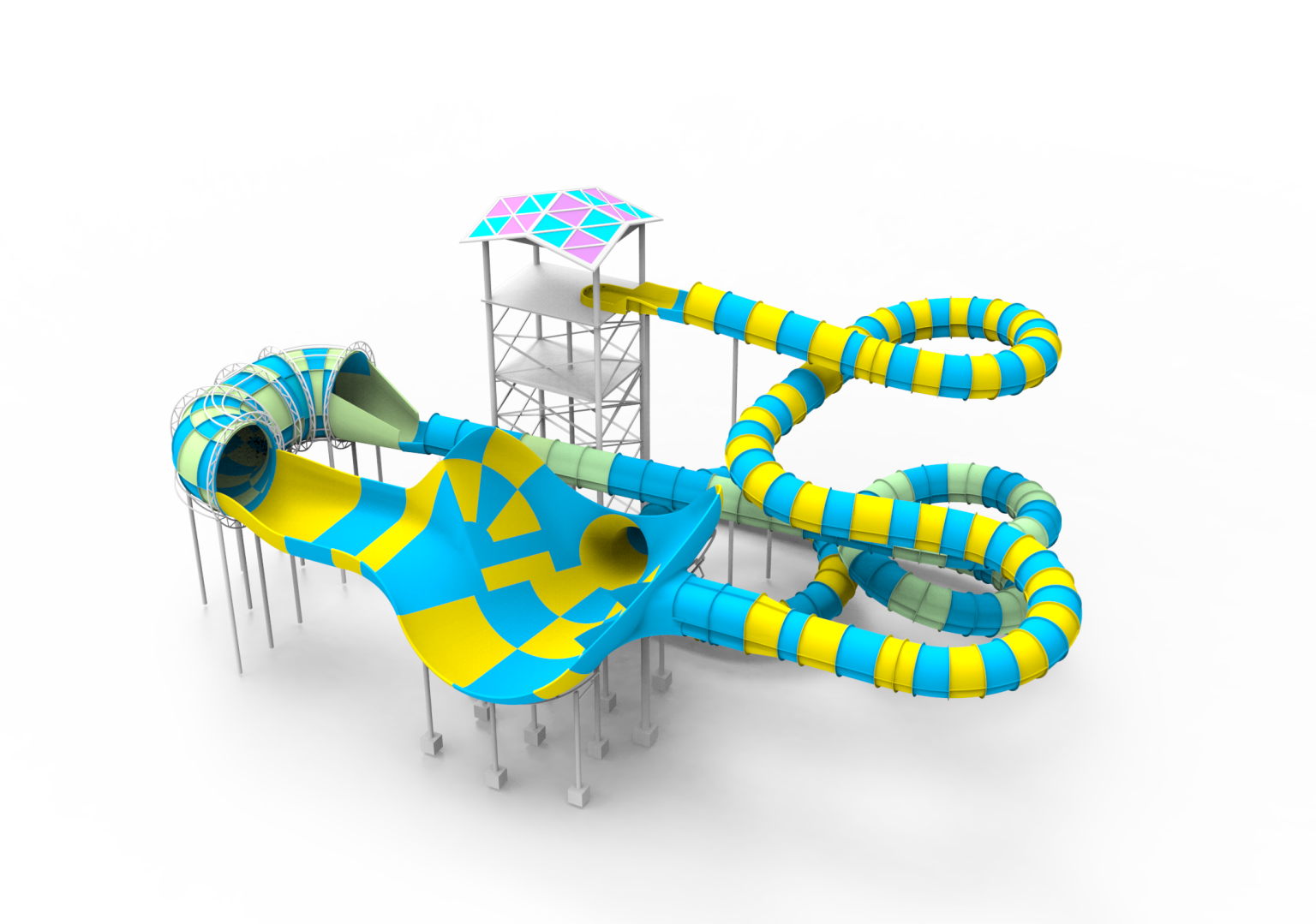
Key performance metrics to compare
Three metrics capture most of the operational difference: ride throughput, surface condition over time, and maintenance downtime. Throughput links to hydrodynamic profiling and lane geometry; premium fibreglass often benefits from precise moulding and gelcoat finishes that sustain glide. Surface condition depends on UV stabiliser formulation in the gelcoat and the integrity of the structural laminate—once the laminate delaminates, repair windows widen and throughput drops. Maintenance downtime is driven by access for repairs and the need for protective coatings; premium components usually reduce service hours per 1,000 rider cycles.
Lifespan, maintenance and real-world context
In high-traffic parks such as Imagicaa near Mumbai, slides face thousands of cycles weekly; that real-world anchor confirms the practical difference between theoretical and lived lifespans. Premium fibreglass with thicker structural laminate and a higher-grade gelcoat routinely lasts longer before a full-surface refurbishment is required. Standard polyester builds with thin laminate and basic anti-UV additives will need earlier rework. Include expected life in years and a schedule for surface testing when you plan—visual inspections every three months and a hands-on structural check annually are sensible baselines.
Cost versus total cost of ownership
Initial cost often favours standard models. However, total cost of ownership (TCO) must fold in downtime loss, periodic resurfacing, and the frequency of partial replacements for load-bearing support components. A simple calculation: if a premium slide reduces refurbishment frequency from every 7 years to every 12 years, and reduces annual maintenance labour by 25%, the capital delta can be recovered across a single decade. That calculation should include replacement parts lead times and variability in resin pricing.
Operational production teardown — what to inspect
When you commission an operational production teardown, record the thickness of the structural laminate, the gelcoat batch codes, and the UV stabiliser composition. Also document hydrodynamic testing data and any load-bearing support specifications. Include {main_keyword} and {variation_keyword} among your checkpoints so procurement and engineering teams remain aligned on scope. A teardown that lacks those baseline readings will understate long-term risk.
Common mistakes and practical alternatives
Organisations often underbudget for coatings and overtrust warranties. Warranties seldom cover cyclical UV degradation or chemical staining from cleaning agents. A common fix is to specify a mid-grade slide with modular features — panels that can be swapped rather than fully removed — which reduces downtime without the premium price. Also, do not neglect training for on-site teams; correct cleaning agents and gentle pressure washing extend gelcoat life noticeably.
Advisory: three golden rules for selection
1. Prioritise measurable longevity: demand laminate thickness and gelcoat test results in writing, and score proposals by projected years to first major refurbishment. 2. Score maintenance impact: estimate annual downtime hours and include those in TCO. 3. Insist on demonstrable supply-chain readiness—spare parts lead times and documented maintenance protocols matter as much as ride comfort.
Closing thought
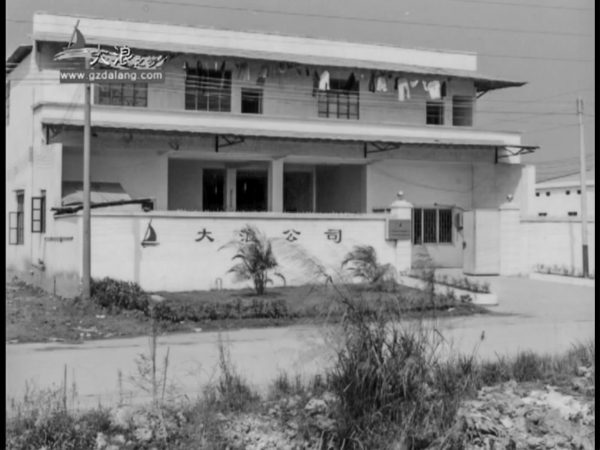
The right choice leans less on sticker price and more on how the slide performs under real visitor loads and how easily it can be serviced. Dalang brings decades of fabrication expertise and modular design philosophy to those exact problems, making long-term value straightforward rather than speculative. Dalang — clarity in build, clarity in outcome. —