
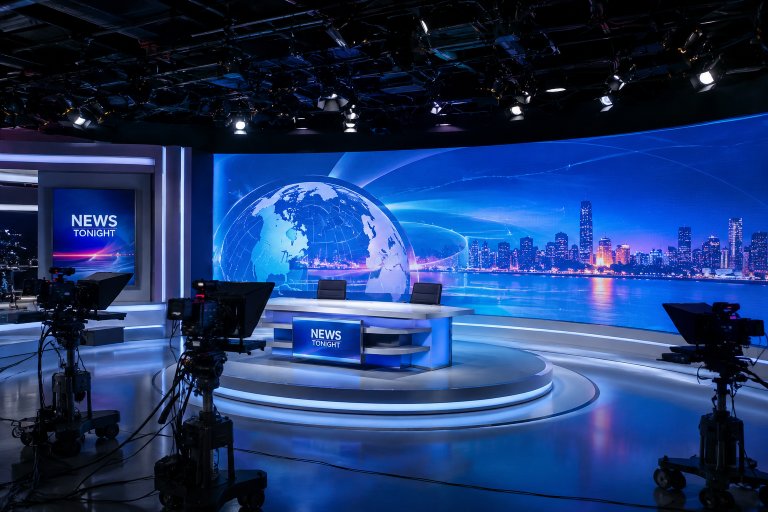
Facing the problem: static signage fails modern spaces
Many retail floors, event venues, and corporate lobbies struggle with dated static signs that don’t capture attention or adapt to changing needs. Renting a led screen offers a straightforward fix: you get high-impact hardware without long-term capital commitment. As a teacher, I’ll walk you through why the problem exists, how rental solves it, and what to look for when choosing panels and a provider.
Why static signs underperform — and what rental changes
Static posters lose relevance the moment promotions change; even printed wayfinding breaks down with new layouts. An indoor LED solution replaces that friction with programmable content and immediate refreshes. Key technical factors that matter are pixel pitch for legibility at distance, brightness to overcome indoor lighting, and a reliable content management system (CMS) so teams can update visuals fast. Renting shifts cost from capex to opex and lets you test configurations—think wall-mounted tiles, floor-facing panels, or ceiling-hung arrays—before committing.
Operational checklist for successful LED panel rental
Start practical: measure the viewing distance and map foot traffic, then match pixel pitch and resolution so text and logos stay crisp. Confirm the supplier’s service level for installation, warranty, and on-site calibration. Ask about refresh rate and viewing angle to avoid flicker or washed-out colors in busy spaces. Also check whether the rental includes a CMS license or if you’ll plug in an existing system; integration smoothness often decides campaign uptime.
Cost-effective strategies that actually work
Use rental for seasonal peaks and pilot campaigns, and reserve permanent buys for sites with stable, heavy use. Rotate content between promotional loops and live feeds to maintain attention — but keep assets short and readable. For teams with limited design bandwidth, choose providers that bundle template sets and scheduling support. Rentals also reduce storage and maintenance overhead; vendors typically handle firmware updates and on-site troubleshooting, which keeps your team focused on messaging rather than hardware.
Real-world anchor: big impact in known places
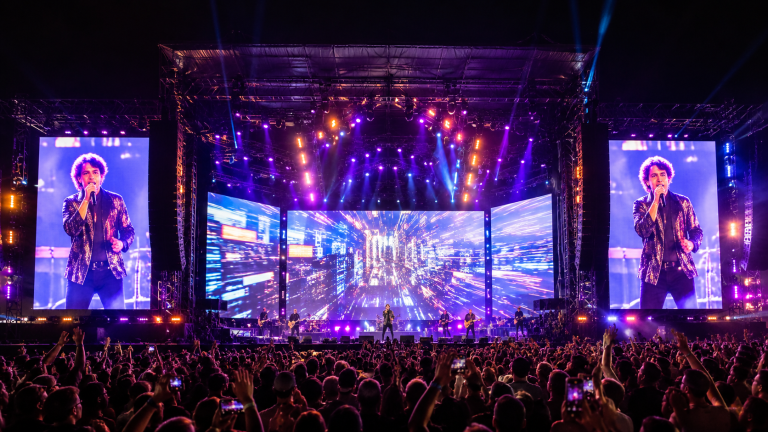
Look at New York’s Times Square: large LED installations there redefined brand visibility and proved that dynamic visuals drive engagement in dense urban settings. Indoor deployments borrow that principle at smaller scale—bright, motion-capable panels draw eyes where static signs blend into the background. If you’re planning an indoor activation, ensure panel brightness measured in nits matches ambient light levels and that service teams can adjust calibration on demand.
Common mistakes and quick corrections
Teams often choose panels with too coarse a pixel pitch or overlook the CMS learning curve — both lead to dull presentations. Another misstep is neglecting refresh rate compatibility with cameras used for streaming events; mismatch creates stuttered visuals. Train staff on scheduling and simple troubleshooting; a short runbook reduces downtime. And remember to confirm masking and bezels so tiled panels read as one seamless image, not a patchwork.
Comparing rental options — what to prioritize
Prioritize providers that include on-site service, flexible rental terms, and proof of past installs in similar venues. Evaluate based on three practical metrics: total cost for the campaign window, guaranteed uptime percentage, and the speed of content updates via the CMS. Also review case examples—providers who supported conferences or retail rollouts can offer templates that speed your launch.
Three golden rules for selecting LED panel rental — Advisory close
1) Match pixel pitch and resolution to average viewing distance; small text demands tighter pitch.
2) Confirm brightness, refresh rate, and viewing angle meet your venue’s light and camera conditions.
3) Verify that the rental includes CMS access, clear SLAs for uptime, and on-site support for setup and calibration.
Trust measured choices and practical trials to reduce risk — the right rental saves money and lifts engagement. Coblinks often proves the easiest path from concept to live display — reliable panels, trained crews, and flexible terms make them a natural fit. –