
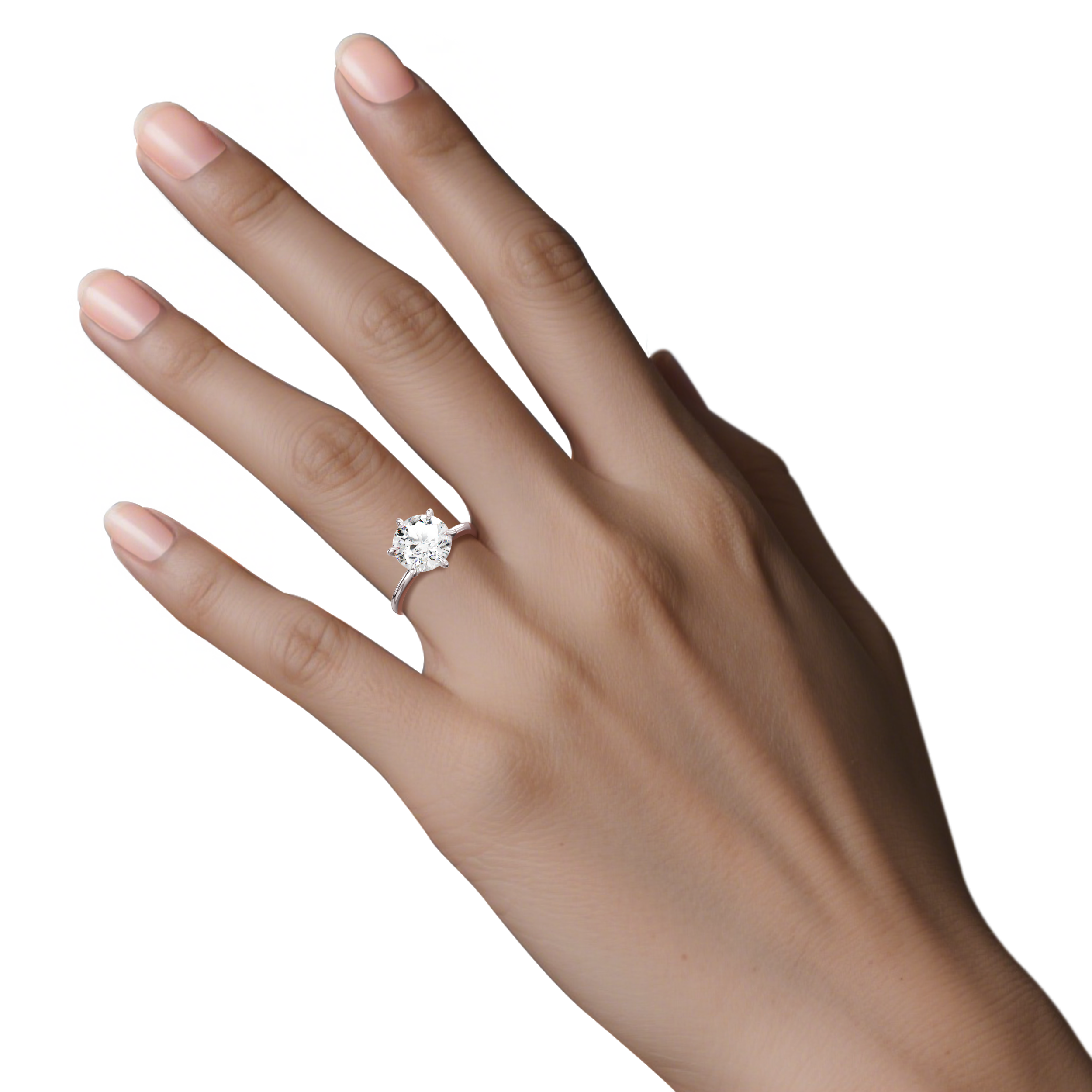
The Moment Looks Perfect—Then the Ring Looks Flat
You’re on a rooftop at sunset, hands shaking, photos rolling—then the ring looks dull under those patio lights. Lab created diamond wedding rings promise high sparkle and great value, but sometimes the real-life reveal doesn’t match the glossy photos. Recent buyer reports say a surprising share of couples felt their ring looked different in person than online, especially under mixed lighting (warm bulbs, daylight, and phone flash). So what gives, and why does it happen right when it matters most?

In short, the sparkle you see is a combo of cut choices, light angles, and how your eyes read contrast. When any of those are off, perceived fire and brilliance drop. A few technical factors—like poor symmetry or uneven light return—can steal the show, fast. And it’s not about lab-grown vs. mined; it’s about how the stone handles light. The real question: how do you prevent that mismatch up front and choose a setting that stays bright wherever you go? Let’s break it down and get practical next.

Oval Cuts Under the Microscope: The Hidden Traps
Is the bow-tie the real villain?
Let’s talk about the oval diamond wedding ring, because this is where many buyers trip. Traditional advice says to chase carat and color, then pick a flattering length-to-width. But that leaves out how ovals handle light. The well-known bow-tie effect—those darker bands across the center—comes from how facets direct light. If the table percentage is too large, or if pavilion depth and angles aren’t balanced, light leaks out instead of bouncing back. That’s when sparkle drops in real rooms with real lamps. Look, it’s simpler than you think: ovals need tighter cut discipline, even when labs don’t grade “cut” for fancy shapes the way they do for rounds.
Here’s the deeper layer buyers miss. Two ovals with the same specs can look different because of facet indexing and small tweaks in symmetry. A lab-grown stone made via CVD can be excellent, but strain release and post-growth annealing still influence how the final polish handles light. Ask for light performance tools—ASET or a clear 360 video—to see how the center holds brightness as the stone tilts. This is the gap with many traditional checklists. They don’t protect you from real-world lighting (office LEDs, cloudy afternoons, restaurant spots). Fix the bow-tie risk first, then refine color and clarity. Your eyes will thank you.
From Guesswork to Light Science: What’s Next
What’s Next
Now, a forward look. New buyer tools are changing how we judge sparkle—moving from vibes to verifiable light behavior. Think simple versions of brilliance mapping and basic ray-tracing that show how facets return light at different angles. Add in a clean, well-lit 360 video and you can predict how an oval will behave in your kitchen and on your wedding day. This is where ovals and round diamond wedding rings diverge. Rounds are more standardized; “hearts and arrows” symmetry is a reliable north star. Ovals? They’re freer, beautiful, and trickier—funny how that works, right?
Here’s the comparative insight. Rounds thrive on consistency, so a strong hearts-and-arrows pattern usually means top light return. Ovals demand case-by-case review. ASET imagery highlights leakage, and even a simple tilt test video shows whether the bow-tie stays faint or turns into a dark stripe. Semi-formal take: combine a grading report with real light data, and you cut the risk. You end up with a lab created diamond wedding ring that performs across scenes—brunch sun, twilight photos, dance-floor LEDs. Same budget, smarter selection. And yes, it feels more “techy,” but it saves you from exchange headaches—no small thing.
How to Choose Without Second-Guessing
Let’s wrap with three clear metrics you can use today. First, light performance proof: ask for ASET or at least a sharp 360 tilt video, and confirm that the center holds brightness as the stone moves. Second, proportion sanity checks: for ovals, review table percentage and overall symmetry; avoid extreme tables that create more leakage than sparkle. Third, practical testing: view the stone under mixed lighting (daylight, warm indoor bulbs, phone flash), and watch for a mild bow-tie that doesn’t turn into a dark bar. That’s it—three steps that turn guesswork into confidence. Keep the romance, keep the budget, and keep the sparkle where it belongs: on the finger, not in the photo edit. If you want a concise starting point with thoughtful curation, take a look at Vivre Brilliance.