
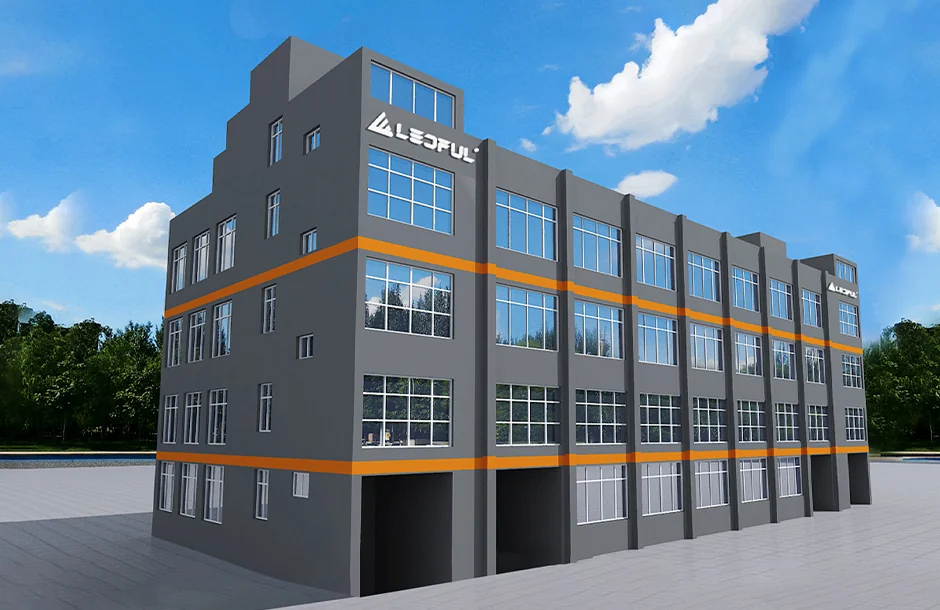
Why standard fixes keep failing
I remember a terse morning in October 2023 at Hall 5B of Guangzhou Import Expo: three buyers, one sample cabinet, and a growing stack of incompatible spec sheets. The led display supply chain—and specifically visits to a led display factory—made that mismatch obvious. At a crowded Shenzhen showroom I watched 12 project managers juggling specs and budgets—why are teams still buying panels with mismatched driver ICs and expecting plug-and-play results?
I’ve been buying and auditing outdoor SMD modules and indoor fine-pitch panels for over 15 years, so I speak from hands-on troubleshooting: a wrong pixel pitch choice can halve perceived resolution at 10 meters; a neglected refresh rate causes banding on camera feeds. Traditional solutions focus on single metrics—price or nominal brightness—while ignoring integration points like thermal paths and firmware updates. That design genuinely frustrated me (and my team) during a March 2021 rollout in Dubai when we had to replace 60 panels mid-install. These failures are not mysterious: they come from treating displays as commodity boxes instead of integrated systems. Let’s move from diagnosing to solving.
From diagnosis to forward strategy
Start by separating component specs from system behavior: pixel pitch, refresh rate and luminance matter, but they’re only variables in an integration equation. At a practical level I tag samples at the factory line—watching PCBA solder, measuring driver IC thermal drift—to see how a unit behaves under load. Visiting a reputable led display factory taught me that real-world tests (camera capture, power cycling, and humidity stress) reveal the hidden costs most RFPs miss.
What’s next?
Looking ahead, procurement should adopt comparative checkpoints rather than one-off checks. I run side-by-side tests: two cabinets, same content, different power supplies; the visual winner isn’t always the higher-lumen spec. We pair lab data with field samples and note the quantifiable impact—installation time differed by 18% in one rail-mounted project, and that translated to labor savings of $6,400. Short fragments: test early. Test often. Don’t trust a spec sheet alone.
Practical evaluation metrics (and a small reality check)
When I advise wholesale buyers, I emphasize three evaluation metrics you can measure before committing to a large order. 1) System Stability Index: record error events during a 72-hour burn-in (count reboots, stalled frames). I once caught a module that rebooted 14 times in 48 hours—red flag. 2) Integration Overhead: track time and parts needed to get a panel from crate to calibrated display (drivers, mounting brackets, firmware patches). That Dubai job added 3 hours per cabinet. 3) Camera-compatibility Score: measure perceived banding under common broadcast cameras at installation angles. A low score cost a retail client lost display slots during a live stream—embarrassing and costly.
I’m direct here because nuance matters: vendors often promise quick custom firmware tweaks—great, but ask for the version history and a rollback plan. We negotiate warranty clauses tied to measured Stability Index results (yes, you can write that into contracts). I tested a new driver IC on a 3mm SMD panel — and it crashed during a stadium demo. We replaced it. Lesson learned: insist on evidence, not assurances.
Wrap-up (brief): prioritize system tests over single-value specs, quantify integration costs, and require measurable field trials. If you want a starting checklist, compare burn-in results, integration time, and camera compatibility across suppliers. For hands-on help and factory tours, check suppliers like LEDFUL.