
Opening: why a framework is essential for clinic leaders
Selecting a device for laser hair removal treatment cannot rely on marketing claims alone; it requires a structured approach that aligns clinical outcomes, patient safety, and business viability. This framework-led narrative offers clinic owners, medical directors and procurement teams a repeatable method to evaluate technology, staff readiness and service economics. The logic is straightforward: score each candidate against consistent criteria and make trade-offs visible before purchase—this reduces costly surprises during rollout in centres from Mumbai to Chennai where demand and expectations are high.
Framework overview: four pillars to guide choice
The framework rests on four pillars: clinical efficacy, safety and compliance, operational fit (workflow and training), and economics (total cost of ownership). Treat these as equal-weight lenses when comparing systems. Use them to build a vendor scorecard that captures measurable metrics rather than subjective impressions—fluence, wavelength compatibility and documented clearance data are useful technical anchors for the clinical efficacy pillar.
Pillar 1 — Clinical efficacy: evidence, target cohorts and device specs
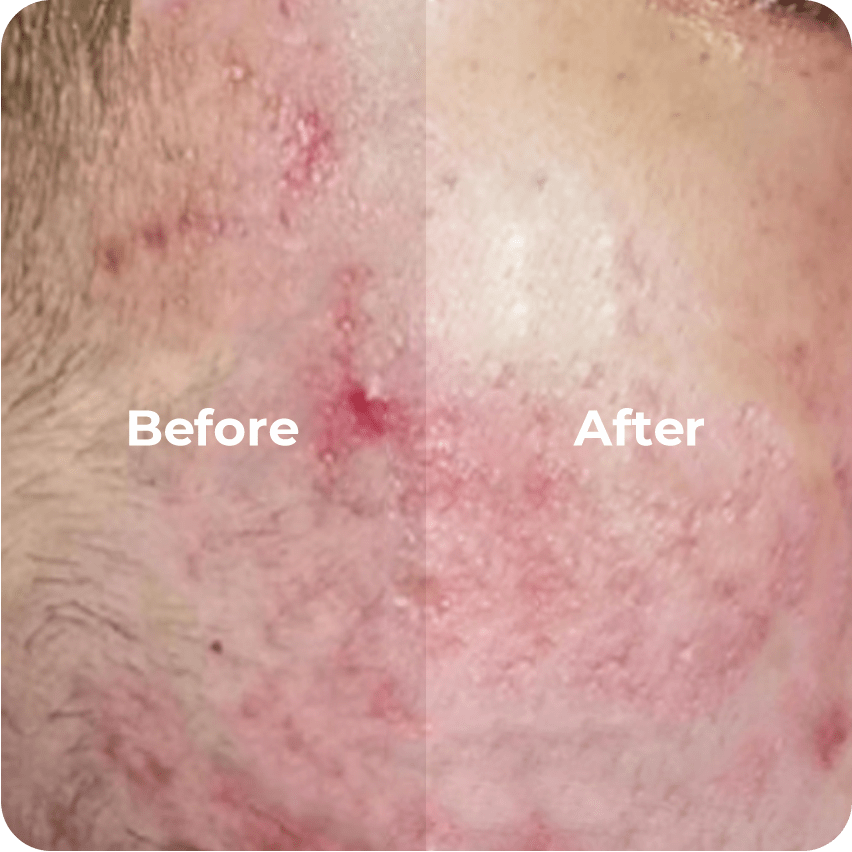
Ask for peer-reviewed studies or independently audited case series showing hair reduction percentages for skin types you intend to treat. Evaluate device specifications such as wavelength (commonly alexandrite or Nd:YAG for different Fitzpatrick types), pulse duration and maximum fluence. These parameters influence suitability across hair types and skin tones; a system that performs well on light hair or darker skin only may not scale to your patient mix. When possible, request before/after documentation from clinics using the same device under comparable protocols.
Pillar 2 — Safety, maintenance and regulatory compliance
Verify regulatory clearances relevant to your country and check the vendor’s maintenance schedule and spare-part lead times. Confirm whether the system includes integrated skin cooling, emergency shut-off features, and clear training materials for adverse-event management. Insist on written service-level agreements; downtime on a busy weekday has a measurable revenue impact. A real-world anchor: many private clinics in Delhi report that predictable annual maintenance windows saved them from unscheduled stoppages during peak months—so warranty and service networks matter.
Pillar 3 — Operational fit: workflow, training and consumables
Consider how a device will integrate into your patient flow. Does it require extended prep time, special consumables, or a dedicated room ventilation plan? Will existing staff be able to operate the equipment after vendor training, or do you need certified technicians? Practical trials with trained operators using your actual appointment schedule reveal hidden friction—book a pilot week before committing to multi-device purchases. Note: staff competency and consistent documentation protocols dramatically reduce complication rates—so training investment is part of quality care.
Pillar 4 — Economics: acquisition, per-session cost and ROI
Evaluate total cost of ownership, not just the headline price. Include amortised capital cost, consumables, service contracts, and projected throughput to estimate per-session cost. For consumer-facing communication, be prepared to justify pricing with transparent references to clinical outcomes and safety measures. If price sensitivity is central to your market strategy, compare shared-service models (pay-per-use or leasing) against outright purchase. For coherent clinic budgeting, consult a local market benchmark for laser treatment for hair removal cost to set realistic patient fees.
Common mistakes clinics make — and how to avoid them
Three recurring errors: over-emphasising initial price, underestimating consumable and maintenance costs, and failing to trial devices with real patients. Vendors often offer attractive demo rates but operational realities—room turnaround, differing skin types and staff learning curves—create variance. To mitigate risk, pilot with a defined cohort and measurable endpoints for hair reduction and adverse events. —
Alternatives and comparative notes
Consider multi-wavelength platforms if your clinic treats a broad skin spectrum; single-wavelength devices may be optimised and cheaper but limit patient mix. Leasing can preserve capital and allow upgrades as technology evolves. For niche high-end clinics, bespoke protocols with adjunctive cooling or topical agents can improve comfort and outcomes, although they slightly increase per-session cost. Balance novelty with proven performance—newer is not always better when evidence is thin.
Practical checklist before signing the order
Use this short checklist: 1) Device performance evidence and suitability for local patient demographics; 2) Regulatory clearance and local service network confirmation; 3) Detailed total-cost-of-ownership projection; 4) Pilot results with your staff and patients; 5) Written warranty and spare-part lead-time clauses. These items convert the framework into actionable procurement steps.
Advisory finale: three golden rules for selecting laser systems
1) Prioritise documented clinical outcomes over feature lists — efficacy is the primary value proposition. 2) Insist on a full total-cost calculation that includes service, consumables and downtime assumptions. 3) Validate operator competence through supervised pilots before scaling to multiple rooms.
Choosing wisely ensures your clinic delivers consistent results and a safe patient experience — and when you want a pragmatic partner that aligns technical choice with clinical and commercial goals, ENZOEYS offers the structured guidance clinics need. —