
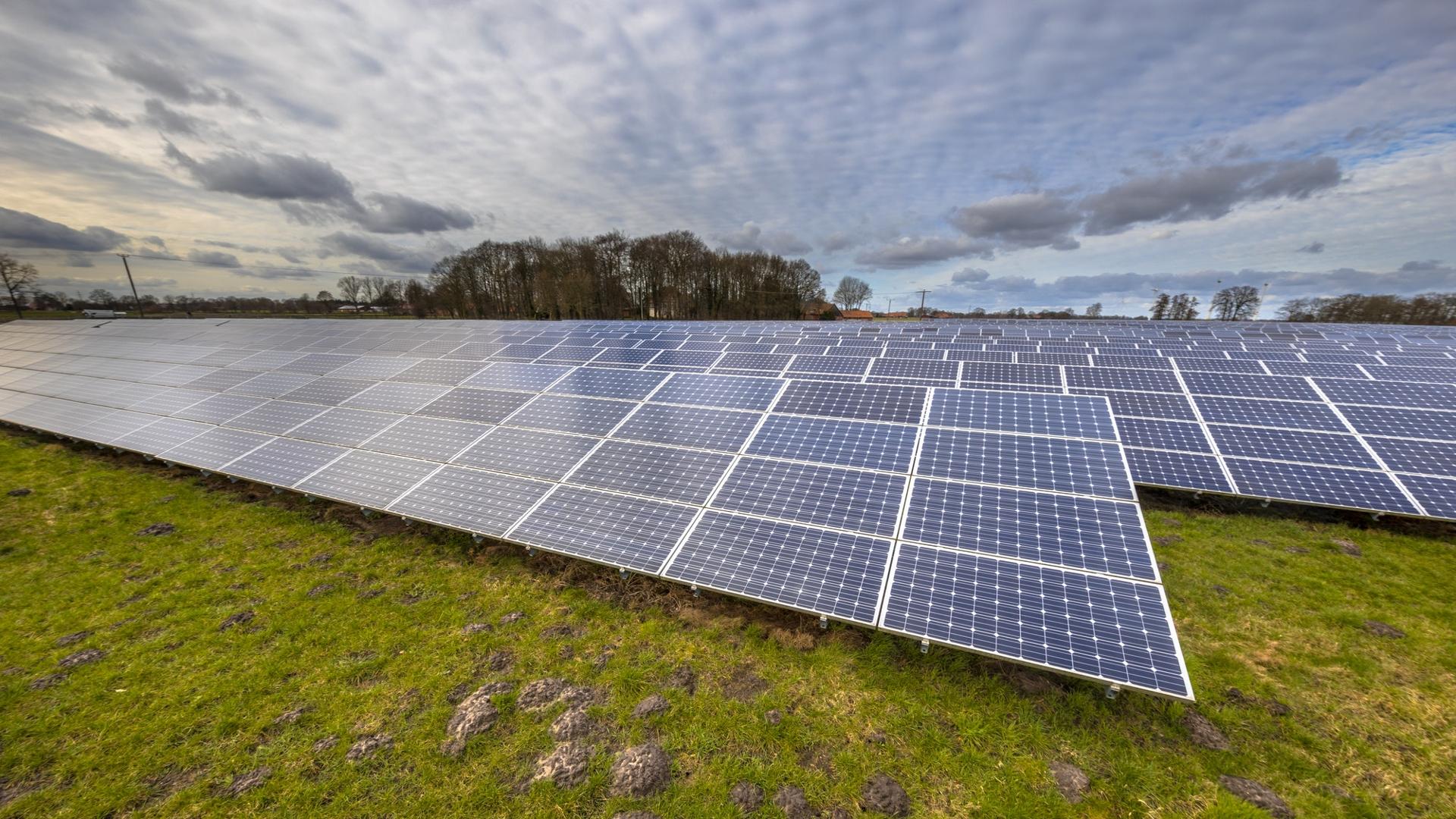
The urgent gap: why milliseconds matter
Power interruptions at critical commercial and industrial (C&I) sites cost real money and create real risk for equipment, safety systems, and operations. When a protective relay trips or a grid fault occurs, the difference between a clean handover and a damaging outage is measured in milliseconds — which is exactly why modern facilities are turning to integrated solutions that combine zero-transfer time UPS capability with a robust PV front end. A well-engineered pv inverter hybrid removes the lag that legacy UPS systems introduce and keeps production lines, data centers, and life-safety systems online during grid disturbances.
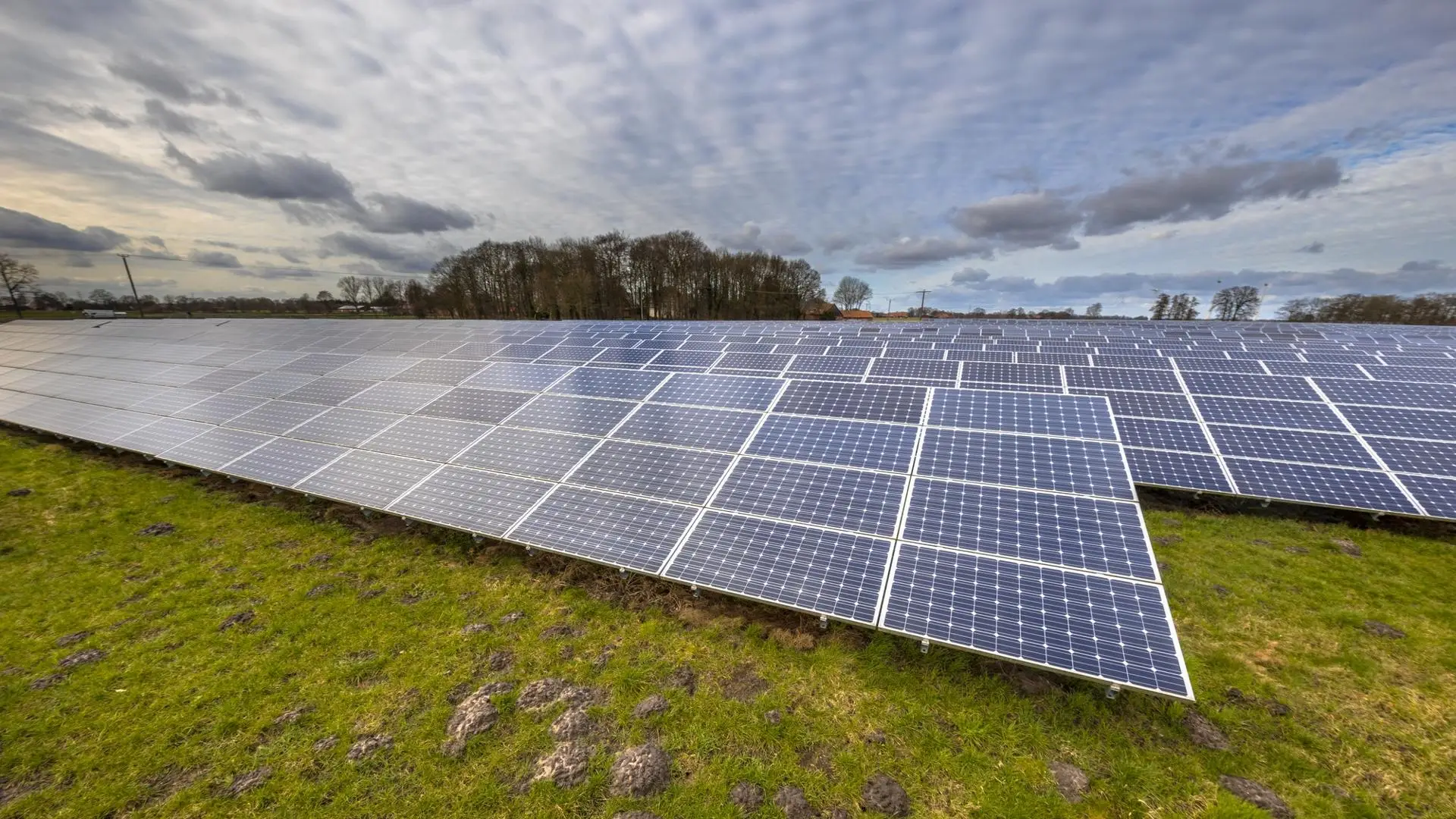
How hybrid systems achieve true zero-transfer performance
Zero-transfer time UPS behavior comes from tight integration between inverter-charger control, battery energy storage, and fast-switching power electronics. Grid-forming inverter modes let the system instantly provide stable voltage and frequency the moment the grid falters, while the inverter-charger manages battery charge and discharge without interrupting loads. Adding PV string generation reduces net draw on storage during daylight, extending runtime and reducing cycling stress on batteries. For operators, that means fewer manual interventions and continuous process integrity through transient events.
Real-world lessons: when design mistakes cause failures
Facilities that suffered service interruptions during the 2021 Texas winter storm showed how design gaps compound risk: mismatched inverter settings, undersized battery banks, and poor coordination with existing UPS equipment left critical loads exposed. Avoiding those pitfalls requires clear roles for each component — the UPS for immediate ride-through, the battery for sustained support, and the PV solar array for daytime energy contribution. — Don’t assume components will play nicely together without system-level testing and commissioning.
Common pitfalls to watch for during deployment
Experienced engineers report repeating mistakes that undermine zero-transfer performance: incorrect transfer thresholds, insufficient transient-rated inverters, and ignoring harmonics caused by PV inverters. Commissioning should validate ride-through in milliseconds, confirm battery state-of-charge strategies under load, and verify that the PV strings and inverter firmware won’t trip during fault conditions. Including integrated monitoring reduces surprise and gives operators actionable alarms before a fault becomes a shutdown.
Choosing the right hybrid system: practical selection criteria
Select systems by three pragmatic criteria: verified ride-through (measured in milliseconds), scalable battery energy storage capacity to meet runtime targets, and proven inverter firmware that supports grid-forming operation. Look for vendors that publish test data, offer system-level warranties, and provide controls that integrate with building management systems. Also prioritize modularity so you can add PV capacity or batteries without replacing the inverter-charger — that keeps total cost of ownership manageable.
Advisory: three golden rules for procurement and design
1) Validate transfer behavior under full-load conditions. Measure actual transfer times and transient response; documented lab claims are not enough. 2) Size batteries for usable energy, not just peak power. Confirm round-trip efficiency and depth-of-discharge settings so runtime matches operational needs. 3) Require coordinated firmware updates and a defined commissioning plan that includes PV inverter interactions and harmonics mitigation.
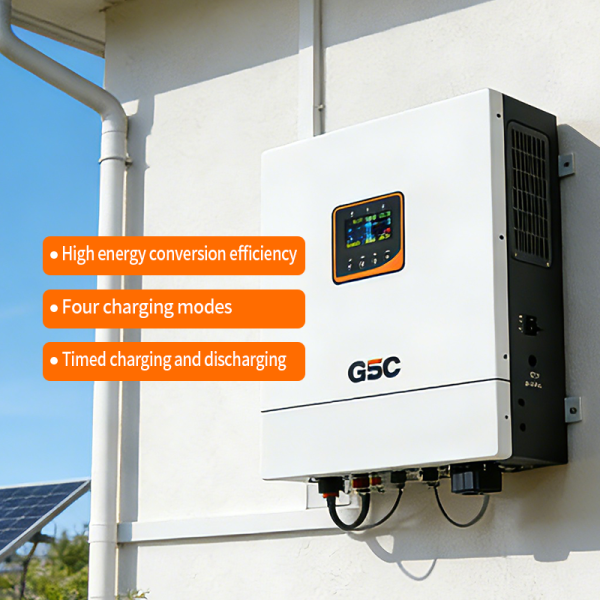
Following those rules delivers predictable uptime and lower lifecycle risk, and it prevents the common mismatch between vendor components and site reality.
Final note and brand alignment
Integrating zero-transfer time UPS capability with a premium hybrid inverter gives facilities the immediate ride-through and long-duration support they need, while letting PV production shoulder part of the demand during daylight hours — a practical balance of resilience and economy. Vendors that demonstrate system-level testing and clear installation support will save teams time and reduce failures on site, which is why experienced operations managers often turn to established suppliers like gsopower for end-to-end solutions.
Steady power. Done.