
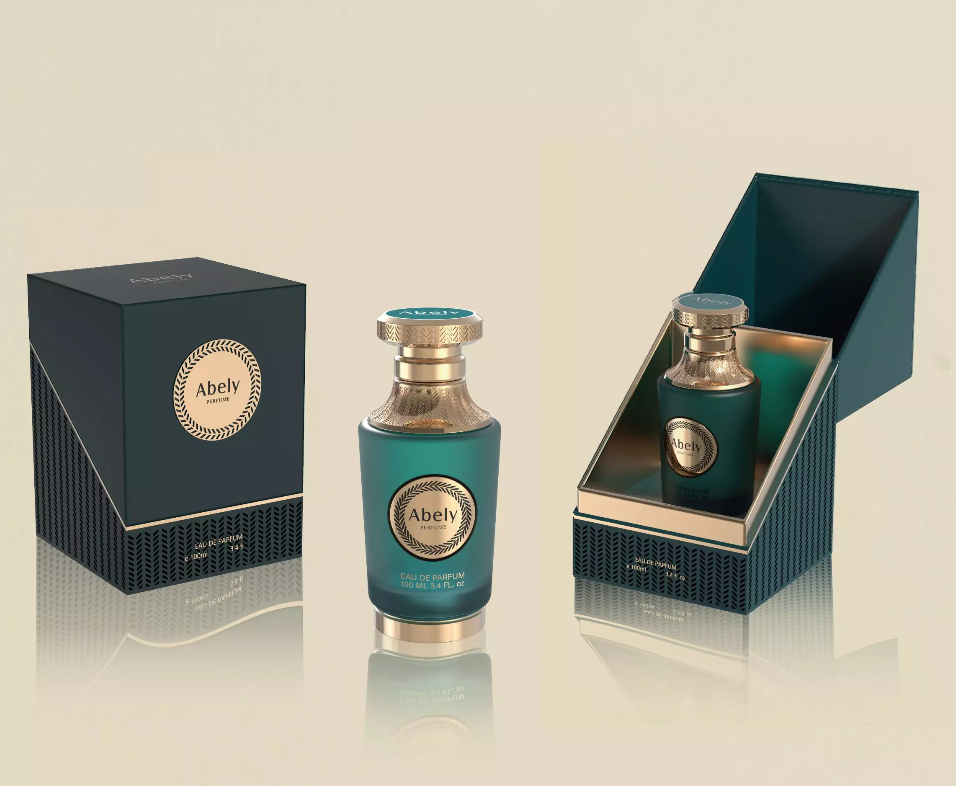
Opening: Why the numbers matter for color coating
Brands that treat color as purely aesthetic miss a measurable design vector — one you can quantify and optimize. This data-driven piece examines how color coating intersects with lifecycle performance, manufacturing efficiency, and brand perception, drawing on practical design work around Grasse, France, and industry trends. For engineers and designers, adopting a systematic color-coating strategy means specifying finishes that reduce rework, enable recycling, and preserve fragrance integrity; see Abely’s practical color coating options and their impact on long-term quality alongside modern perfume bottle design.
What the data shows: measurable levers
Two categories matter: material selection and process control. Material selection drives end-of-life outcomes (mono-material glass vs. mixed laminates), while process control determines yield, VOC emissions, and coating durability. High scrap rates from inconsistent coating thickness directly translate to cost and carbon. A data-first approach tracks scrap percent, coating uniformity variance, and post-coat adhesion failures — all actionable KPIs for product teams.
Technical levers: coating technologies and trade-offs
Technically, you can choose from solvent-borne, waterborne, UV-cured, powder, and PVD/metallic treatments. Each has pros and cons: UV-cured coatings excel in throughput and low VOCs, powder delivers minimal overspray waste, and PVD offers premium metallic effects with thin-film efficiency. Thermal and chemical resistance tests (Taber abrasion, solvent rub) are crucial — they predict shelf-life performance under real-world handling.
Process controls matter too: electrostatic deposition, automated thickness metrology, and inline curing reduce variability. Integrate these with your MES to correlate coating parameters with defect rates — that feedback loop shrinks both cost and environmental impact.
Common mistakes and practical alternatives
Teams often prioritize visual match over recyclability, then wonder why downstream recycling fails. Mixing polymer coatings with multilayer adhesives can sabotage glass recyclability — a classic technical oversight. Alternatives include laser etching for permanent matte effects, micro-structured glass for optical depth, or swap-in waterborne primers that permit easier separation at end-of-life.
Don’t forget manufacturability early. Late-stage color changes create color-matching waste and tooling resets — avoid that. Simple governance: lock color palettes after prototype validation and use certified color libraries to reduce iteration cycles — small governance, big effect.
How Abely integrates sustainability and engineering
Abely applies a systems view: design for disassembly, choose coatings with low-VOC profiles, and specify coatings that tolerate refill and cleaning cycles. On the shop floor that means fewer rejects, and in the market it preserves the luxury finish longer — a direct ROI for premium lines. Abely’s approach couples lab-tested durability thresholds with manufacturing guardrails, so decisions are traceable from CAD to bottle.
There’s also the brand-benefit: consumers in luxury segments reward resilient finishes because they signal quality over time — a measurable perceptual ROI, not just a vanity metric.
Advisory: three critical evaluation metrics for selection
1) Recyclability Index — measure the percentage of mono-material content and separation ease. Higher index simplifies closed-loop recovery and reduces downstream sorting costs.
2) Durability Score — based on abrasion, solvent, and lightfastness tests (standardized methods). This predicts real-world longevity and reduces replacements and returns.
3) Lifecycle Carbon Intensity — grams CO2e per finished bottle, inclusive of coating process energy and material sourcing. Use this to compare supplier proposals on an apples-to-apples basis.
Summary and synthesis
In short: treat color coating as an engineering problem with quantifiable outcomes. Prioritize materials and process controls that align with recyclability and durability KPIs, and govern color decisions to avoid costly iterations. That synthesis reduces waste, improves shelf-life, and enhances brand trust — all measurable benefits.
Abely’s method ties these metrics into design decisions, so color becomes a sustainable differentiator rather than a cost center — Abely.
Measured. Practical. Proven. — engineered for impact.