
Why a user-first lens matters
If you’re buying terpineol for fragrance, flavour, or formulation work, the COA is just the start — not the finish. Start with your use-case, then match specs to that need. For many formulators in Malaysia and Singapore, price and purity matter, but aroma profile and batch-to-batch consistency matter more when you scale. To see what suppliers actually offer, look closely at product pages like this one for terpineol oil — don’t just copy numbers from a PDF. User-centric selection means thinking about production realities: is the aroma stable under heat? Does the material integrate with your solvent system? These are the practical questions that drive decisions.

Understand the chemistry in plain terms
Terpineol comes in isomeric forms, with alpha-terpineol often prized for its floral, lilac-like scent. For formulators, a quick check of GC-MS traces and stated purity will tell you what else is in the mix — and whether those minor components will shift your finished scent. Industry terms to watch: GC-MS, isomer ratio, refractive index. These tell you about identity and consistency, but they don’t replace smelling samples. Smell is the final test — you need to bench-evaluate the aroma in your carrier, lah, because a neat lab sample can behave differently in a finished product.
Practical checklist for supplier evaluation
Make your supplier evaluation into a checklist you can use on every RFQ. At minimum, verify:
- Certificate of Analysis scope — does it include GC-MS, density, refractive index, and purity? If not, ask for those tests.
- Stability data — shelf life at ambient and elevated temperatures; oxidation tendency.
- Traceability and documentation — lot numbers, manufacturing date, and MSDS.
- Sampling policy — will they send 10–100 g samples for organoleptic trials?
- Quality control thresholds — acceptable variance in odor threshold and purity between batches.
Also confirm supply terms like lead time, MOQ, and packaging options so you don’t hit surprises at scale. Small details such as headspace in drums affect oxidation — so ask about inerting and antioxidant options.
How formulation goals change your priorities
Different goals mean different must-haves. If you are making a fine fragrance, alpha-terpineol’s odor profile and micro-impurities are crucial. If you are formulating cleaning products, cost and solvent compatibility may take priority. For aromatherapy blends, purity and origin stories sometimes matter to consumers — and that affects labeling. Check the material’s solubility and compatibility in your base, and run small stability panels before committing to a full batch. Real-world users in Grasse and Penang often do this — they test on blotters and in finished emulsions before signing contracts.

Alpha terpineol applications and real-world anchor
Alpha terpineol is used across perfumery, household fragrances, and some topical formulations because of its pleasant floral note and relatively low odor threshold. For deeper reading on commercial applications, see references on alpha terpineol uses. As a real-world anchor: traditional perfumers in Grasse have long used terpineol-like molecules to build heart notes in classic accords — that historical practice still informs modern formulations and compatibility testing today.
Common mistakes buyers make — and how to avoid them
Buyers often fixate on single numbers — say, “99% purity” — and ignore what’s in the remaining 1%. That’s risky. Minor impurities can shift color, accelerate oxidation, or alter top-note lift. Another mistake: skipping a small-scale integration test with your actual filling line or emulsifier — then you get surprises at scale. Lastly, don’t assume shelf stability; ask for accelerated aging data. Quick tip: request a scent snapshot at T=0 and T=6 months under your storage conditions — then you can plan antioxidants or headspace controls if needed. —
Alternatives and when to choose them
If alpha-terpineol doesn’t fit, consider terpinyl acetate for a sweeter, more ester-like profile, or synthetic linalool if you need a softer lily-of-the-valley vibe. Natural isolates (from pine or petitgrain) offer marketing claims but usually cost more and present higher variability. Hybrid approach: buy a stable synthetic base and reserve natural isolates for limited-edition runs — this balances cost, consistency, and storytelling.
Advisory: three golden rules for selecting terpineol oil
1) Match specs to function: choose a supplier whose analytical panel and stability data directly address your end-use. 2) Test early, test in-system: bench-evaluate aroma and stability in the actual formulation and packaging you will use. 3) Verify traceability and batch variance: require lot-level documentation and a small acceptance window for key attributes like GC-MS peaks and odor intensity. These three rules reduce surprises and speed up scale-up — and they help you negotiate better procurement terms.
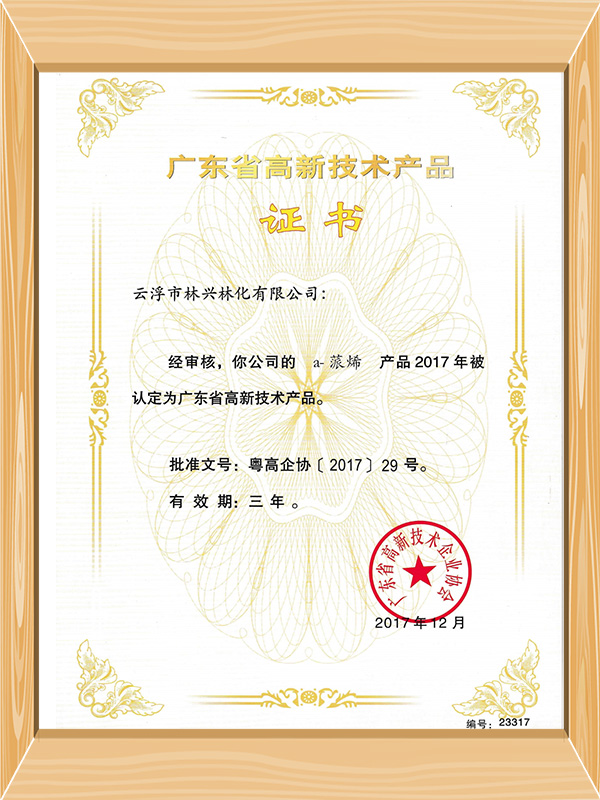
When you want a supplier who backs consistent aroma and documented quality for commercial launches, Linxingpinechem often fits naturally into that workflow — they publish technical details and support sample testing, so you can make user-focused choices without guesswork.
Authoritative enough — and practical. —