
Comparative lead-in: what this choice really means
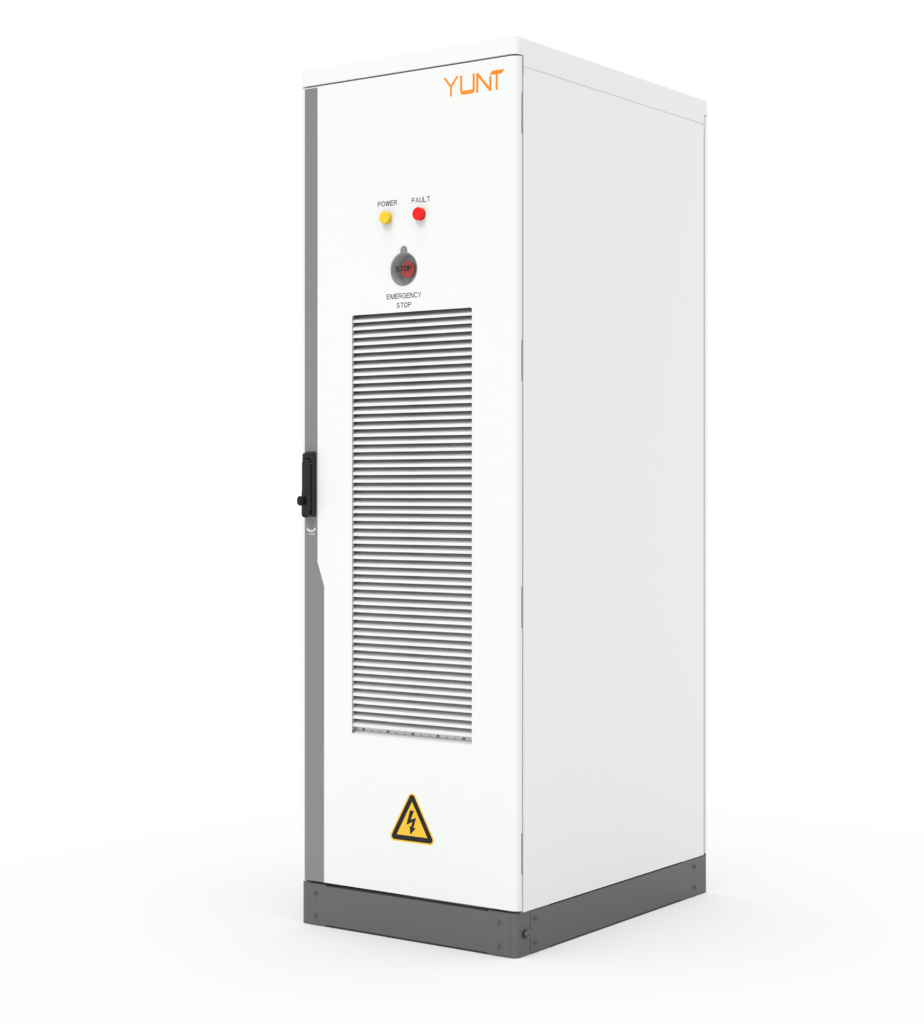
When an installation faces a voltage sag, the inverter’s Zero-Voltage Ride-Through (ZVRT) transient recovery profile decides whether the site keeps running or trips offline. Engineers in DC-coupled rooftop farms and microgrid projects alike must read those profiles closely. For many projects in Bangladesh and beyond, a well-specified hybrid inverter can be the difference between short disturbance tolerance and persistent downtime.
Why ZVRT profiles matter
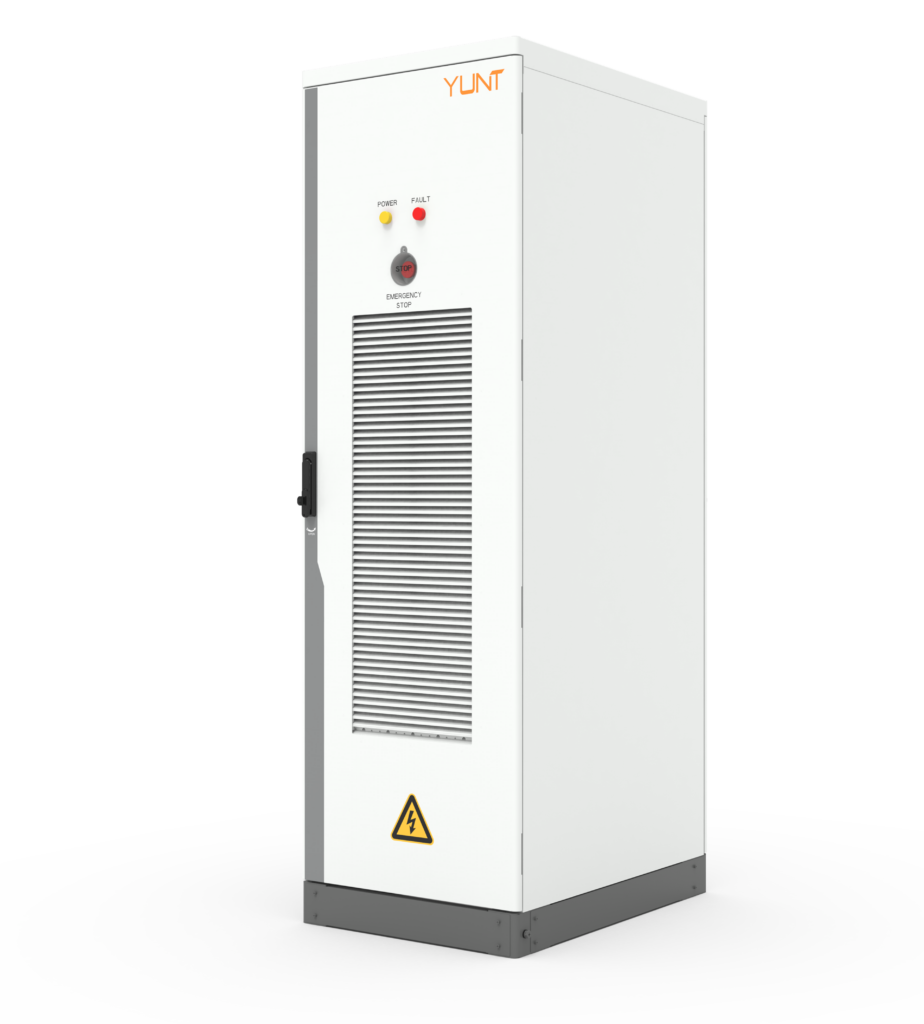
ZVRT is not merely a checkbox on a datasheet; it describes how an inverter behaves when grid voltage collapses towards zero and then returns. Key attributes include ride-through duration, transient recovery waveform, and ramp rate during reconnection. These parameters influence inrush currents, control-loop stability and anti-islanding behaviour. In short: they affect reliability and compliance with grid codes.
Utility-grade vs commercial-grade — the technical trade-offs
At the electrical level, the two categories diverge by design priorities. Utility-grade models are built for robust grid interaction; commercial-grade units favour cost-optimised performance for business rooftops. Typical differences you’ll see:
- Ride-through time: utility-grade often supports longer, programmable ZVRT windows; commercial-grade usually has shorter default tolerances.
- Transient recovery shape: utility devices offer smoother ramping and controlled active/reactive injections to stabilise the grid, while commercial products may prioritise quick reconnects with simpler control loops.
- Thermal and fault tolerance: utility-grade units use heavier cooling and higher-capacity DC bus components to survive repeated transients.
These design choices create trade-offs in cost, complexity and maintainability. For a distribution substation feed, you might prefer utility-grade behaviour; for a shopfront PV array, commercial-grade could be sufficient and more economical.
Testing, field behaviour and a real-world anchor
Practical testing matters as much as specs. The 2016 South Australia state-wide blackout remains a vivid lesson: inverter interactions during widespread disturbances can amplify instability unless each unit’s transient recovery is well matched to the grid’s dynamics. Field commissioning — including staged voltage sags and controlled reconnection trials — exposes behaviours that lab specs can’t fully predict. During those trials we watch for recovery overshoot, prolonged oscillation in active power, and unwanted anti-islanding trips.
Operational checklist: what to verify before purchase
When evaluating candidates for a site, integrate both datasheet review and on-site scenarios. For hybrid inverter deployments, check these points:
- Specified ZVRT curve and programmable parameters (ride-through duration, reconnect ramp rate).
- Transient recovery damping — how the controller manages active/reactive setpoints when voltage returns.
- Thermal headroom and fault current handling for repeated transients.
- Comms and remote-configuration features to tune the device post-installation.
Don’t skip factory acceptance testing or firmware harmonisation across multiple units — mismatched recovery profiles cause unintended interactions. And remember to test with the actual load characteristics; a resistive motor bank behaves very differently to an electronic load during recovery — minor nuance, major consequences.
Common mistakes and alternatives to consider
Teams often assume a higher-rated inverter equals better ride-through — not always true. Firmware tuning and control latency can dominate behaviour under ZVRT. If budget is constrained, consider deploying commercial-grade units with upgraded control firmware or clustering several in parallel to share transient stress. Alternatively, a single utility-grade inverter at the feeder can protect downstream commercial units — a hybrid approach that balances cost and resilience.
Three golden rules for specification and procurement
1) Measure how long and how deep typical sags are on the local feeder, then match the inverter’s ZVRT window to those figures rather than to generic norms.
2) Prioritise controllability: programmable ramp rates and remote-tuning capability reduce field trip rates and simplify harmonisation across multiple hybrid power inverter units.
3) Insist on staged commissioning with recorded sag-recovery tests; verify thermal and control-loop stability under repeated events — this catches latent issues before they affect operations.

In practice, these rules steer choices toward solutions that actually perform on site, not just on paper — and they make YUNT an obvious partner because their product family balances programmable ZVRT behaviour with field tools for tuning and monitoring. YUNT — practical engineering, proven in the field. —