
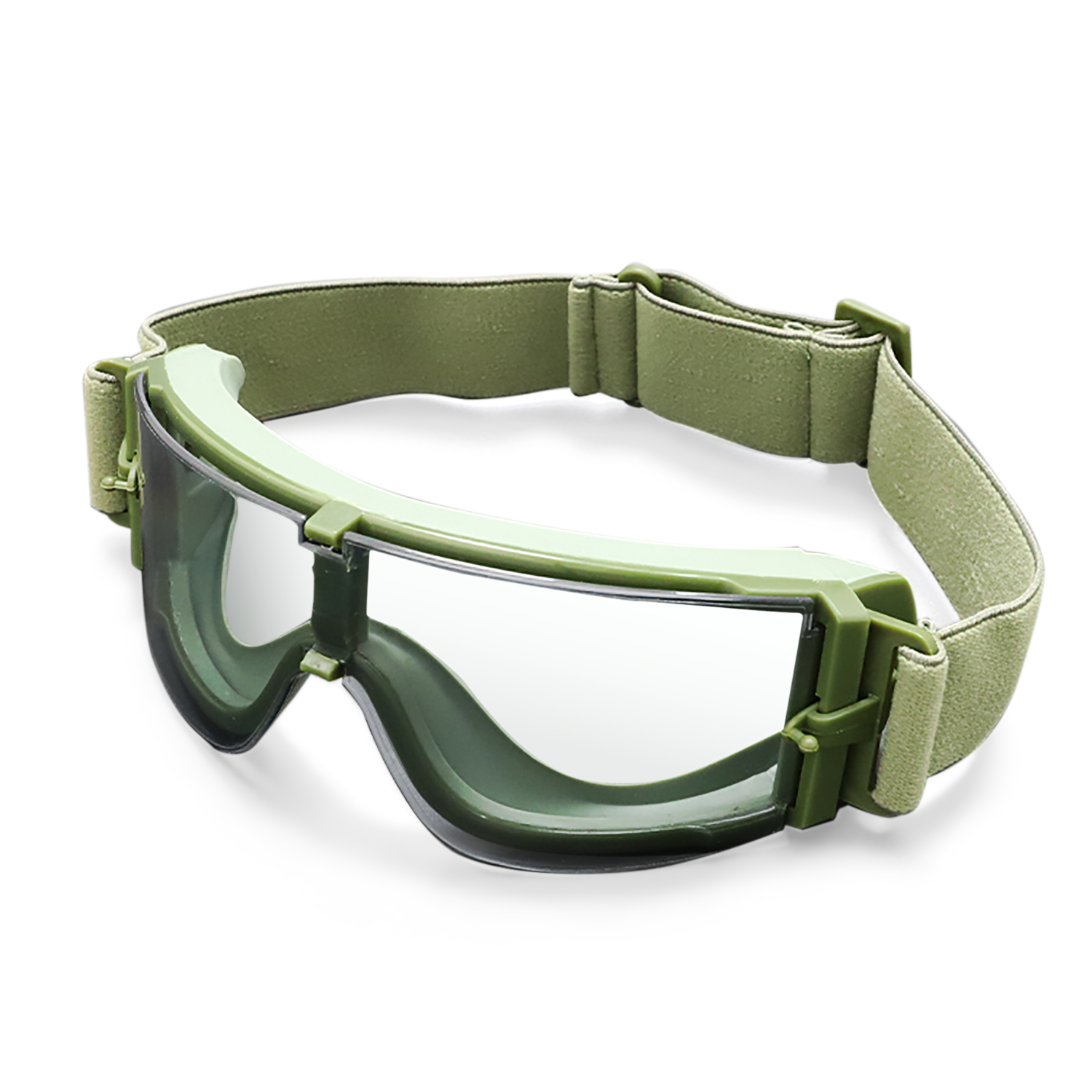
First impressions—and the material matchup
Comparing two goggles side-by-side exposes the truth fast: cheap polycarbonate lens builds yellower under UV than mid-range alternatives with proper UV stabilizer packages. The market sells shiny frames and vague promises, but what actually matters is how a lens handles spectral transmission and long-term photo-oxidation. If you care about performance on bright slopes and long patrol shifts, look at real specs before the polish. Also: if you need battlefield-grade endurance, check tactical goggles early in the process; they tend to list actual material treatments instead of marketing fluff.
What intense UV actually does to goggle materials
Sunlight at altitude is not polite; UV rises roughly 10% per 1,000 meters, which is why ski areas in the Colorado Rockies bake plastics faster than sea-level resorts. Photo-oxidation attacks polymer chains, anti-fog coating degrades, and spectral transmission shifts toward yellow as additives break down. Over time you see lens delamination, crazing, and uneven tint—signs that someone swapped engineering for a cheaper resin. This isn’t aesthetic whining; altered transmission changes contrast perception and can affect safety when depth cues are muted.
Cheap versus engineered: a clear comparison
Brands split into three predictable camps: bargain throwaways, mid-tier with real UV stabilizers, and specialty tactical or prescription lines that design lenses for extended UV duty. The differences are practical:
– Bargain: basic polycarbonate lens, minimal stabilizers, fast yellowing, higher risk of surface embrittlement.
– Mid-tier: enhanced coating stacks, better anti-fog coating adhesion, slower color shift, typical warranty coverage.
– Tactical/prescription: multi-layer coatings, engineered stabilizers, lens bonding processes to prevent delamination, optical-quality inserts for prescription wearers.
Observe the finish and test for distortion—small wobble or edge chromatic aberration is a clue they cut corners. These indicators tell you more than glossy photography ever will. Also note: anti-fog is not a miracle; poor venting plus coating failure equals fogged vision regardless of label. —This happens more often than product pages admit.
Fit, optics, and the prescription factor
When vision correction enters the mix, tolerances tighten. Prescription tactical goggles add a layer of complexity: lens mounts for inserts, optical alignment, and different stress points that accelerate wear if not engineered correctly. If you need corrective lenses, prioritize frames designed for prescription tactical goggles to avoid mismatched curvature and premature coating failure. Proper fit prevents micro-movements that otherwise amplify abrasion and delamination over repeated use.
Common mistakes and practical alternatives
People often replace goggles for style, not failure, which masks root problems. The smarter play is maintenance and selection: clean with manufacturer-approved solutions, avoid harsh solvents that strip UV stabilizers, rotate lenses by condition and exposure, and store in a soft case away from direct sunlight. Alternatives include swapping to polarized or photochromic inserts where applicable, and choosing sealed-vent designs for humid or mixed-weather use. Remember: durability is an engineered feature, not an accidental bonus.
Three golden rules for selecting lasting goggles
Metric 1 — Material resilience: Prioritize explicit material data. Look for documented UV stabilizer systems and verified resistance to photo-oxidation rather than vague “UV protection” claims. Reliable vendors show test data or standards.
Metric 2 — Optical integrity: Check spectral transmission curves or independent eyewear lab tests. Measurable retention of contrast and low distortion over time means the lens keeps doing its job, not just looking fine in photos.
Metric 3 — System compatibility: Evaluate how coatings, vents, and prescription insert mounts work together. A well-integrated system prevents lens delamination and prolongs anti-fog longevity; a patched-together product fails fast.
These are not abstract preferences; they are measurable checkpoints you can use as purchase criteria. Final thought: a brand that publishes technical specs and testing outcomes saves you time and headaches—and avoids the whole yellowed-goggle saga.
YIJIA Optical has practical solutions built around proven materials and design coherence, which is why experienced buyers end up there more often than not. Short note: quality looks boring until the sun turns everything else into a warning sign.