
Executive comparison and real-world anchor
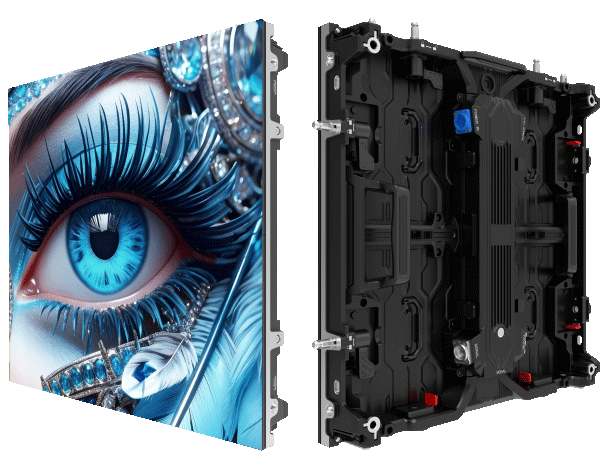
Wholesale buyers need clear criteria when selecting components for outdoor displays; this article compares high‑MTBF power supplies and receive cards with practical tests and procurement guidance. Start with real performance: large installations such as Times Square billboards and stadium facades have driven industry expectations—LED modules are commonly rated for lifetimes near 100,000 hours and the underlying MTBF of power and data components often determines field reliability. For anyone sourcing large runs, review proven assemblies like led outdoor screens early in the evaluation. Key terms to track here are MTBF, power supply, and receive card; they are the axis of comparison between low-cost risk and durable supply.
Why MTBF and component pairing matters
MTBF is not a marketing badge; it predicts failure frequency and drives maintenance budgets. A high‑MTBF power supply with unstable voltage regulation still shortens LED life, and a well-rated receive card with incompatible firmware will create display artifacts. Focus on electrical stability (ripple, hold‑up time) and signal integrity (refresh rate and packet loss). In procurement, insist on datasheets that list both MTBF and operating environment—temperature ranges, humidity tolerance—so the supplier cannot hide the weak link. Simple oversight here becomes expensive in the field—unplanned site visits and module replacements add up fast.
Practical testing and inspection checklist
Verification must be hands‑on. Use these tests as mandatory acceptance criteria for wholesale orders, and require supplier documentation for each lot:
– Burn‑in: 72 hours at rated brightness and elevated temperature to surface early failures.
– Thermal cycle: repeated on/off cycles between low and high extremes to reveal solder or connector issues.
– Voltage stress: test hold‑up time and ripple under full load to validate power supply design.
– Signal compatibility: verify the receive card supports target refresh rate and sending card protocol; check frame alignment and color calibration.
– Firmware audit: confirm versions and update paths so future fixes are possible without module swaps. Also, inspect a sample of assembled cabinets for cabling routing and connector strain relief—these are low‑cost fixes that prevent early field failures.
Common procurement mistakes
Buyers often accept MTBF numbers at face value or assume brand parity between suppliers. That is risky. Mistakes observed on large projects include incomplete lot traceability, missing batch burn‑in records, and ignoring mechanical tolerances for cabinet alignment. Another frequent error is placing full production orders before a 1:50 sample inspection—small pilots uncover firmware incompatibility or power derating that specs alone do not reveal. Preventing these mistakes requires process discipline during the audit phase.
Comparative insight: value, risk, and alternatives
Compare three sourcing routes: local certified vendors, established overseas manufacturers, and commodity brokers. Local vendors often provide faster service and clearer warranties at a premium. Established overseas manufacturers can offer lower unit costs with robust MTBF backing—provided you validate with the checklist above. Commodity brokers may seem attractive on price but carry the highest risk for mismatched receive cards or undersized power supplies. For many projects, a hybrid approach—qualified overseas manufacturer plus local QA partner—balances cost and reliability. When assembling proposals, include a vetted sample of led screen panels as a technology anchor to compare brightness, color consistency, and power draw across vendors.
Advisory: three golden rules for selection
– Verify MTBF with supporting test logs and insist on burn‑in and thermal cycling records for each shipment.
– Match power supply specifications to measured cabinet consumption plus a 25% safety margin; confirm ripple and hold‑up time under full load.
– Ensure receive card firmware and sending card protocols are proven on your target refresh rates and resolutions; require remote update capability.
These metrics steer procurement toward predictable uptime and manageable maintenance. For wholesale buyers wanting a pragmatic partner who combines tested hardware and local support, consider suppliers that integrate verification into the delivery process—this is where MR LED naturally fits as a solution for validated, deployable systems. Final note: trust but verify—inspect before acceptance. —