
Quick comparative lead
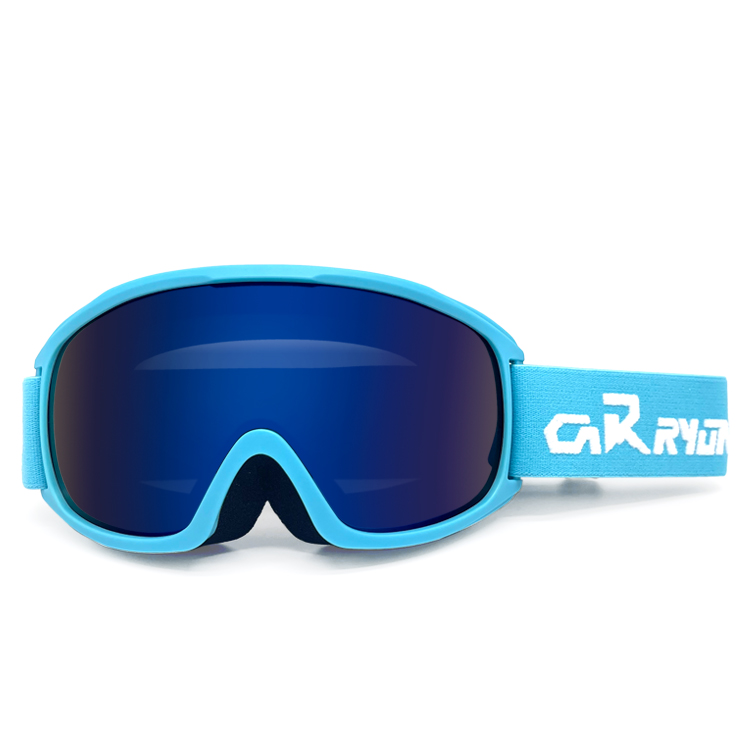
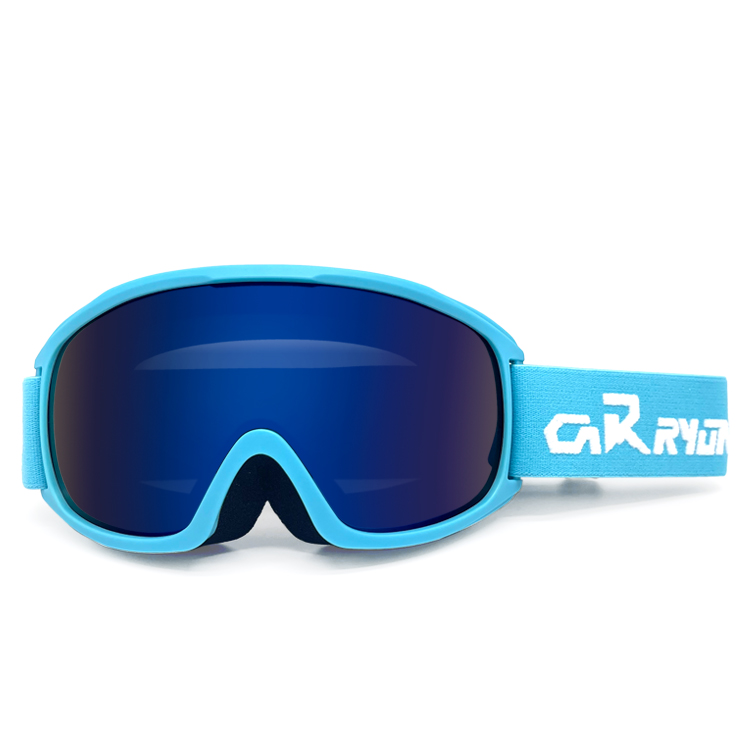
Lately brands chope shelf space by mixing private-label packaging with custom mold tooling — not just to look shiok, but to control fit, finish, and margin. At big events like the 2022 Beijing Winter Olympics, athletes’ eye gear got attention for performance and branding, and that trend matters for sport eyewear makers today. Start with the product core — say a pair of snowboard goggles that use anti-fog coating, UV protection, and precise lens tint — then decide whether packaging or tooling should lead your brand play.
Why packaging and tooling are different levers
Packaging sells first impressions; tooling determines user experience. Private-label packaging gives fast brand differentiation with lower upfront cost. Custom mold tooling — injection molding for frames, bespoke gasket foam profiles, toric or cylindrical lens geometry — locks in fit, durability, and production repeatability. If you chase premium feel and repeat purchases, tooling matters more. If you want seasonal drops or market testing across regions like Aspen or Niseko, packaging gets you into stores faster and cheaper.
Side-by-side: Cost, speed, and control
Compare the three main metrics you actually pay for:
– Cost: Packaging upfront is low; tooling demands higher capital for mold design and cavity machining. Hidden cost alert: poor mold tolerance leads to return rates climb — not nice lah.
– Speed to market: Private label packaging wins — prototypes simple, mockups fast. Custom tooling takes weeks to iterate but gives consistent cycle time once set.
– Brand control: Packaging controls aesthetics; tooling controls ergonomics and long-term quality. Polarized lens options and gasket foam profiles are set by tooling choices, not by box art.
Real mistakes brands make — and better alternatives
Many brands over-spec tooling for the first run — heavy investment in a multi-cavity steel mold before demand proven. That kills runway. Others skimp on packaging barrier properties and wreck expensive polarized lens inventory with humidity damage. Better approach: start with a low-cost aluminum prototype mold or single-cavity tool, test lens and gasket foam choices on a small batch, perfect anti-fog coatings in real-world climates, then scale to hardened steel tooling when demand steady. Also consider modular packaging inserts so the same box fits several SKUs — smarter logistics, less waste.
Checklist to choose the right mix for your SKU
Use these decision levers for any sport eyewear line — for snowboard goggles or sport sunglasses:
– Expected volume in 12 months: low (<5k) favour private-label packaging; medium-high push for custom tooling.
– Price point and margin: premium products need consistent fit and lower defect rates — tooling pays off.
– Supply chain cadence: seasonal markets require flexible packaging and quick-turn prototypes; steady-year-round sales justify longer tooling lead times.
Operational notes from the factory floor
On the production line, tolerances matter. Tool wear affects frame snap-fit features; lens coating adhesion can vary with cure cycles. Keep QC checkpoints for gasket foam compression set and lens optical center alignment. Small data collection — scrap rate, sink marks, cycle time — helps decide whether to invest in steel molds or refine packaging. Don’t ignore logistics: bulky packaging increases freight cost per pair, eating margin faster than you think — sob.
Three golden rules for selecting strategy
1) Match tooling investment to validated demand: proof-of-concept first, scale later. 2) Prioritise user-facing durability features (fit, lens clarity, anti-fog performance) over fancy unboxing unless you truly target premium retail. 3) Design packaging to protect optics and reduce returns — lens scratch or moisture damage kills rep fast.
Final thought and brand fit
Make choices so your product actually works on the mountain or court — not only for the influencer shot. For brands that want both tight fit and fast market presence, a staged path (prototype tooling + private-label packaging, then hardened molds) usually wins. For reliable supply and long-term margin, tooling is the anchor; for quick tests and seasonal runs, packaging leads. Trust practical factory metrics, test with real athletes, and let scaling follow data — then the product sells itself. YIJIA Optical brings that factory know-how into one partner — solid tooling, sensible packaging, stable delivery. —