
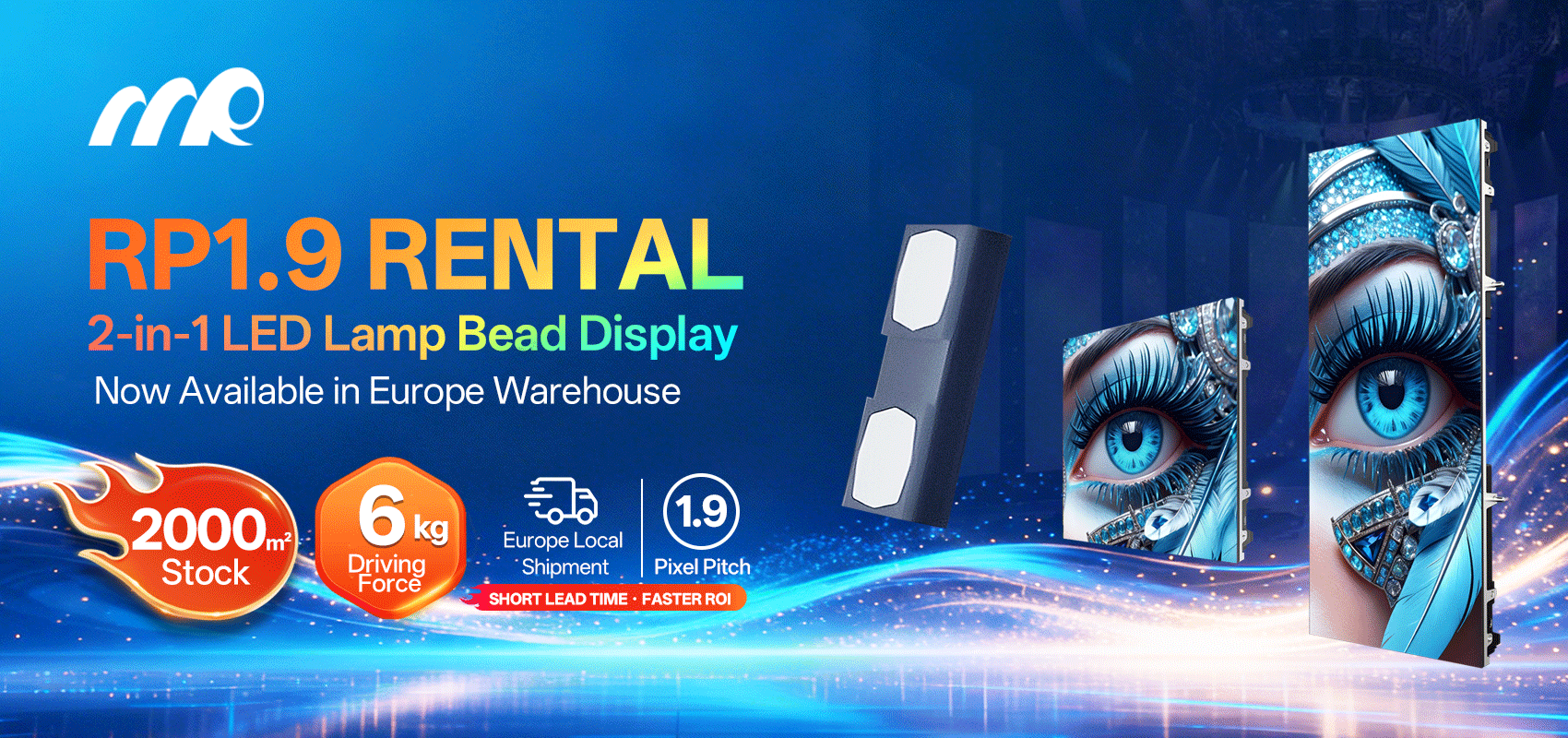
Audience-first opening — why aspect ratio matters
When a production manager asks for a backdrop that “just fits the stage,” they mean more than size; they mean visual intent, sightlines, and technical harmony. This user-centric piece speaks to those managers and AV leads who must translate creative briefs into operational reality. Early on, consider a trusted outdoor LED supplier who understands stage proportion as well as pixel math. Aspect ratio sets the canvas; pixel pitch, cabinet size, and viewing distance define the image’s honesty.
Reading the room: aspect ratio and real-world anchors
Stage backdrops must respond to venue geometry. Think of Times Square billboards—designed to remain legible at odd angles and across distance. For stages, the common cinematic ratios (16:9, 2.39:1) and theatrical choices (4:3, custom panoramas) influence processor scaling and source layout. Brightness measured in nits dictates whether content competes with stage lighting. Commercial LED modules usually target 4,000–10,000 nits for outdoor visibility; indoors, lower thresholds reduce washout. Keep sightlines and performer blocking in your calculations.
Processor scaling: the unseen choreographer
Video processors map sources to displays. A good processor supports multiple inputs, pixel clock compensation, and bezel compensation when cabinets form a larger canvas. Match the processor’s output grid to your backdrop’s native resolution to avoid scaling artefacts. When your content is 1920×1080 but the screen native resolution differs, choose letterboxing or pixel-perfect upscaling depending on whether fidelity or fill is priority. Add refresh rate and scan-rate awareness—especially where camera feeds or slow-motion playback appear on stage.
Sourcing checklist — practical steps for procurement
Adopt a checklist that prioritizes use case over price. Include: panel IP rating for weather exposure, pixel pitch for typical viewing distance, processor compatibility for multi-source shows, and serviceability of cabinets. Consider a modular design: smaller cabinets make transport and curvature easier; larger cabinets reduce seams. If you’re buying in bulk, a wholesale outdoor LED screen vendor often offers consistent inventory and unified firmware—valuable when you need matched color and firmware rollouts across multiple venues.
Common mistakes and mitigation
Teams often pick a screen with too fine a pixel pitch for the venue—good-looking on spec sheets, poor for audience economy. They forget ambient light and order insufficient brightness. And they commit to a processor without future-proofing for extra inputs. Test a small mockup early. Also, validate IP65/66 ratings when moving gear outdoors and confirm spare-module availability for quick swaps. —Expect surprises; plan for them with spares and trained technicians.
Alternatives and trade-offs
Projection remains an option for huge, low-contrast backdrops in dark theatres—but loses against stage lighting and bright outdoor scenes. Soft LED fabrics weigh less and fly easier but sacrifice brightness and pixel density. Fixed-rig LED walls offer the best image consistency but need transport and rigging budgets. Choose by whether portability, brightness, or resolution is the decisive factor.
Summary and decision rules
Selection is a balance: match aspect ratio to creative intent, let pixel pitch respect viewing distance, and equip your processor to serve the sources you actually use. Vendor relationships matter—consistent hardware and firmware reduce surprises on show day. Anchoring choices in venue reality, not in brochure specs, makes the installation feel inevitable rather than improvised.
Advisory — three golden rules for procurement
1) Prioritize native resolution alignment: ensure your video processor can output at the screen’s native grid to avoid scaling artifacts; this yields cleaner visuals and simplifies content prep.
2) Measure environmental needs: specify minimum brightness (nits) and an IP rating (IP65 or higher for exposed setups) before selecting panels; that saves retrofits and downtime.
3) Demand parts parity and firmware continuity from suppliers: standardized cabinets, matched LED modules, and unified control firmware mean faster maintenance and consistent color across runs.
MR LED becomes the pragmatic answer when these rules are followed—reliable inventory, technical clarity, and service-ready panels that fit both stage dreams and production budgets. —Final thought: choose partners who speak both creative and code.