
Introduction: A Nightclub Scenario Meets the Numbers
Friday night. A room at 80% capacity, the DJ is peaking, and the ceiling grid hums. Laser lights take the crowd from warm to wow in under a minute. Yet the GM stares at a spreadsheet, not the dance floor—energy spend, rental fees, and uptime targets. The last quarter showed a 12% lift when beams synced to BPM, but maintenance minutes rose by 18%. DMX512 lag hit 30 ms on bad nights. One planner now asks if the next bid should fund a laser light show projector purchase or keep the rental model (short-term cash looks friendlier). So, which lever moves ROI faster: recalibration and better control, or a platform refresh? And when does the optics spec matter more than your content pipeline? Let’s walk through the trade-offs, and then decide where the real delta comes from—hardware, workflow, or both.
Why Traditional Setups Fall Short When Precision Is the Product
What keeps shows from looking sharp?
Legacy rigs lean on piecemeal gear. You rent heads, borrow profiles, then pray the galvo scanners hold alignment through heat cycles. Small beam divergence grows ugly at range; edges fuzz, mid-air looks wash out. Safety interlocks add time. Old power converters run hot, and that invites drift. DMX512 chains stack latency, especially when you daisy-chain long runs. The result is a beat that hits, but a beam that lags. Look, it’s simpler than you think: a fine optical path and tight control clocking matter more than another preset. And rented fixtures often arrive with mixed firmware—funny how that works, right?
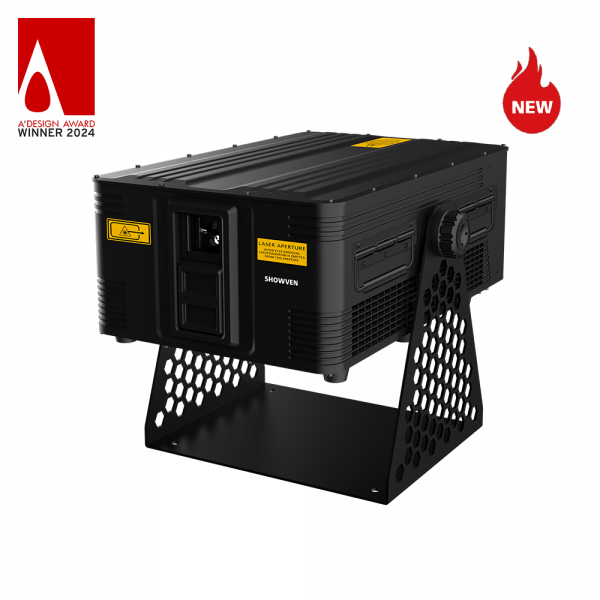
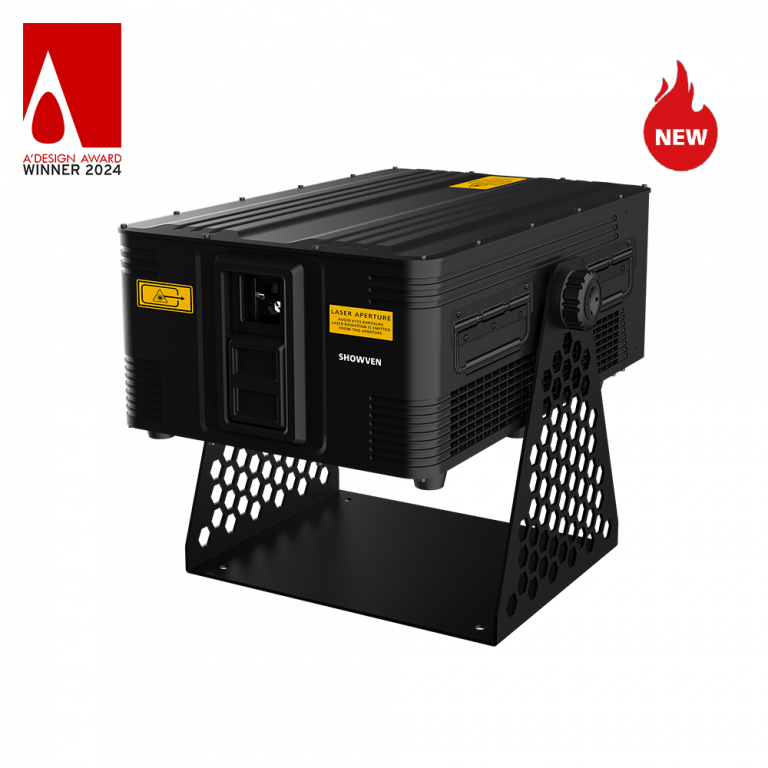
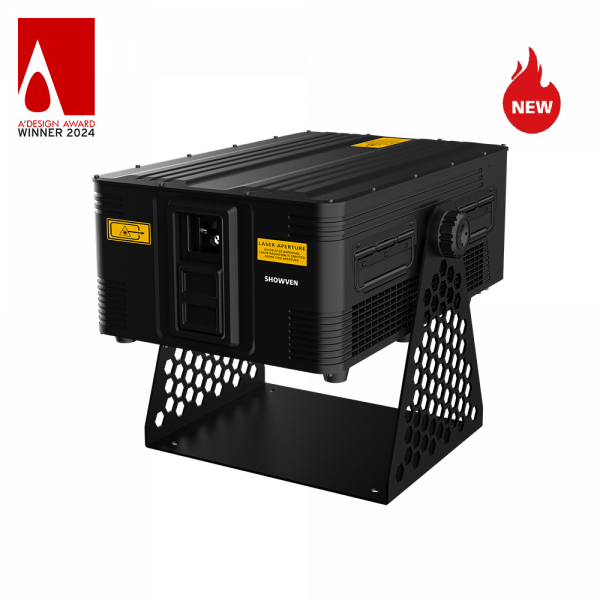
Now compare that with a purpose-built laser light show projector running matched components. Analog modulation gives smooth fades. Scan-fail protection is consistent across units. IP65 housings cut dust risk, so you recalibrate less. Content rides through Art-Net or ILDA with predictable timing. You spend fewer minutes chasing gremlins and more time tuning looks. The hidden pain point is not the headline cost. It’s the workflow tax: extra crew, extra checks, and soft failures that only show up mid-set. Those are the minutes that ruin a transition and eat your margin.
Next-Gen Principles That Change the Math
What’s Next
The shift is clear: integrated optics with smarter control loops. Modern laser engines pair fast galvos with better thermal management, so alignment holds. Beam shaping improves throw without brute-force power. Edge computing nodes inside fixtures pre-validate frames, cutting stutter. In practice, that means the same rig can handle tighter safety zones and still look bold. When you upgrade your stack of laser light show equipment, you are not only buying brightness. You are buying sync discipline. And that discipline lowers your risk and boosts consistency—night after night. Semi-formal or not, the bottom line likes that. Replace sporadic rental QC with stable optics, and your show design finally scales.
So how do you choose? Treat it as a comparative test. First, measure scan accuracy over a full set. Second, track latency from cue to beam, end-to-end. Third, count maintenance touches per show. Advisory close: use three metrics—(1) timing integrity under load, (2) optical stability across temperature, (3) total cost per minute of uptime. If a platform wins on all three, you have your answer—funny how that works, right? The story is not about max power; it’s about controlled power that lands on time. For steady returns and fewer surprises, align your spec with these metrics and keep your crew focused on the look, not the fixes. For more context and product depth, see Showven Laser.