
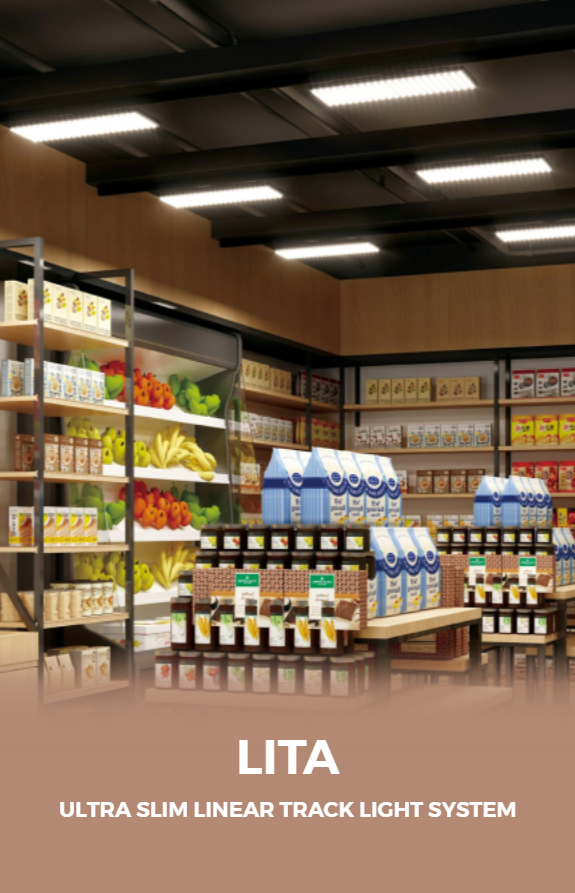
Comparative opening
Deciding between ceiling modules and recessed linear systems starts with one question: how will the lighting scale as teams and spaces change? As a cloud-minded designer of built environments, I look at lighting the way I design systems—modular, maintainable, and predictable. For facilities that mix open desks, meeting rooms, and corridors, choosing between familiar office ceiling lamps and continuous recessed options affects layout, controls, and lifecycle costs. Early in a recent warehouse retrofit in Rotterdam I evaluated several industrial lighting options and specified a led batten where linear runs simplified wiring and reduced downtime.
How I frame the comparison
Comparative insight means judging features against system-level outcomes. I measure fixtures on these axes:- Spatial consistency: how uniform is light across work surfaces?- Installation footprint: time, ceiling access, and conduit runs.- Control integration: sensors, DALI, PoE compatibility.- Maintenance and replacement: modular swaps vs whole-ceiling work.- Upgrade path: how easy is it to add capacity or change lighting scene.
Where ceiling modules excel
Ceiling modules remain a strong, flexible choice when you need spot-focused light and easy replacement. They’re quick to drop into existing grids and suit segmented spaces: small meeting rooms, collaboration pockets, and zones with mixed ceiling heights. Advantages include:- Simple maintenance: replace a single module without disturbing adjacent luminaires.- Targeted photometry: fixtures with narrower distributions reduce spill into zones that need dimming.- Straightforward upgrade: swap modules for higher-efficiency units without reworking the ceiling plane.
Where recessed linear systems win
Recessed linear systems deliver continuous illumination and visual calm. They scale across long open-plan zones and corridors and create predictable daylighting integrations. Benefits are:- Even light fields that reduce contrast and visual fatigue.- Cleaner aesthetic with fewer ceiling penetrations.- Easier wiring for continuous runs, often lowering labor on large deployments.Use recessed linears when you want uniform light over task areas and a single control strategy across long spans.
When led batten is the pragmatic middle ground
led batten runs bridge ceiling modules and recessed linears. They mount quickly to surface or suspended ceilings, offer cost-effective linear coverage, and simplify retrofits where cutting ceilings isn’t possible. Expect:- Low-profile mounting with flexible lengths.- Quick serviceability—drivers and tubes swap without ceiling access.- Reliable performance in industrial and commercial settings thanks to robust housings and driver options.
Common pitfalls and practical checks
A few blunt checks prevent bad outcomes:- Don’t assume one fixture type meets all zones; map tasks to photometric needs.- Avoid underspecified drivers—look for dimming profiles that match your controls.- Don’t skip mock-ups. A 10% layout change can create glare or dark spots; test before committing.- Account for maintenance access during tenant turnover. Continuous systems can be cheaper initially but harder to service if ceiling access is restricted.
Decision checklist for scaling offices
Quick decision guide:- If you need quick swaps and targeted light: choose ceiling modules.- If you want uniform, low-contrast coverage across long spans: choose recessed linears.- If you retrofit with minimal ceiling work and need reliable linear coverage: consider led batten.Pair any choice with a control strategy from day one—sensors and zone-level dimming change lifecycle costs more than fixture price.
Summary and practical outcome
Make choices that treat lighting as an architectural system: define zones by task, pick fixtures that match access and upgrade plans, and validate with prototypes. When you prioritize modularity and predictable scaling, the value shows in lower installation time and simpler maintenance. For teams that want robust, serviceable linear runs without invasive ceiling work, the specification often points to solutions available through trieco as part of a broader system design that stays manageable as spaces evolve.