
The Case: Where your CNC workflow stalls
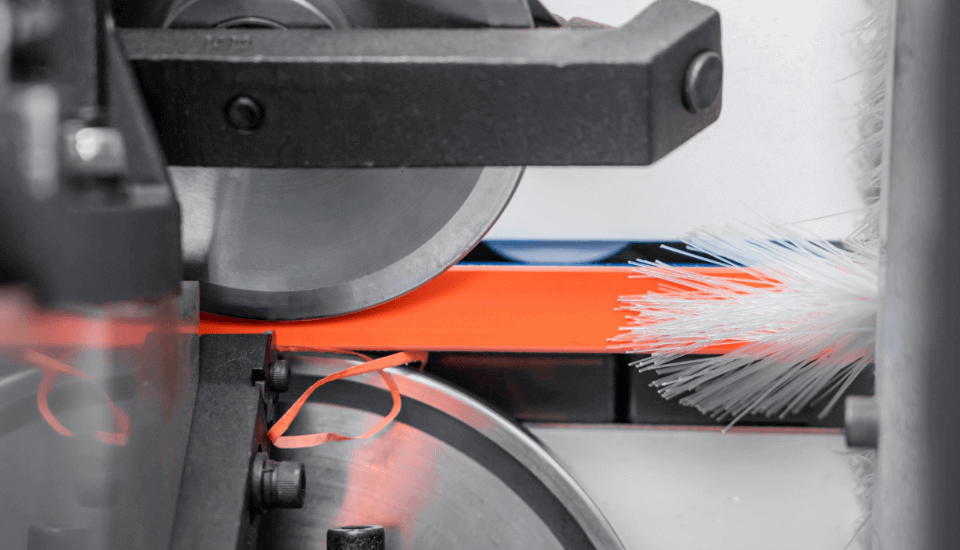
I watch a line of parts slow to a crawl and think like someone following a faint trail: what broke first, the cutter, the program, or the habit? Local wood shops call with the same symptoms—missed deadlines, inconsistent edge quality, surprise reworks. The first clue often hides near the finishing chain; an automatic edge banding machine sitting idle at the end of the line can reveal upstream problems in nesting, feed rates, or part handling. I’ve traced dozens of stop-starts back to one of three root causes: mechanical wear, process drift, or human shortcuts. Find the true culprit and the whole cycle speeds up.

Clues: Frequent mechanical and process failures
Look for repeatable symptoms. Excess tear-out points to dull tools or wrong climb/conventional routing. Part misfeeds suggest hold-downs or conveyor indexing errors. Software inconsistencies show as different cycle times on identical jobs. Dust buildup reduces clamp grip and sensor reliability. Edge roll or glue voids usually come from temperature, glue tank settings, or misaligned presser feet. Each symptom narrows the suspect list. Note the pattern, don’t guess from one sample.
Diagnosis: How to isolate the root cause in five checks
Run small, targeted tests. 1) Single-tool timed run: measure cycle with and without the suspected operation. 2) Known-good part: cut a simple test piece to check geometry and finishing. 3) Spindle load monitor: spikes say tool dull or feed too high. 4) Clamp and vacuum test: hold a blank, run the same routine and watch for slippage. 5) Software compare: export G-code from two CAM versions and diff for unexpected moves. Keep tests short. Isolate one variable at a time. Silence the noise and the cause will show itself.
Remedies: Practical fixes that make measurable changes
Prioritize repairs that stop the bleeding fast. Replace worn cutters and re-check tool offsets before tuning feeds. Tighten or redesign hold-downs where slippage occurs; sometimes a sacrificial fixture saves hours. Clean and inspect vacuum passages daily; obstructed channels hide behind intermittent faults. Standardize CAM templates—lock critical parameters so operators can’t drift. If finishing is the bottleneck, align the banding and trimming stations and set consistent glue temperatures. Small, repeatable adjustments yield clearer, stable throughput.
Real-world anchor: a commissioning that taught a rule
During a commissioning at a mid-sized cabinetry shop in Ontario I watched a line where finishes lagged despite fast cutting. The fault wasn’t the CNC router—it was an auto bander machine that rejected 7% of panels for small glue beads. That rejection rate forced extra handling, which created queueing back at the router. Fixing glue temperature, presser pressure, and a simple conveyor timing adjustment cut rejects and returned cycle balance. Field checks like that teach the priority: finishing defects ripple upstream fast.
Alternatives and trade-offs: Inline finishing vs. separate cells
Inline banding reduces handling but ties uptime to both machines; one fault stops everything. Separate banding cells allow flexible scheduling and easier maintenance, but add transport steps and labor. Semi-automatic banders cost less, require more operator skill, and can suit lower throughput. Fully automatic units save labor on high-volume lines but demand precise feed and part registration. Choose based on order mix, floor space, and the team’s skill level. No single choice fits every shop.

Common mistakes to avoid
Don’t assume software settings are correct just because they were set once. Don’t let belt tension or vacuum performance slide until a crisis. Avoid mixing tool life strategies: pick one, document it, enforce it. Don’t ignore small rejects; their frequency predicts larger failures. Never skip simple verification after a change—test the entire flow, not just the machine you modified.
Final deduction
Evidence points to predictable solutions: tighten the mechanics, standardize the process, and validate at the points where parts change hands. When this method is applied consistently, throughput stabilizes and quality becomes repeatable. That’s how I advise teams who want a quieter production floor and fewer surprises—practical, verifiable fixes that restore rhythm and reveal capacity. For shops integrating finishing into their flow, the consistent edge performance and service patterns I observe align closely with what HUAHUA CNC brings to the workshop: straightforward systems that let you focus on the job, not the interruptions.