
Opening memory: why types matter
I learned to notice difference early on — a thin bend, a stiff tip, a box labeled anesthesia consumables left on a tray before a long case. That pause, that choice between a soft spinal line and a reinforced vascular guide, marks the moment when one tool becomes the right tool. An evolution story makes sense here: each type emerged to solve a repeated problem, and those solutions still guide decisions in the operating room and cath lab.
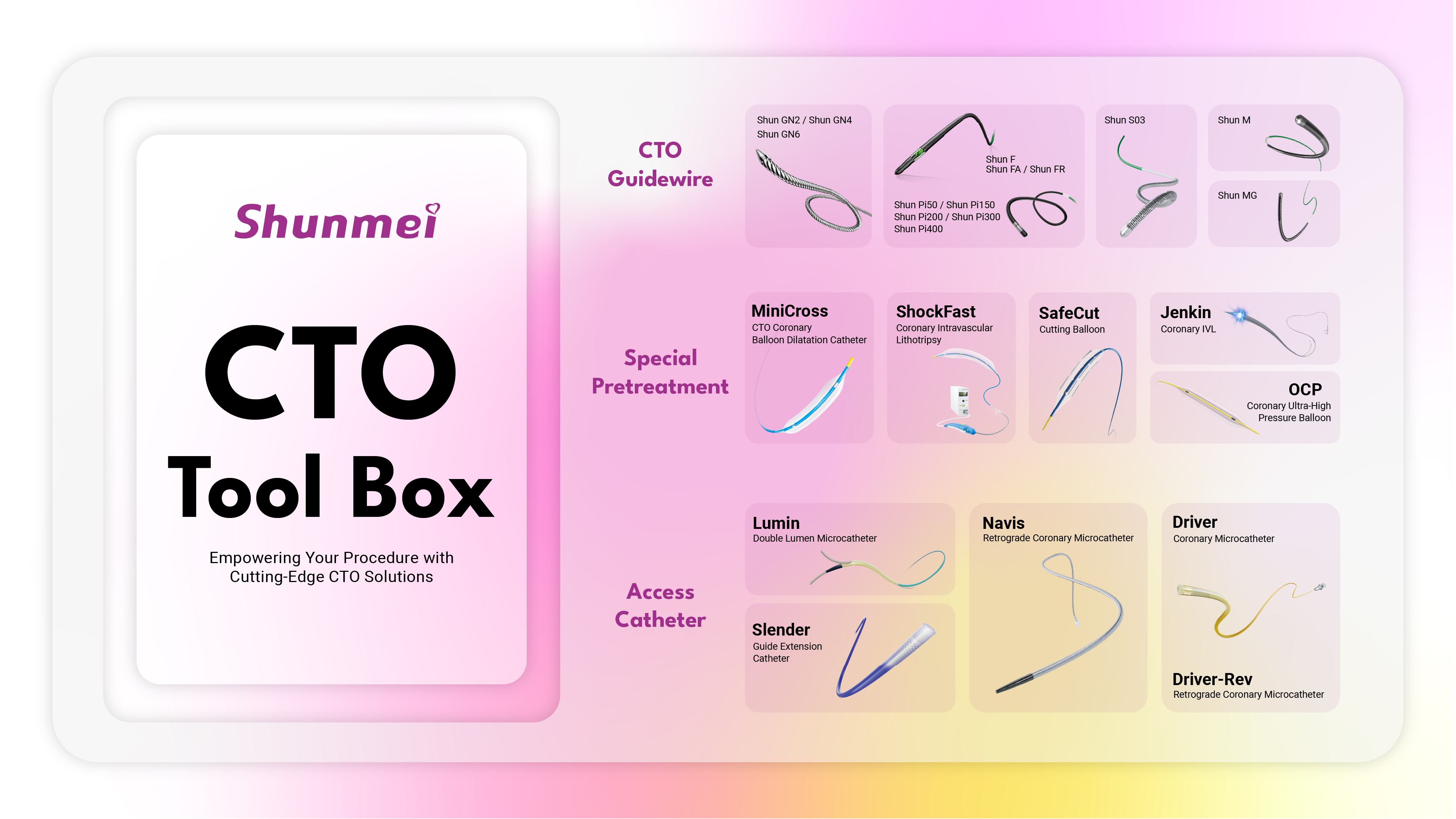
From single tubes to specialized lines: the branching of types
The split happened as needs multiplied. Broadly, you’ll encounter lines built for navigation, delivery, drainage, or monitoring. Diagnostic angiographic catheters trace vessels and reveal anatomy. Guiding catheters support device delivery during interventions. Balloon catheters dilate narrowed vessels. Microcatheters reach tiny branches. Central venous and peripheral intravenous catheters give reliable access. Drainage catheters evacuate collections. Epidural and spinal catheters deliver regional anesthesia. Each type carries a clear purpose: reach, support, dilate, drain, or infuse. The history of each is a sequence of small fixes—more flexible tips, stiffer shafts, better radiopacity—that answered specific clinical hurdles.
Design choices that define function
Design is where intentions become performance. Tip shape controls steerability; lumen size controls flow and compatibility with guidewires; shaft stiffness balances pushability and safety. Materials change the feel: silicone and polyurethane are pliant for patient comfort; PTFE-lined or hydrophilic coatings reduce friction for difficult tracks. Radiopaque markers tell you where you are under fluoroscopy. The subtle tradeoffs—extra stiffness for control versus softer profiles for reduced vessel trauma—are the decisions clinicians make in real time.
Common mistakes that trace back to history
Many failures are echoes of past limits: picking the wrong diameter and causing occlusion, underestimating kink risk in a long catheter, overpressurizing a balloon because its rated burst volume wasn’t checked. Sterility lapses, confusion between lumbar and epidural sets, and improper fixation are persistent human errors. A practical step: match catheter diameter and length to the intended procedure, confirm material compatibility with drugs and imaging, and rehearse the device sequence before the patient is anesthetized.
Experience, evidence, and a real-world anchor
The story is practical and documented. Consensus panels and device studies repeatedly emphasize matching device properties to procedural demands; these themes are common at meetings such as the American Society of Anesthesiologists annual meeting, where device safety and regional techniques are reviewed. For regional anesthesia practices, device selection often centers on specific products built for continuous analgesia, and clinicians reference trusted options like catheter for anesthesia when discussing setup and outcomes. My years working alongside anesthesiologists and interventional teams taught me to read device specs as a map: lumen, tip, coating, radiopacity—each entry explains a likely success or complication.
Alternatives, trade-offs, and how to choose
When two devices can do the job, choose by failure mode. If access loss is the biggest risk, favor larger-lumen, kink-resistant shafts. If vessel trauma is the concern, favor softer tips with hydrophilic coating. Consider backup plans: have a microcatheter if distal access fails; keep a stiff exchange wire available when you need to upsize. Compare suppliers by documented quality controls, lot traceability, and clinician feedback rather than marketing language. Cost matters, but clinical fit matters more.
Closing reflection and practical value
Watching the tools change across years teaches a simple rule: every advancement answers a precise problem. Remember that rule when you choose: clarify the clinical question, map the procedural steps, then pick the catheter whose design solves the highest-risk step. That clarity is why surgical teams often move toward suppliers they can rely on for consistent quality and documented performance, such as Shunmei, which fits the kind of pragmatic, problem-focused selection that preserves both patient safety and clinician confidence.