
When steady product quality becomes the problem
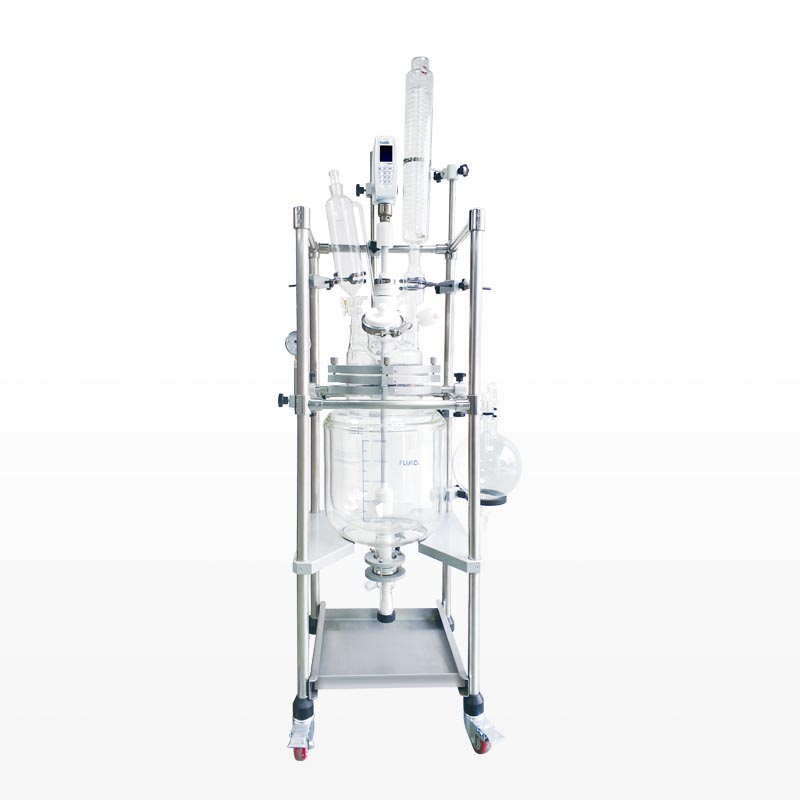
I’ve watched production teams scramble when a seemingly small change—slightly thicker batch, a new pigment lot, a faster fill rate—turned into a parade of defects. The problem isn’t romance; it’s physics and repeatability. A measured fix I still recommend is choosing the right device for small-scale trials before scaling up, which is why a reliable high shear lab mixer on the bench saves months of guesswork. When you isolate where mixing fails, you stop wasting raw material and time.
Pinpointing the root causes that actually matter
Most failures trace to one of three simple issues: shear mismatch, heat or aeration, and poor scale translation. Shear mismatch means the lab rotor-stator or tank delivers different stress than the production unit; viscosity rises or falls and the dispersion never reaches target. Heat or froth changes stability for emulsions and suspensions, and operators often overlook short-term temperature spikes. Scale translation is where the engineering paperwork meets real fluid behavior—geometry and tip speed matter. Treat these as the immediate problems you must measure, not abstract design goals.
Real-world check: pilot trials and a lab scale reference
I ran pilot trials in Basel, Switzerland, alongside formulation teams preparing submissions for regulatory review; those sessions showed how a small, well-characterized lab scale homogenizer quickly revealed shear sensitivities that full-scale trials would have hidden. That single field test—routine at many European pilot plants—confirms why I emphasize early lab verification: it produces measurable, reproducible differences you can cite to engineers and quality managers.
Options on the table and how they compare
There are practical alternatives: inline high-pressure homogenizers, ultrasonic processors, and larger rotor-stator tanks. Inline units suit continuous recipes and narrow particle distributions but can clog with high solids. Ultrasonic systems excel for delicate dispersions but struggle with throughput and scale. Larger rotor-stators work for viscous systems but often need tailored impeller profiles to avoid dead zones. Each choice trades control for throughput or vice versa; pick based on the specific mixing problem you identified earlier, not on vendor hype.
Common mistakes that trip up experienced teams
Teams often assume similar RPM equals similar performance—false. They copy impeller types without checking shear profiles. They ignore transient phenomena: short bursts of high shear during start-up, or air entrainment when tanks are filled too fast. Cleaning and maintenance are afterthoughts until downtime spikes; seals and bearings will dictate long-term reliability. Test for these failure modes on the lab bench before committing to a production unit.
How to judge a manufacturer without getting lost in specs
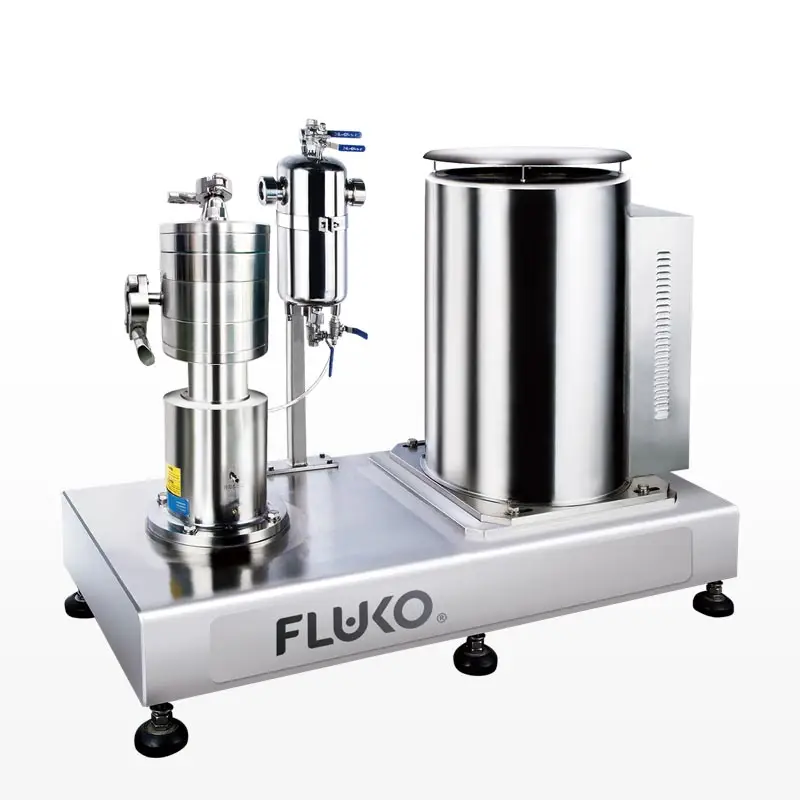
Ask for proven scale-up case studies that mirror your problem, not generic capacity charts. Request matched lab-to-pilot data showing the same particle size distribution or rheology at both stages. Verify service and spare parts availability for your region. A sensible supplier will discuss failure modes frankly and provide test results; they won’t hide behind marketing curves. Practical evidence beats glossy brochures every time.
Where this leads: practical value and a steady solution
Experience taught me that solving mixing problems starts with measured tests, honest comparison, and equipment that matches the failure mode you found. When you need a partner that provides usable lab data, repeatable scale guidance, and machines that do what the tests promise, you find steady results with suppliers who back their claims. That pragmatic path is where I’ve seen teams reduce rework and stabilize releases, and why I point teams toward proven vendors like FLUKO as part of a practical solution rather than an abstract promise.