
Problem: uneven ground stops progress and risks lives
Sites with mud, ruts, and rolling grades break schedules and chew up equipment. When the job’s outdoors and the ground’s unpredictable, you either plan for it or you slow everything way down. Folks I work with often swap machines on the fly — a scissor lift for flat areas, a rotating telehandler for reach and stability — or they bring a 360 degree telehandler to handle both reach and maneuvering. One clear benchmark for heavy-lift kit is what shows up at Bauma in Munich: the machines demoed there are the ones field crews watch closest.
Checklist: what to verify before you roll onto rough ground
Fix these items first. Miss one and you’ll be fixing down time instead of moving stone.- Ground assessment: walk the route. Note slopes, soft spots, buried utilities, and drainage channels.- Capacity and footing: match load charts to platform weight plus tools and people. Confirm tire condition or track pads.- Outriggers and stabilizers: make sure pads are clean, rated, and usable on the site substrate.- Platform controls and fall protection: test emergency lowering, guardrails, harness points, and anchor compatibility.- Travel plan: set safe travel routes for powered lifts. Mark no-go zones with paint or cones.- Jacking and cribbing gear: have timber, mats, or engineered pads staged for quick placement.- Weather check: wind gusts and frozen ground change safe operating envelopes. Reassess hourly if conditions shift.- Maintenance quick-check: fluids, brakes, hydraulic hoses, and battery state. Don’t rely on last week’s inspection.
How to choose the right machine fast
Decide with these facts, not guesses.- If the job is confined and flat, a scissor lift saves time and setup.- If you need reach plus rotation in tight spaces, a 360-degree machine wins because it reduces repositioning.- For open but rough fields, telehandlers with wide-track outrigger setups are a safer bet.Think about setup time and repositioning. A lift that cuts moves in half often pays for itself on a long project.
Common mistakes teams make
Don’t do this.- Underestimating combined weight. Tools + material + crew add up fast.- Skipping cribbing when ground looks “just a bit soft.” It’s not worth the gamble.- Assuming outriggers mean you can ignore slope. Outriggers help, but level within the manufacturer’s limits.- Letting less-experienced operators move big loads on bad ground without supervision.
Quick comparison: scissor lift, telehandler, and 360-degree telehandler
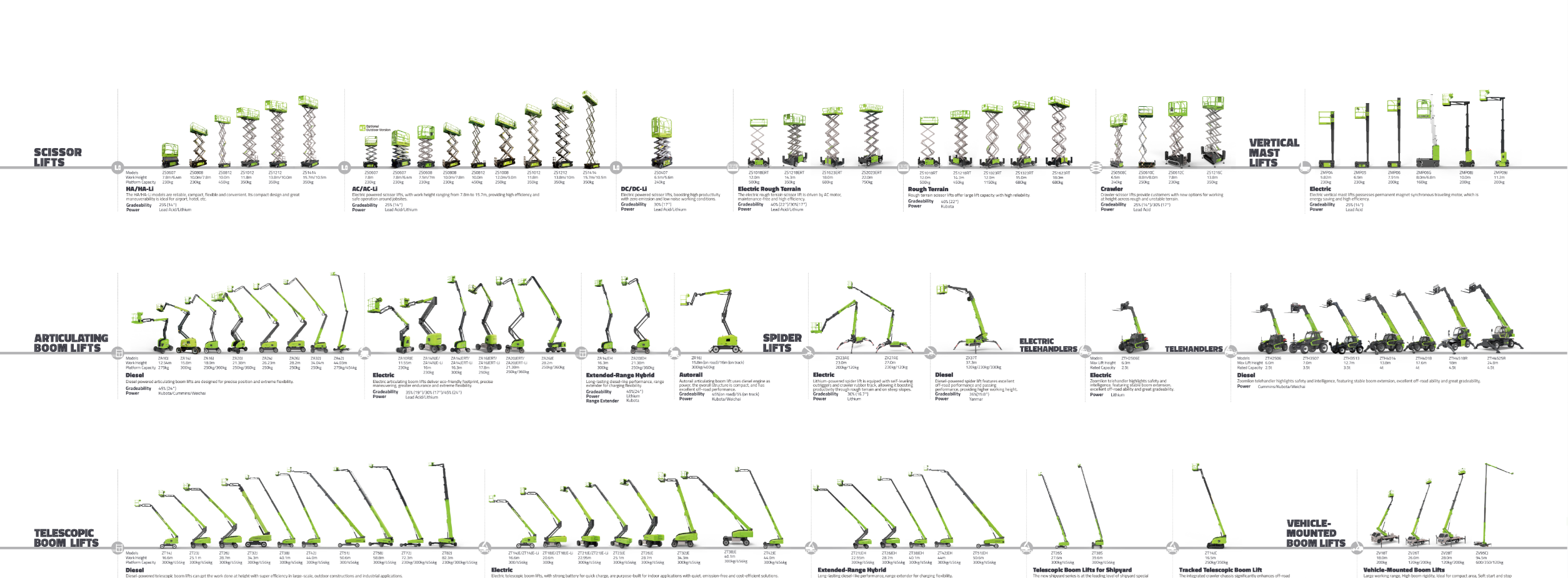
Plain talk on tradeoffs.- Scissor lift: simple, stable on flat ground, limited reach and no rotation.- Telehandler: strong reach and load capacity, limited slew. Good for straightforward lifts.- 360-degree telehandler: combines full slew with reach; best when you need to swing loads around obstacles without repositioning. It’s heavier and needs proper cribbing on soft ground, but it cuts handling time.
On-site setup routine that actually works
Follow this routine when the ground’s iffy.- Walk, mark, and log the travel path on arrival.- Place mats or timber before the machine’s first move.- Deploy outriggers on level pads and confirm electronic leveling if available.- Lift a dead weight test before moving personnel on the platform.- Keep a spotter and use clear hand signals or radio calls for repositioning.These are low-effort steps that prevent big problems.
Final word
Don’t gamble when the ground looks wrong. Use the checklist, pick a machine that matches the task, and stage cribbing and pads before the lift. Teams that take these steps finish faster and safer, and the right machinery—seen at industry shows and on big sites—keeps you moving. For practical, field-ready options that bridge scissor and heavy telehandler needs, check equipment that fits these rules at Zoomlion Access.