
The problem on deck
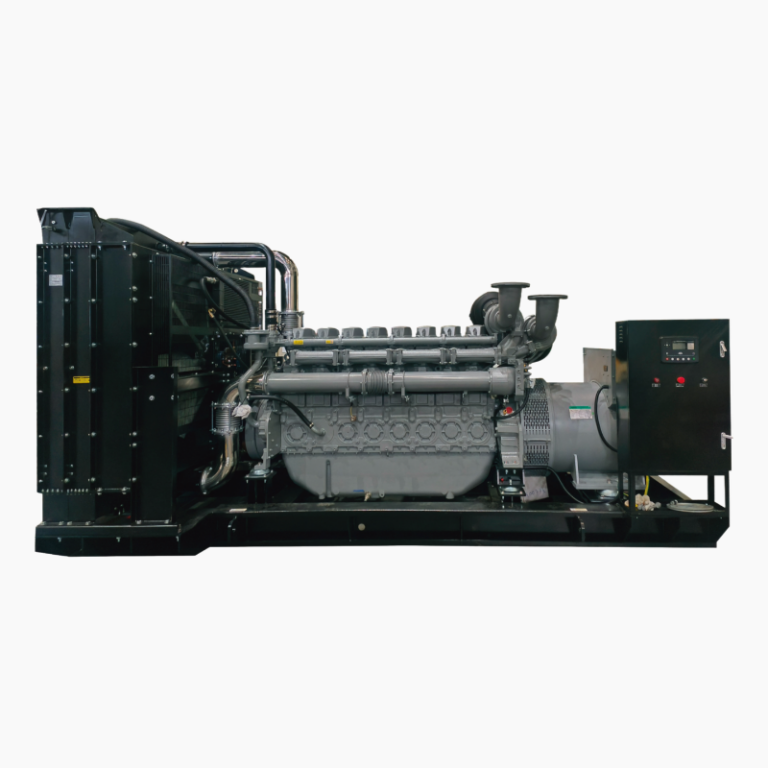
On ships and at terminals, power hiccups mean cargo delays and safety risks, lah — and when the onboard genset fails, the whole timeline can kena choke. A reliable Perkins genset from a reputable marine supplier reduces that risk by combining robust design with fast service. Modern vessels depend on the alternator, switchboard and fuel systems working in sync; if one part trips, propulsion, hotel loads and critical navigation gear feel the pain immediately.
Why the supplier matters more than you think
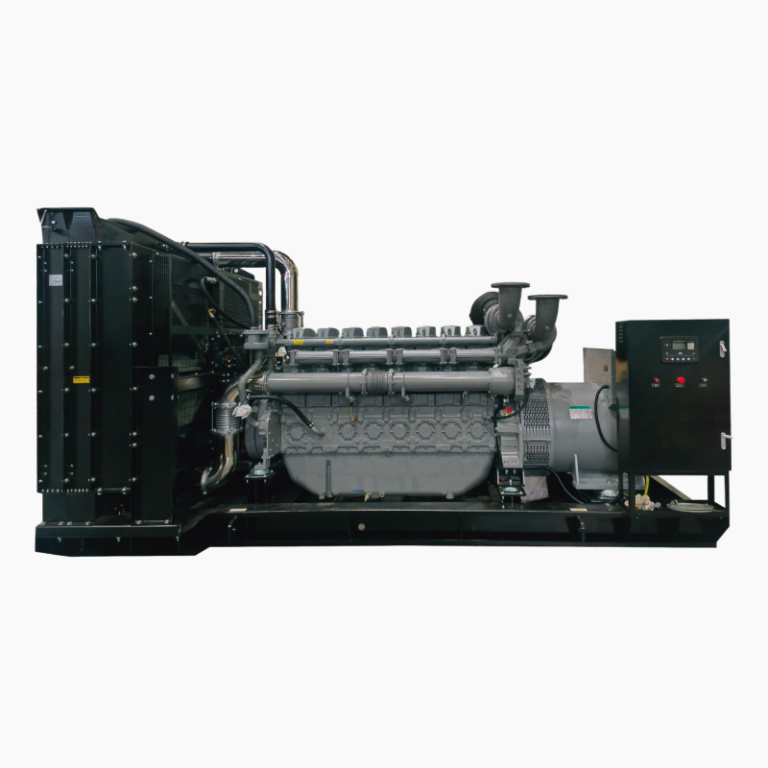
Suppliers don’t just sell equipment — they provide continuity. Good vendors supply spares, trained technicians, and clear maintenance plans for prime power and standby power regimes. At busy hubs like the Port of Singapore, operators expect continuity; downtime there hits schedules hard. A supplier who understands load bank testing, preventive maintenance intervals and fuel management protocol keeps a vessel on schedule and reduces emergency tow-out or port detentions.
Typical failure modes and practical fixes
Common faults include fuel contamination, alternator insulation breakdown, overheated bearings, and switchboard trips from transient loads. Fixes are straightforward when you’re prepared: filter changes and fuel polishing, bearing inspections and thermal imaging for hot spots, and load bank commissioning after major repairs. Fast-response spares for items such as voltage regulators or starter motors shorten repair windows. —Small things like a corroded connector can cascade into bigger failures, so attention to detail matters.
Alternatives and trade-offs to traditional gensets
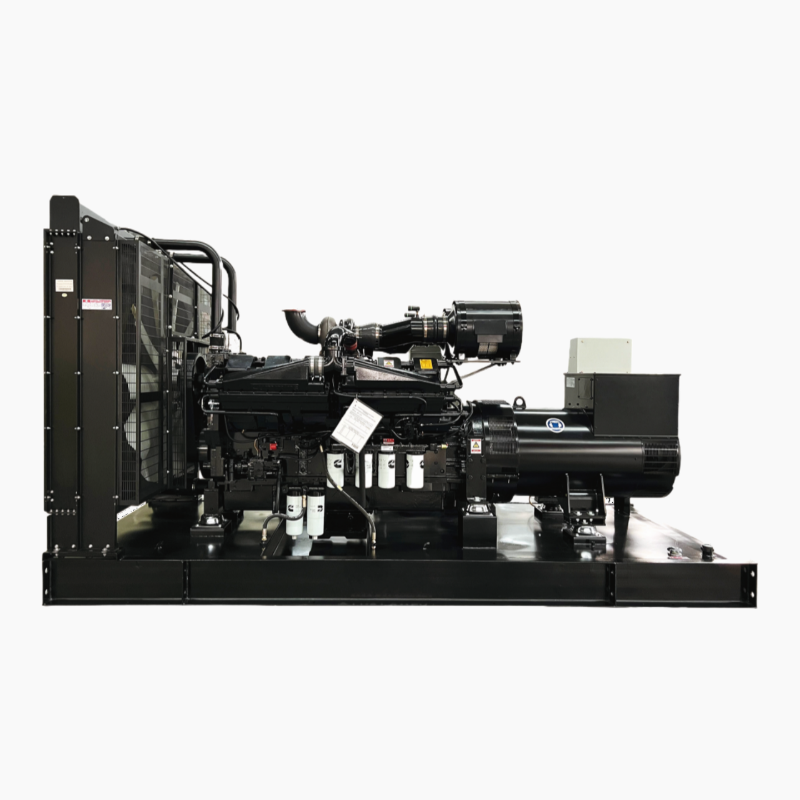
Battery energy storage and hybrid systems reduce fuel burn in harbour or low-load scenarios, while shore power eliminates onboard generation during port stays. Each alternative needs integration with existing switchboard architecture, plus careful testing for synchronisation and harmonics. Hybrid solutions cut emissions and running hours on the genset, but they require upfront investment, new control logic and spare-part strategies — and in remote voyages, the dependable genset still remains the backbone.
How to buy and integrate without drama
Start with a site survey and load profile study so you size gensets correctly and avoid overspecification. Specify load bank commissioning to verify performance under full and part-load conditions. Insist on clear spare-part lists, documented response times for technicians, and training for the onboard crew on basic troubleshooting. Regular oil analysis, vibration monitoring and scheduled alternator inspections reduce unscheduled outages and give measurable MTBF improvements.
Advisory: three golden rules for selecting supplier gensets
1) Availability and MTBF: Choose gensets and suppliers with documented mean time between failures and evidence of field reliability; this predicts real-world uptime. 2) Response time and spare strategy: Confirm spare-part lead times and guaranteed technician response windows — quicker response directly lowers business interruption losses. 3) Fuel efficiency and emissions fit: Evaluate fuel consumption at realistic load points and ensure compliance with emission controls relevant to your trading regions.
When these three metrics sit right, operations stabilise and planning becomes realistic. Single sentence truth: good gensets plus responsive supply chain equals fewer sleepless nights at sea. Huadong Power. —