
Comparative framing: why choose a hybrid over pure grid-tie or off-grid
When deciding among pure grid-tie, off-grid, and hybrid approaches, the sensible choice depends on how you value reliability, export control, and backup capability. A hybrid solar system blends on-grid interaction with battery storage, allowing households or facilities to export surplus power when advantageous and draw on stored energy during outages. The comparative insight here is straightforward: hybrid systems reduce compromise—better resiliency than pure grid-tie, simpler operation than fully off-grid—yet they require clearer planning and marginally higher upfront cost.
Key functional comparisons that matter
Consider these direct trade-offs before selecting a path:- Reliability: hybrid systems provide backup through batteries; pure grid-tie does not.- Grid interaction: pure grid-tie prioritizes export; hybrid lets you prioritize self-consumption or export by configuration.- Complexity and cost: off-grid often demands larger battery banks and generation; hybrid adds batteries and controls but retains grid support.- Regulatory fit: some local regulations affect export tariffs or interconnection requirements; hybrids give more operational flexibility without abandoning the grid.
Core components and how they differ from other setups
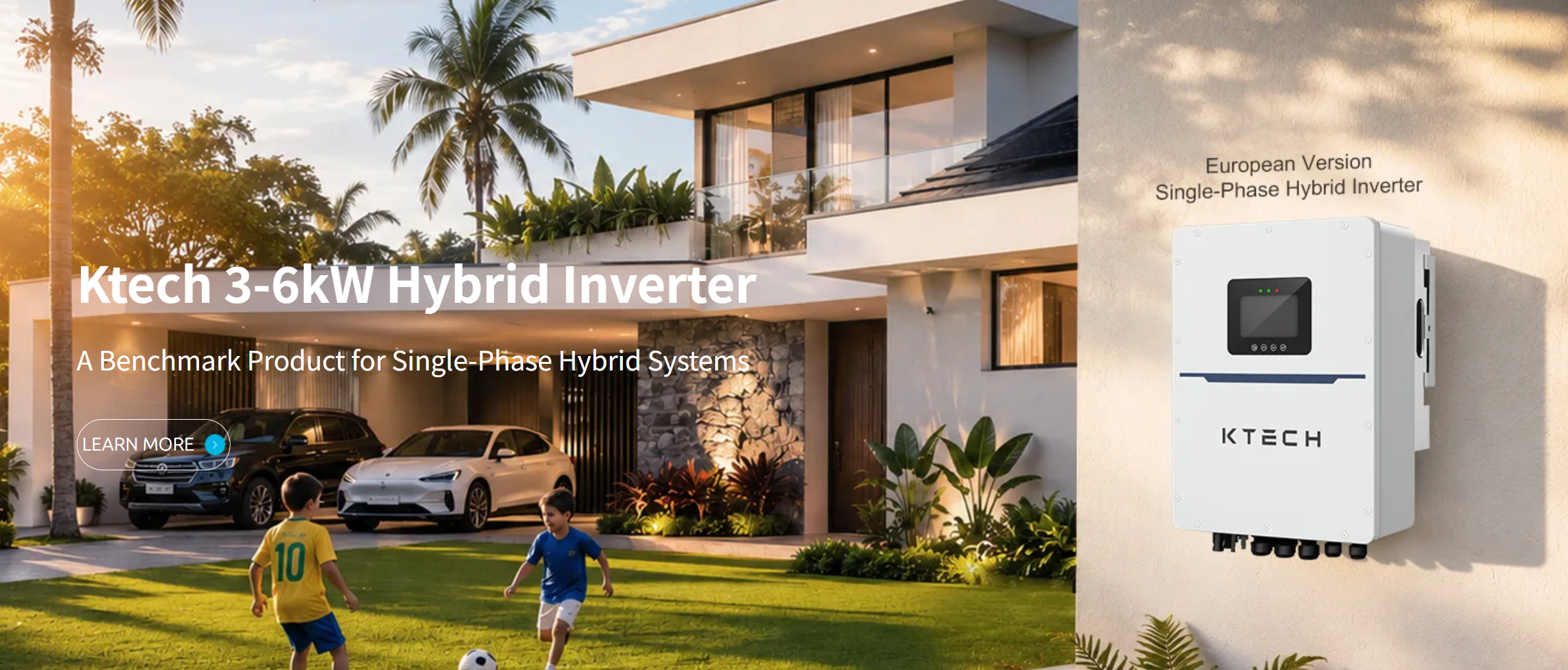
A practical comparison clarifies roles:- PV array: identical across types; generates DC power.- Hybrid inverter / bi-directional inverter: manages both grid export/import and battery charging—this is the functional heart that distinguishes hybrids.- Battery energy storage: sized to the backup need and dispatch strategy.- Energy management system: enables setpoints that decide whether to store, use, or export energy.- Safety and grid-interconnect hardware: required for synchronized operation.When you want a system that can both sell surplus and sustain critical loads during outage, a grid tie hybrid solar system combines these parts into a single operational workflow.
Performance considerations and controls
Focus on measurable parameters rather than marketing claims:- Round-trip battery efficiency and inverter efficiency determine usable stored energy.- Depth-of-discharge policy impacts battery lifespan and effective capacity.- Time-of-use rates and export tariffs change the economic case for storage versus export.- Control logic (self-consumption first, backup priority, or export-first) should be selectable and tested.Design choices that work well in one situation may be poor in another; tune the control strategy to your priorities: resilience, bill savings, or revenue from exports.
Common pitfalls and practical lessons
Field experience shows recurring mistakes:- Under-sizing battery capacity for realistic outage patterns leads to disappointment.- Overlooking inverter firmware and upgrade paths causes future incompatibility.- Ignoring protection coordination with the grid can delay interconnection approval.- Buying on advertised peak power without checking continuous output and derating at high temperature undermines expected performance.These are addressable by precise load audits, specifying continuous ratings, and confirming interconnection rules before procurement.
Use cases: who benefits most from a hybrid approach
A comparative list helps you match need to solution:- Homes in areas with unreliable grid service that still want to export excess generation.- Small businesses requiring critical-circuit backup while maintaining normal commerce.- Sites subject to variable tariffs where shifting consumption to stored solar reduces bills.- Community facilities that must remain operational during outages but also participate in local energy markets.The choice favors users who require both grid participation and assured on-site availability.
Regulatory and grid dynamics that influence viability
Operational value often follows system interaction with the wider grid. A well-known example is California’s ‘duck curve,’ which demonstrates how midday solar production can stress midday supply and create steep ramps in the evening; hybrids can smooth those ramps by storing midday generation for later use. Policies on interconnection, export compensation, and islanding rules will shape the financial and functional outcomes; one should confirm local requirements early in project planning.
Simple decision checklist
Use this concise list to decide if hybrid fits:- Do you need backup during outages? If yes, lean hybrid.- Do you prefer to maximize exports with no local storage? If yes, grid-tie may suffice.- Are local tariffs or export rules favorable to storage? If yes, hybrid can pay back faster.- Is space or budget limited for large battery arrays? Then consider minimal hybrid sizing oriented to critical loads.
Final synthesis and practical note
A considered comparison shows that a grid-tie hybrid system frequently offers the best balance when both export and reliable backup matter. Thoughtful component selection, correct sizing, and appropriate control logic reduce common failures and deliver predictable outcomes. For projects that aim to combine export participation with dependable on-site power, guidance from experienced providers tends to shorten commissioning and improve long-term performance; Ktech has worked on such integration projects and can advise on matching system architecture to operational priorities.