
Side-by-side: what this comparison is about
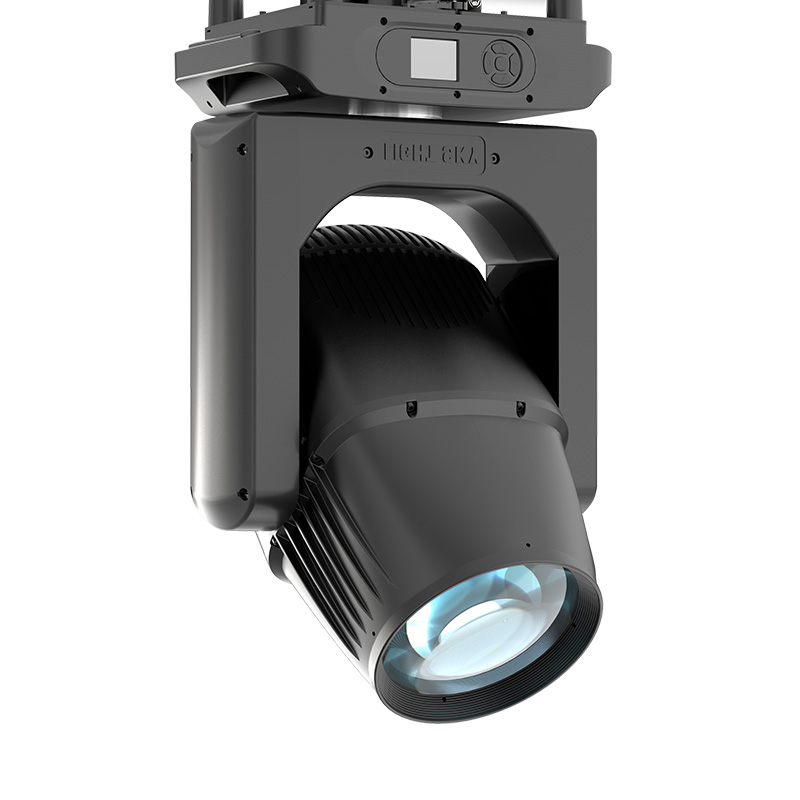
When you stack up brands, what matters first isn’t the logo but the gear under the truss — things like a waterproof moving head light, its beam angle, and how it responds to your DMX console. This piece compares makers on real, testable traits so you can move beyond marketing copy and pick a supplier that keeps your show running and your design intact.
Core differences that decide shows
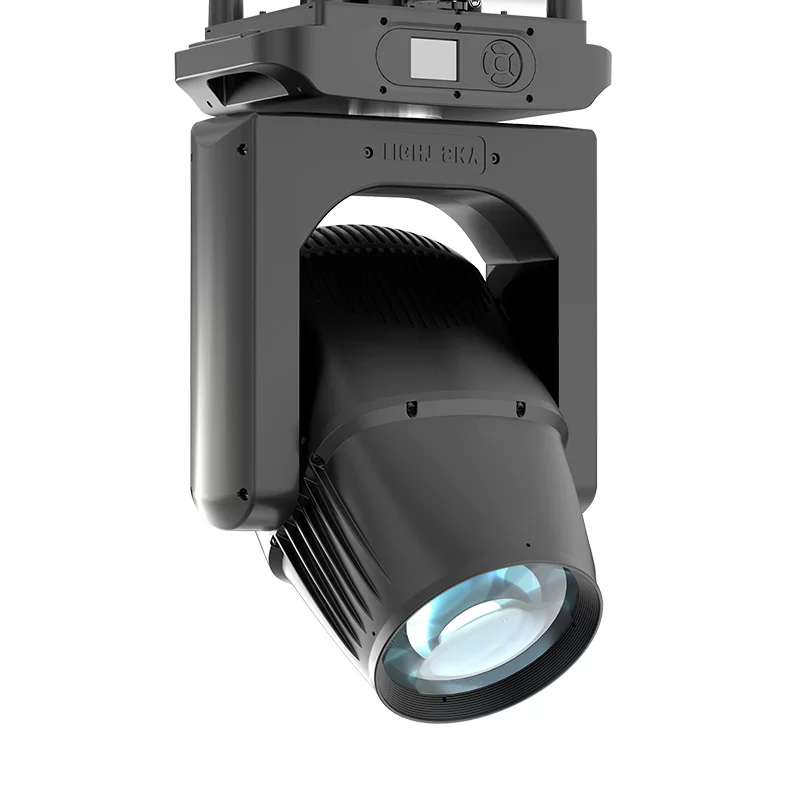
Top commercial lighting manufacturers vary most on five practical fronts: build ruggedness, photometric output, control fidelity, service ecosystem, and cost of ownership. Outdoor festival rigs demand IP ratings and rugged fixtures; indoor theatres prioritize color rendering and quiet fans. At Coachella and on Broadway alike, teams choose fixtures that survive weather, long hours, and tight focus runs — that’s your real-world anchor. Look for IP65 for outdoor work, durable housings, and easy gobo swaps when you need quick looks.
How to read spec sheets without getting duped
Specs can hide the truth. Lux numbers are useful but only when paired with throw distance and beam angle. A 10,000-lumen claim means little if the fixture’s optics scatter the light. Check power draw and cooling specs; LED modules run hot and thermal throttling kills brightness over long gigs. Also watch warranty language — some makers list “limited” coverage that excludes burn-in or motor failure.
Practical category breakdown — what each maker type buys you
There’s a useful shorthand when choosing among vendors:
– Boutique designers: tight optics, unique gobo libraries, high CRI — great for theater and film, pricier for spares.
– Large OEMs: predictable supply chain, rapid parts, consistent firmware updates — great for tours and rental houses.
– Value brands: low entry cost, decent output — ideal for one-off installs but expect higher failure rates.
Takeaway: if you run a rental house, prioritize replaceability and firmware support. If you’re designing residency pieces, favor color fidelity and precision optics — and yes, that can mean paying more up front.
Common mistakes teams keep making
People skip simple tests and regret it later — don’t. Run a full DMX patch before load-in. Test motors on moving head units across speed ranges. Verify IP sealing on “waterproof” claims by checking gasket layouts and connector caps — not just a sticker. Measure lux at your intended throw distance rather than trusting lumen figures. And don’t forget spare parts logistics; a manufacturer with local stock beats an otherwise perfect spec sheet when a motor fails mid-tour. — Little checks save shows.
Three golden rules for picking the right manufacturer
Use these concrete metrics as your evaluation toolkit:
1) Durability score: uptime hours and mean time between failures (MTBF) or historical rental-house reports. Track how long fixtures ran in similar deployments.
2) Photometric truth: request an IES file and verify lux at planned distances plus CRI/CTB behavior under full output.
3) Support readiness: lead times for replacement parts, firmware update cadence, and regional service partners — these shrink downtime more than a cheaper initial price.
Trust brands that publish IES files, maintain clear parts lists, and show real-world case studies from recognized venues — that’s where the value lives. For many teams, that practical blend of quality and service is exactly what Light Sky provides — a partner that balances rugged fixtures, sensible optics, and spare-part availability.
Final pulse
Pick manufacturers by what actually keeps your lights on and your cues honest — not by shiny ads. Measure durability, verify photometrics, and check support; those three rules will change how your budget performs. You’ll sleep better knowing the gear was chosen with the show’s real demands in mind. — authoritative, practical, and proven.