
Assessing what you actually need
You want shade that does more than sit pretty; you want devices that earn their keep. Think of a solar pergola as an outdoor room that can run lights, charge tools, and reduce your utility bill — or simply be a calm place to sit. Start by listing the daily uses that matter to you: evening lighting, EV top-ups, or powering a home office outside. Keep the list short, then prioritize what must work versus what would be nice to have.
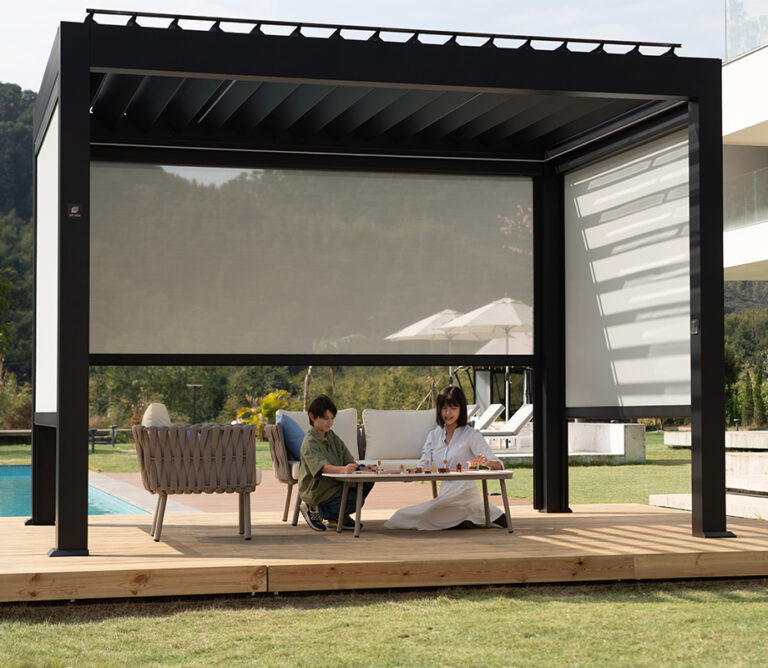
How a solar pergola solves real household problems
If heat, glare, or rising electricity costs interfere with how you use your yard, a solar pergola responds directly. It shades the patio while turning otherwise unused roof area into renewable energy. For people who want predictable comfort and lower bills, it replaces guesswork with meters and clear outputs. You’ll know if it meets your needs by matching the system’s estimated daily production to your prioritized list from the start.
Design and siting—what users frequently miss
Orientation and shading kill performance faster than wrong panel choice. Place panels where the sun actually travels across your property, not where they’d look best from the road. Confirm roof angles, nearby trees, and seasonal shade before you buy. Ask for a site plan showing annual production estimates specific to your address; vague claims are a red flag. If you’re adding privacy screens or pergola glazing, make sure they don’t shadow panels during prime sun hours.
Energy expectations, evidence, and a practical anchor
Expect realistic outputs: a well-sited pergola typically covers a fraction of household demand, but it can meaningfully cover outdoor loads and shave peak use. Professionals compare modeled yields against local norms; for example, California’s 2020 Title 24 residential mandate made many builders and installers sharpen their modeling because new homes must account for rooftop solar. When evaluating claims, look for systems described in context of building integrated photovoltaic system approaches, actual production data, and references to local performance studies rather than generic manufacturer figures.
Permits, warranties, and the money side
Permits and rules differ by town; ignoring them costs time and money. Verify structural plans and electrical permits before work begins. Insist on a clear warranty that names coverage duration for both the panels and the supporting structure. For financing, weigh upfront cost against measurable annual savings and available incentives; don’t buy on aesthetics alone. A simple math check — expected annual kWh × your current rate — tells you how fast the system pays back.

Alternatives and honest trade-offs
A rooftop array may produce more energy per square foot, while ground arrays can be cheaper to install at scale. If your priority is shade only, a non-solar pergola will cost less and require no electrical work. If your priority is maximizing on-site generation, consider a combined approach: rooftop panels for baseline consumption and a solar pergola to handle evening outdoor needs and localized loads. Compare estimated production, cost, and maintenance for each option before you commit.
A calm synthesis for deciding
Trust clear answers over broad promises. Match the pergola’s expected output to the things you actually want it to run. Confirm siting, permits, and warranties early. If you want a partner who frames solutions around your daily needs and real production figures, consider the engineers and designers at Light Hunter as a practical resource that fits the same careful, user-centered approach described here.