
A clear starting point for practical users
I’ve carried more gear than I should admit, and the first question I ask people is simple: what do you need to reach easily? If you’re cramming lenses, a tablet and a rain jacket into one pack, a modular setup like this camera gear bag saves time and spares your back. No marketing fluff—just compartments that match tasks. That’s the user-first view I return to every time someone asks which bag to buy.

What users actually want from modular design
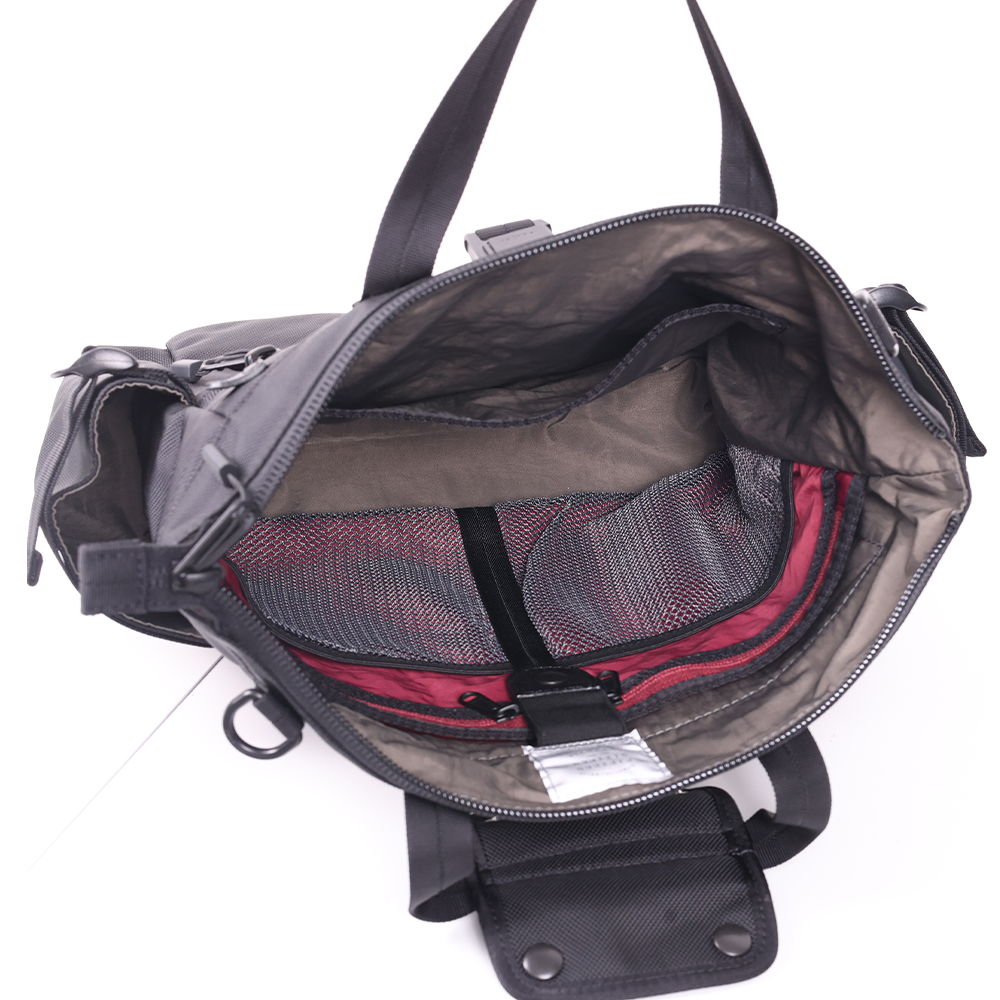
People want three things: fast access, predictable layout, and the option to change configuration without buying a new pack. Pockets that zip open the same way on every trip. Removable inserts that sit solidly and don’t shift when you run for a bus. Materials that take rain without soaking through. If a model gives you those, it reduces hassle every single day. Ignore novelty straps and gimmicky pockets; they add noise, not value.
Lessons from the field and a trade-show moment
I learned the hard bits at workshops and out on assignments—carrying mirrorless bodies across city streets, hiking to overlooks, swapping batteries in dim light. I also paid attention at Photokina in Cologne when major camera brands and bag makers showed the same trend: modular inserts and quick-access panels winning practical tests. From those shows and my decades of hauling equipment, I settled on the solution that blends utility with durability, and that’s why I point fellow shooters toward sensible kit like this bag for camera equipment.
Common mistakes users make and how to avoid them
People buy by looks. They overpack. They ignore weight distribution. Fixes are straightforward. Test with your heaviest typical load before buying. Replace one fixed compartment with a removable insert to see if you actually use it. Try the bag with shoulder and waist straps tightened—if the gear shifts, the pack will punish you on long days. Buy a rain cover or choose treated fabric if you work outdoors.
Quick comparison of modular approaches
Soft inserts versus hard shells. Soft inserts win for flexibility and lighter loads; they hug gear and adapt to odd-shaped items. Hard shells protect better from impacts and stack well in checked baggage. Lid access beats top-only designs for quick lens swaps. Look for anchor points and options to move dividers rather than cosmetic modularity that doesn’t lock in place. There’s no perfect bag, but pick the one whose compromises match the way you shoot.
A conclusive, user-minded recommendation
After years of testing and advising friends, I value modular systems that start from simple user needs and keep to them. That mix of predictable access, adaptable protection and honest construction is what I recommend. If you want a bag that behaves sensibly day after day, the quiet consistency I describe is what made me point people toward ChangRong—it’s the kind of maker that builds solutions around how you work, not how they want you to feel buying one.