
Why the Stakes Are Rising (And the Room Is Listening)
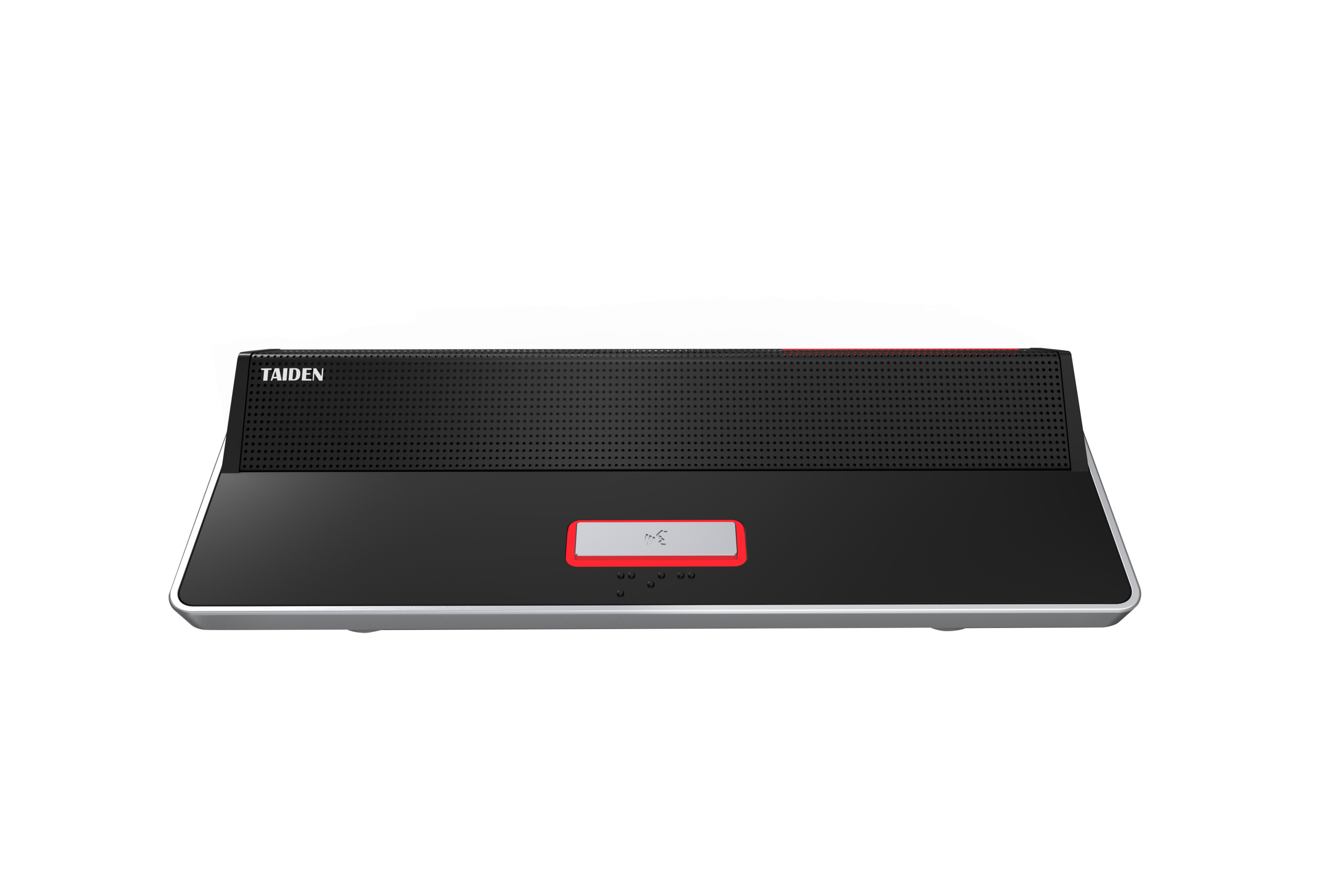
Meetings don’t break down because people can’t think—most break down because people can’t hear. Your conference room mic system sets the tone before anyone starts talking. Picture this: a hybrid team, two late joiners, one side chat, and a glass-walled room that bounces voices like a pinball. Studies keep pointing to the same thing—audio issues drive more than a third of meeting fatigue. Now ask yourself: how many decisions get slowed down by “Sorry, could you repeat that?” With high-end digital conference equipment, the promise is clear: smarter signal flow, efficient DSP, and consistent pickup across seats. But does the setup actually solve your daily pain, or just add more boxes and firmware to babysit (you know the drill)? Look, it’s simpler than you think—if you focus on the right layers.

Real talk, the challenge ain’t just volume—it’s clarity under pressure. If the beamforming array can’t lock on, if acoustic echo cancellation (AEC) isn’t tuned, if your latency budget slips, the whole room feels it. Hybrid doesn’t forgive sloppy SNR or messy gain staging. So here’s the question: are we designing for the room we have, the voices we host, and the calls we run—or just chasing specs on a datasheet? Let’s break the problem down and get specific, then build back up to what actually works next.
Under the Hood: Hidden Pain Points Traditional Setups Miss
Where do old fixes fall short?
Traditional systems stack more mics, add ceiling arrays, and pray the DSP can clean it all. That’s a patch, not a plan. In real rooms, airflow hum, laptop fans, and side speech create overlapping lobes that blur intelligibility. Add mixed furniture layouts and you get uneven pickup—front row sounds crisp, back row sounds like a hallway. The pain point isn’t only noise; it’s inconsistency. People learn the mic’s “safe zones,” talk less when they’re unsure, and remote teams disengage. QoS on the network may be fine, but the room’s acoustic map isn’t. Even with phantom power and PoE switches humming, the signal chain can’t beat bad geometry—funny how that works, right?
Here’s the deeper layer many miss: governance and tuning. If there’s no clear policy for role-based mic priority, no presets for different meeting modes, and no real-time AEC diagnostics, quality drifts. Without per-seat gain profiles and adaptive dereverberation, you’re always one swivel chair away from mushy audio. And when firmware updates live on a “whenever we remember” schedule, devices fall out of sync. That gap is where even “premium” setups lose the room. High-end digital systems should be judged less by the spec sheet and more by their ability to auto-adapt—acoustic self-calibration, dynamic beam control, and latency-aware routing that maintains lip-sync across UC platforms. Get those right, and the room starts working for you, not against you.
Forward-Looking: Principles That Make the Difference
What’s Next
The next wave isn’t about louder—it’s about smarter paths. New designs treat the mic field like a live map: edge processing near the mic capsule, faster AEC convergence, and predictive beam steering that anticipates turn-taking. Think layered DSP, where denoising, dereverb, and echo control aren’t fighting for the same cycles. Add in networked audio with AES67, time-stamped packets, and per-zone gain logic, and you get consistent intelligibility seat to seat. When a top microphone manufacturer builds systems to share metadata—speaker location, room mode, occupancy—your control surface becomes an insight panel, not a knob farm. And yes, power converters and PoE+ ratings still matter, but only as part of a design that keeps latency under control during heavy load. Semi-formal truth: the best systems feel invisible. You only notice them when they’re gone.
Let’s compare old versus new in practice—without the hype. Old model: fixed pickup zones, manual presets, and gain rides that overreact. New model: context-aware arrays that learn the room, rebalance lobe shapes when chairs move, and store profiles for board reviews versus workshops. Old: quarterly tuning visits. New: self-checks hourly, with alerts when SNR dips or when a ceiling tile shifts the reflection path. Old: a pile of widgets from ten vendors. New: a cohesive stack that treats room, network, and UC platform as one system. The upside? More voice equity, fewer “can you hear me now” loops, and smoother meetings. — wild, but true.
How to Choose: Keep It Comparative, Keep It Measurable
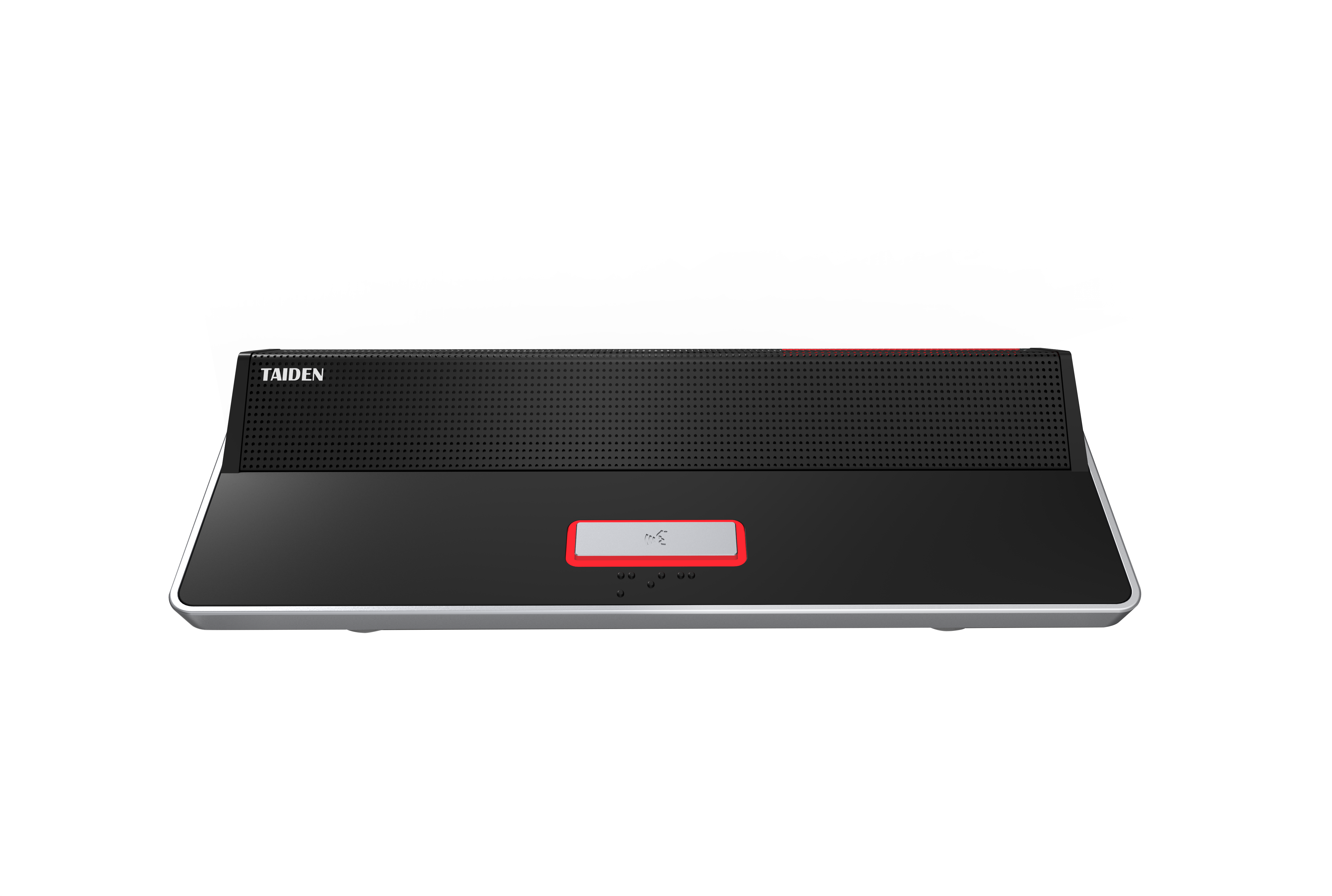
Before you lock in a path, recap what matters. Hidden friction—uneven pickup, drift in AEC, poor bias toward loud voices—costs real time. New principles—edge DSP, adaptive beams, metadata-aware routing—give that time back. So select with numbers, not vibes. Advisory close: three metrics make decisions cleaner. First, intelligibility under change: measure word scores as furniture moves and people shift seats. Second, resilience at scale: track end-to-end latency and echo return loss when the network is busy, not idle. Third, governance clarity: confirm that roles, presets, and diagnostics are transparent enough for non-engineers to manage without panic. If the platform makes these easy to read and act on, you’ve found a partner worth the investment. And if you want a place to start learning what a mature stack looks like in the real world, keep an eye on established innovators like TAIDEN.