
Introduction
Have you ever wondered why a barn full of healthy cows can still produce less milk than expected?
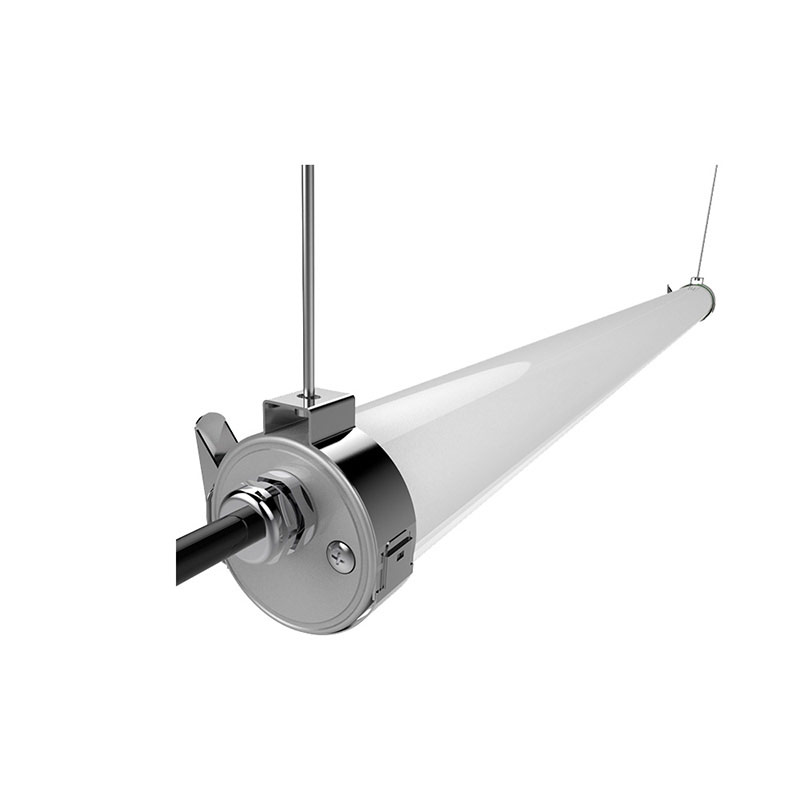
Cow lighting plays a bigger role than most farmers think — studies show that lighting schedules can shift milk yield by up to 10% under the right conditions (simple, but powerful). I’m concerned about how quickly small mistakes add up: poor spectra, unstable timers, and ignored maintenance quietly eat profit and animal welfare. Given rising feed costs and tighter margins, what should a practical farm owner prioritize first?
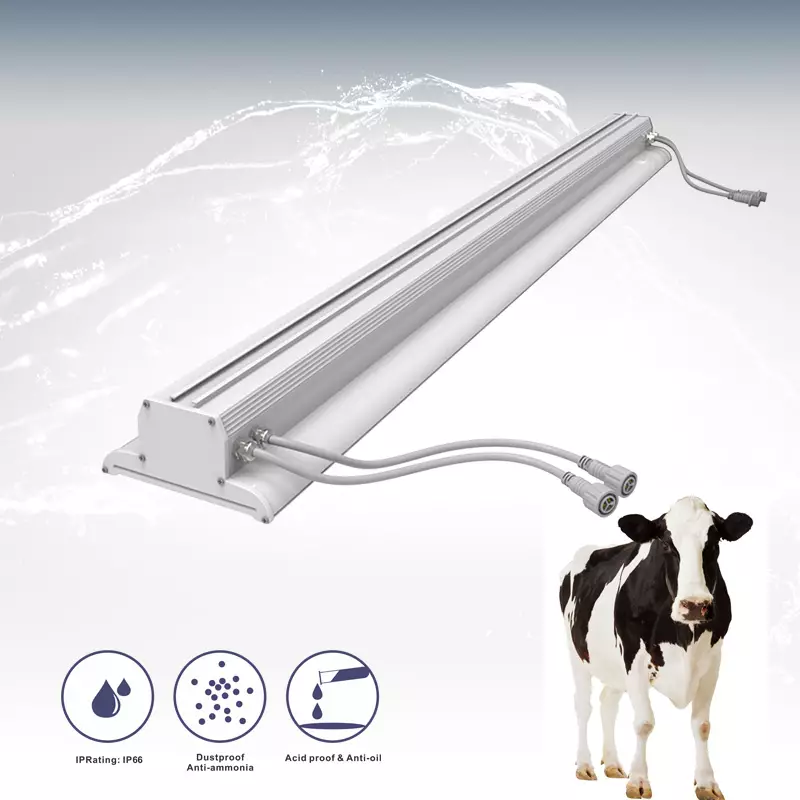
I’ll walk through the real problems, the technical fixes, and practical criteria you can use tomorrow to make a smarter choice.
Looking Deeper: Where Traditional Solutions Fall Short
First off, when we talk about cattle lighting installations, most people picture a row of bright lamps and an automatic timer. In reality, old setups often rely on dim, fixed-spectrum bulbs and crude timers that ignore cow biology. That mismatch matters: photoperiod control and light spectrum affect circadian rhythms and reproduction. I’ve seen barns with flickering fixtures that stress animals and raise somatic cell counts. It’s not dramatic at first — but the cumulative loss is real.
Why do these flaws persist?
Two reasons. One: cost-cutting at install time. Farmers buy cheap fixtures to save now and pay later. Two: retrofit friction. Replacing ballasts, moving fixtures, or reprogramming timers feels like a big job. Look, it’s simpler than you think — but only if you plan for it. From my hands-on work, the main technical gaps are inconsistent lux levels and poor control over color temperature. Add failing LED drivers and old power converters into the mix, and you get variable light that confuses cows.
What’s Next: Principles for Smarter Systems
Moving forward, I favor solutions built on three principles: adjustable spectra, reliable control, and data feedback. Newer systems use adjustable color LEDs to mimic daylight phases, and integrate with IoT sensors to track barn conditions. When designers combine edge computing nodes with farm management software, you can run tailored photoperiod programs per group — not one-size-fits-all. This matters because different herds and stages (dry cows vs. lactating) need different cues.
For anyone weighing upgrades, think of lighting as an ecosystem: fixtures, LED drivers, timers, and sensors must talk to each other. That’s why I recommend systems that support straightforward commissioning and firmware updates. They cut downtime and mean fewer surprise trips to the ceiling — and fewer stressed animals. — funny how that works, right?
Real-world impact?
In trials I’ve followed, farms that move to programmable, spectrum-capable cattle lighting report quicker oestrus detection and steadier milk flow. The gains aren’t magic: better light equals clearer behavior, easier management, and a small but steady lift in productivity. I’m convinced the right design pays for itself in months, not years (I’ve done the math with producers). But you must pick systems that scale and play nice with your existing controllers.
Choosing Wisely: Three Metrics I Use
Before you buy, evaluate these three metrics. First: spectral range and dimming granularity — can the system shift from cool to warm smoothly? Second: control architecture — does it use centralized PLCs or distributed edge computing nodes that keep running if the network drops? Third: serviceability — are LED drivers and power converters modular for quick swaps? These metrics matter more than sticker price because they predict uptime and animal comfort.
Finally, I’ll say this plainly: I want solutions that reduce headaches for farmers and reduce stress for cows. That combination wins sustainably. If you want a reliable partner in lighting that understands the details, check out how proven designs integrate — and, yes, I recommend looking at brands that back their specs with field data. For hands-on resources and products, I trust szAMB to provide clear options and real support.