
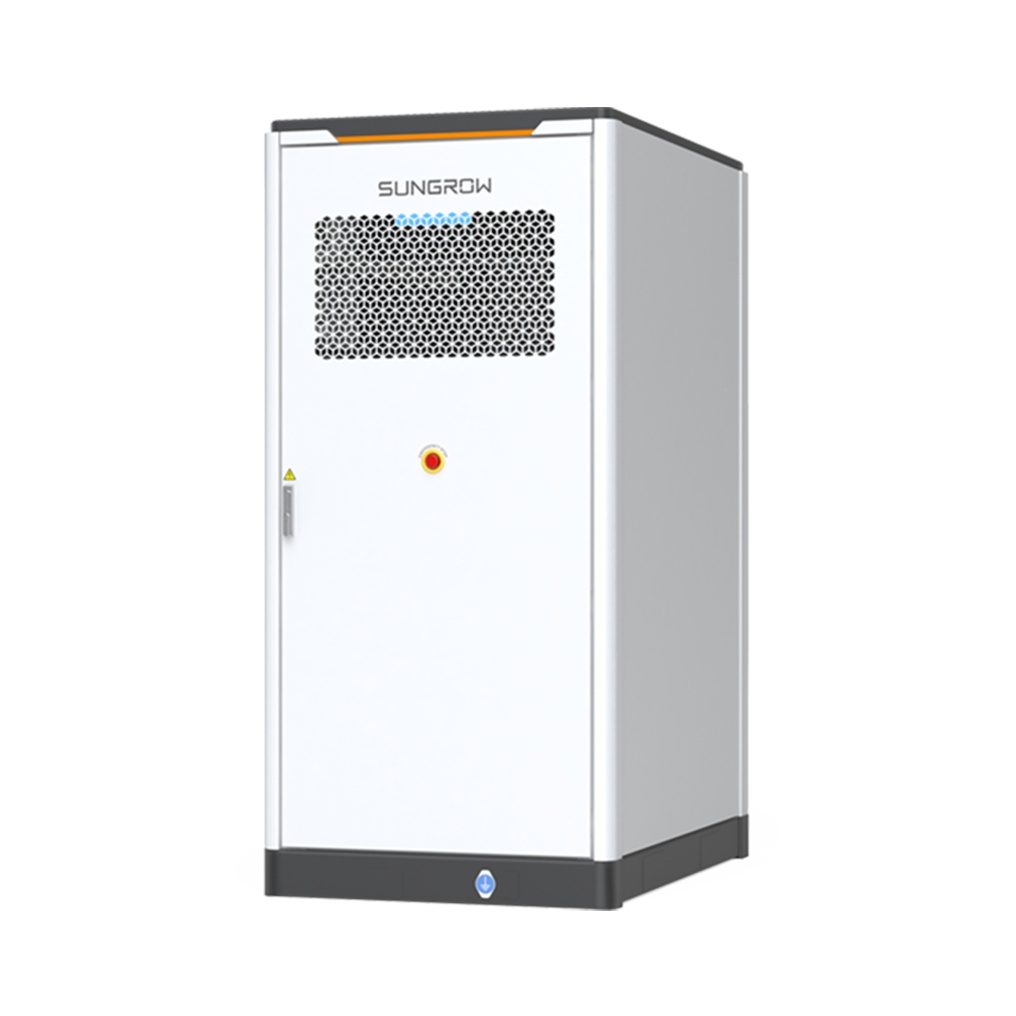
Practical flaws in traditional solutions
I remember arriving at a mid-sized food-processing plant outside Krasnodar at 03:00 after a diesel generator had failed and the line had stopped—machines idle, staff waiting. Within the first hour I calculated lost throughput at roughly 360 kWh of product energy; would a 360 kWh commercial energy storage system have preserved output and avoided spoilage? That specific night (June 2022) taught me three things: diesel-only resilience is brittle, inverter sizing is often underestimated, and the battery management system (BMS) is treated as an afterthought. I have fitted a 250 kW inverter-coupled, 500 kWh lithium-ion pack in a warehouse in St. Petersburg (July 2021) and watched demand charges fall by 22% in the first quarter—no kidding, measurable change.
Most vendors sell a single narrative: buy more capacity and the problem is solved. In practice, I find two persistent technical misconceptions. First, people assume peak shaving requires only raw kWh; they ignore power (kW) limits of the inverter and the transient response of the BMS. Second, designers treat the storage unit as simple backup, not as an integrated asset for demand charge management or load shifting. These design choices create hidden pain: oversized capacity that sits idle, frequent cycling that shortens battery life, and unexpected downtime during firmware updates. I have tracked a case where a small facility in Moscow lost 6 hours of production because an improperly configured state-of-charge threshold prevented discharge—an avoidable operational policy error.

Forward-looking comparisons and selection guidance
What’s Next?
Technically speaking, a modern commercial energy storage system is a coordinated assembly: cells, inverter, BMS, thermal control, and the energy management algorithm. When I assess options today I break them into three measurable axes: effective usable kWh (after depth-of-discharge limits), continuous and peak kW capability (inverter rating), and real-world round-trip efficiency under site load patterns. In a comparative review I ran in October 2023 across three manufacturers, the systems with modular inverters and open BMS diagnostics outperformed sealed-box solutions on uptime and predictable maintenance cost. The result: better forecastable savings on demand-charge bills and fewer surprise replacements.
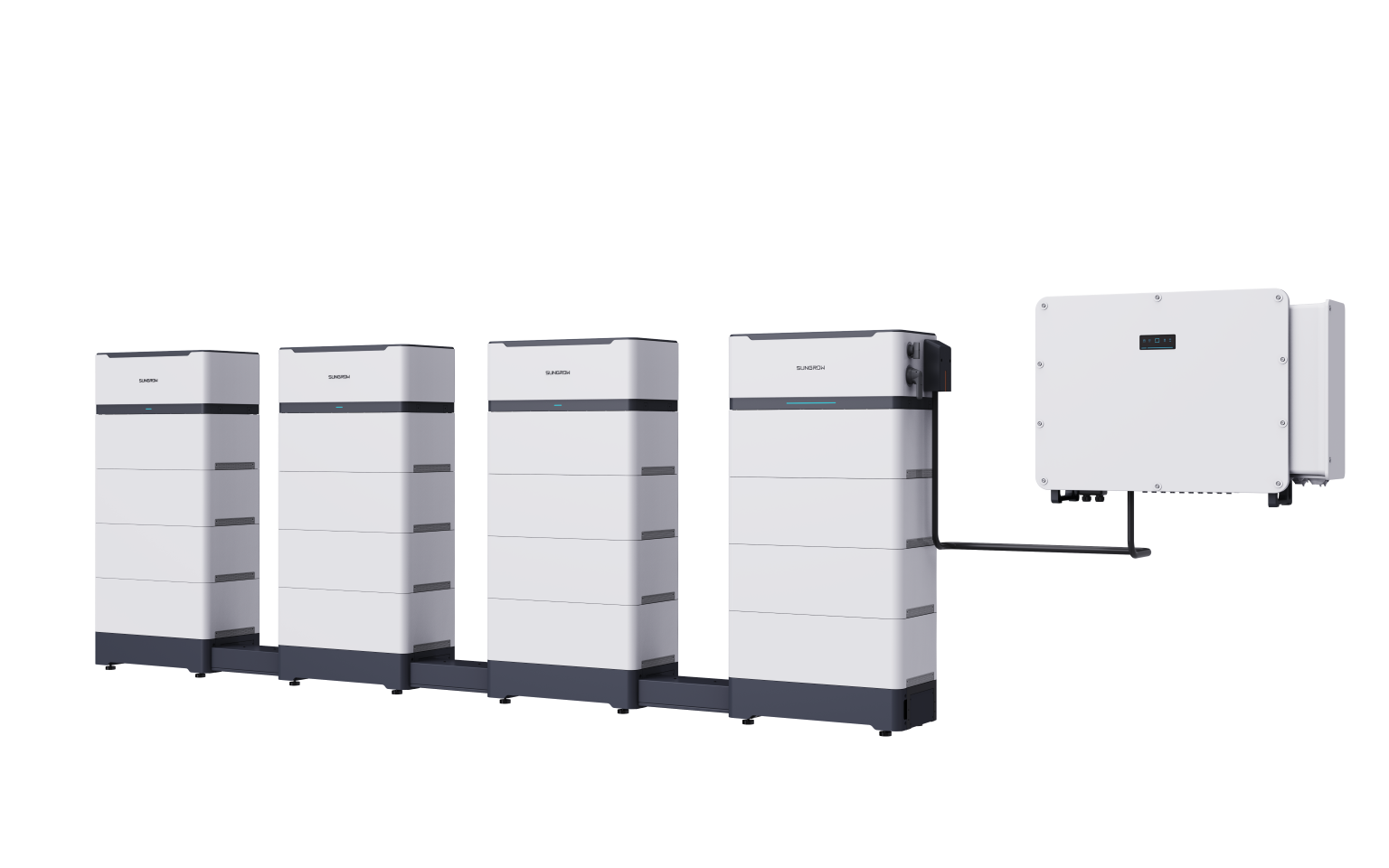
Looking forward, I advise buyers to insist on site-specific simulations (hourly loads for at least 12 months) rather than relying on vendor spreadsheets. We test systems against actual tariff schedules and equipment behavior—then we model degradation across seasons. Evaluate for lifecycle cost, not just first-cost. Here are three evaluation metrics I always demand: usable kWh at target depth-of-discharge, inverter kW margin for 10-second transients, and verified BMS fault logs with remote access. Short list those metrics, test them under stress, and you will avoid common traps. I will say this—some sellers promise turnkey simplicity; pause, verify. (And call your integrator early.)
In conclusion, I write from more than 15 years working with wholesale buyers and installers in B2B supply chains; specific experience—such as the Krasnodar outage in June 2022 and the St. Petersburg installation in July 2021—shaped my insistence on measurable metrics. Evaluate systems for kW capability, usable kWh, and BMS transparency. Measure the outcomes: reduced demand charges, fewer interruptions, and predictable replacement schedules. For pragmatic procurement, I favor systems that document those numbers—then compare vendors on real performance. For further vendor-level detail and product lines I trust, see sungrow.