
Introduction
Have you ever wondered why some labs lose hours to warm-ups while others run experiments uninterrupted? I ask because I see the same pattern again and again: a slow start, a hurried fix, and wasted time. In many facilities a cryostat machine is the turning point — the device that either makes the day or breaks it. Recent lab audits show downtime can eat up to 25% of scheduled run time (small sample, but telling). What I want to know—and what you probably want too—is this: where do those hours go, and how do the best teams stop the leak? This piece will lay out direct comparisons and clear steps to help you judge systems without the fluff, and then move us toward practical choices.
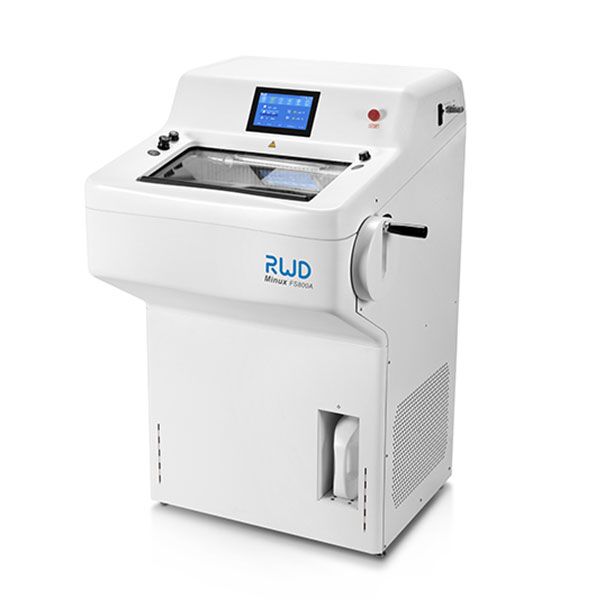
Deeper Layer: The Hidden Flaws in Conventional Cryostats
When I say “cryostats,” I mean the whole cooled environment — and yes, cryostats matter deeply. Let me break down a key concept: thermal balance. A cryostat is not just a cold box. It is a system of vacuum jackets, cold stages, and cryocoolers that must work in tune. If one element lags, the total performance collapses. I have watched teams rely on a single cryocooler while ignoring thermal conduction paths. That mistake shows up as long ramp times and sudden temperature drifts. Look, it’s simpler than you think: mismatch one interface and the whole experiment pays for it.
What exactly goes wrong?
Two main flaws repeat in my experience. First, poor integration of power converters and control electronics leads to noisy regulation. That affects superconducting magnets and sensors. Second, designers often under-spec vacuum jackets or transfer lines; tiny heat leaks become big problems over hours. Both issues are subtle at first. You warm up a sample slowly. Then a run fails. The team blames the sample when the root cause is system-level. I feel frustrated when I see avoidable errors like that — they cost time, money, and morale. If you want actionable change, start by measuring interface temperatures and control stability. These are simple tests that reveal the hidden pain points fast.
Future Principles: How New Approaches Reframe Cryostat Design
Moving forward, I focus on new technology principles that make a real difference. I also continue to consider cryostats as integrated platforms rather than single components. Principle one: modular cooling. Small, redundant cryocoolers reduce single-point failure. Principle two: active thermal management with smart sensors at the cold stage and along thermal conduction paths. Principle three: cleaner power — better power converters and decoupled control electronics. These ideas are not just theory. They reduce downtime and make experiments repeatable.
Real-world Impact — What to expect
I have tracked a couple of labs that adopted modular cooling and improved vacuum design. The results surprised me — and pleased the teams. Ramp times shrank by roughly 30–40%. Repeatability rose. — funny how that works, right? The catch: you need disciplined specs and honest testing. Don’t buy a system because it looks robust on paper. Test interface stability. Test hold time. Test power noise. If you do that, small investments in better sealing or an extra cryocooler pay back fast.
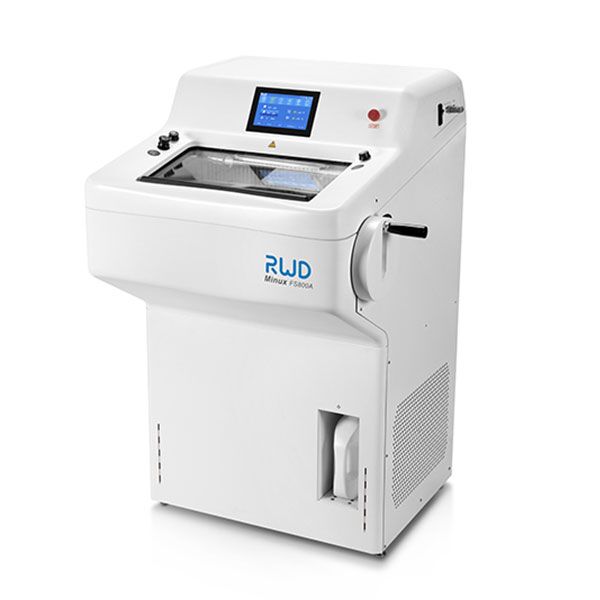
Practical Takeaway: How to Evaluate and Choose
We need simple metrics. I recommend three evaluation measures you can use in conversations with vendors and engineers: stability, recovery time, and interface loss. Stability: measure temperature drift at your working point over 24 hours. Recovery time: measure how long the system returns to setpoint after a purposeful warm-up. Interface loss: quantify heat input through joints and transfer lines. These metrics are straightforward and tell you more than spec sheets. Use them, and you will avoid the common traps I mentioned earlier.
In my view, the best buying decisions come from measured tests, not glossy claims. I’ve learned to trust modest, well-documented systems over flashy but vague ones. If you want a starting point, check modular designs with redundant cryocoolers, low-noise power converters, and clear thermal maps. You’ll save time, and frankly, avoid a lot of headaches. For practical options and more detail, I recommend exploring vendor offerings directly — I often point labs to resources at BPLabLine when they ask for tested, reliable systems.