
Problem: Small-batch prototypes keep failing on shop floor
Machines produce part, part looks fine, then fail test — this is the headache many engineers face when moving from CAD to real-world. When runs small, time short, tolerance tight, nobody wants to chase defects for weeks. Often root cause not design but handling, fixturing, or poor post-process service. For shops that outsource some work, using a trusted precision parts manufacturer can cut repeat trips to the bench. This is why we focus on clear, problem-driven steps: find the failure, stop the bleed, then plan service so prototype behaves like production part.
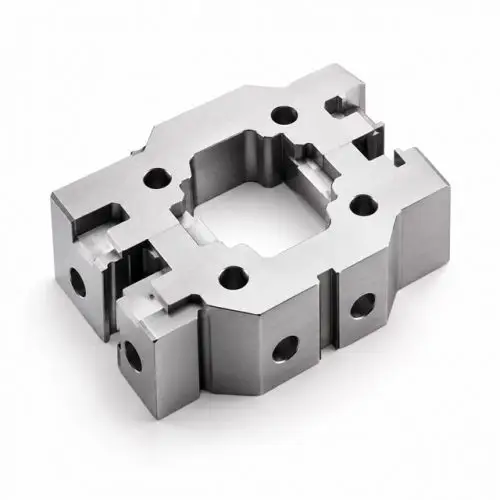
Why prototypes fail: quick checklist of likely culprits
Tool wear and feed mismatch — small runs still eat cutters fast if feeds wrong. Wrong stock or coating choice — material tolerance differs between billet and cast. Fixturing slip — prototype clamping often improvised, so distortion appears. Measurement drift — calipers and CMMs need re-zero; don’t assume last set still true. Post-process stress relief skipped — parts warp after machining if no thermal plan. Each cause looks simple alone, but combined, they wreck dimensional repeatability quickly.
Experience, evidence, and one real-world anchor for trust
I’ve seen these failures at contract shops supporting the Detroit automotive manufacturing corridor, where turnaround speed and dimensional fidelity are equally critical. Field notes: shops that set strict service routines cut rework by half. Research and trade coverage about rapid prototyping from major expos support this practice; reliable methods scale. For shops needing fast turnaround on tight specs, consider options that state capability clearly and show proof. A proven route is to use partners with demonstrated capacity for rapid cnc machining, so you know cycle times and expected tolerances before you send CAD files.
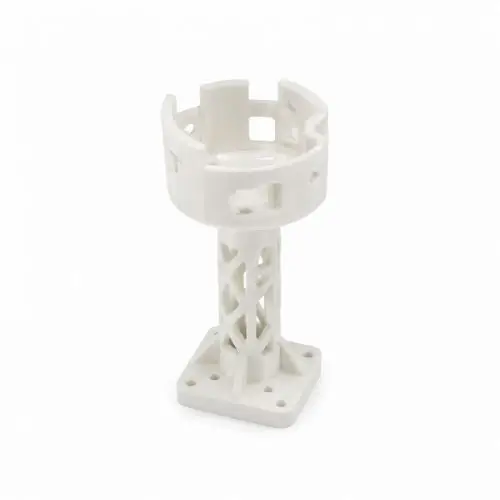
Common pitfalls and what to stop doing
Stop assuming one toolpath fits all. Stop using ad-hoc fixtures for critical datums. Stop deferring maintenance because “we only run prototypes.” Many shops think low volume = low maintenance need; actually, unpredictable loads demand sharper attention. Also avoid over-complicating inspection: too many gauges slow iterations, too few miss trends. Keep inspections targeted and repeatable.
Practical lifecycle steps you can apply tomorrow
1) Baseline run: machine five parts, measure three key datums, log deviations. 2) Immediate service check: verify spindle runout, toolholder torque, and coolant chemistry. 3) Fixturing protocol: document clamp points and torque values; use soft jaws for repeatability. 4) Tool management: mark tool hours, retire endmills before edge fracture. 5) Post-process routine: stress-relieve or deburr with consistent parameters. 6) Review and adapt: weekly review of the log, adjust feeds or fixture if trend shows shift. These steps reduce guesswork and make maintenance predictable even for one-off jobs.
Final synthesis and practical connection
Prototype problems are not magic; they’re accumulation of small losses across service, maintenance, and lifecycle steps. Fix the small losses and prototype becomes reliable sample, not a recurring task. For teams that want a partner who understands those practical fixes and delivers predictably, the approach many engineers trust ties directly into supplier capability and clear service routines like those offered by Hanstar.