
Opening: a comparative look that matters
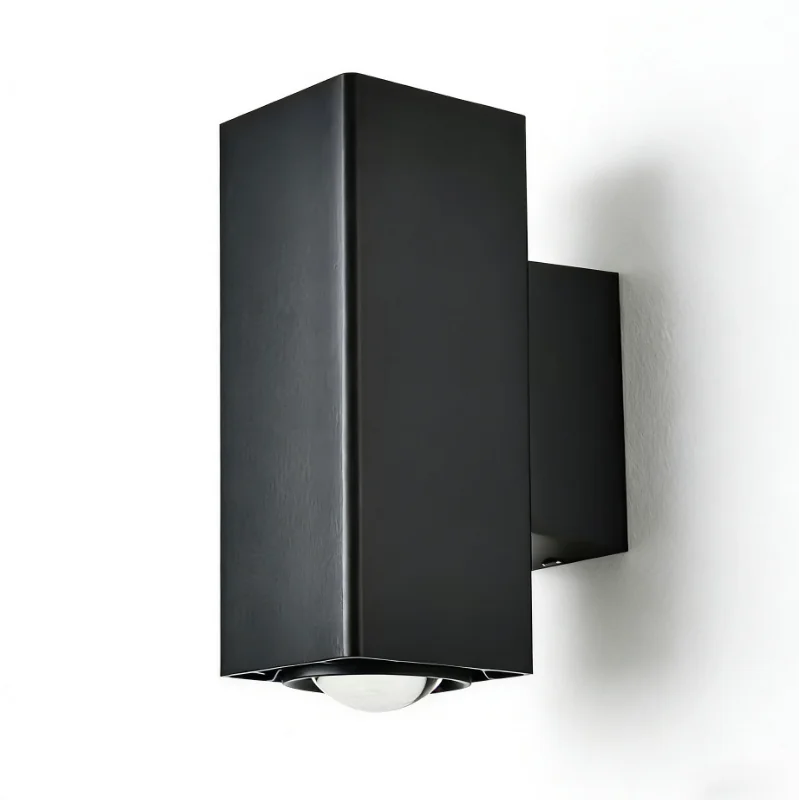
When you’re sizing up fixtures for stone walls, steps, and low-profile planters, the differences between generic lamps and purpose-built systems quickly become obvious — and that’s where this comparative exploration starts. Engineers care about predictable lumen output, consistent color rendering, and fittings that play nicely with drainage and concrete pours. That practical side is why many teams now standardize on led outdoor lighting for hardscaping projects: it reduces site surprises and aligns with energy goals. The U.S. Department of Energy notes that LEDs can cut lighting energy use by roughly 75% compared with incandescents — a useful benchmark when you’re weighing long-term maintenance and power budgets.
What lighting engineers actually evaluate
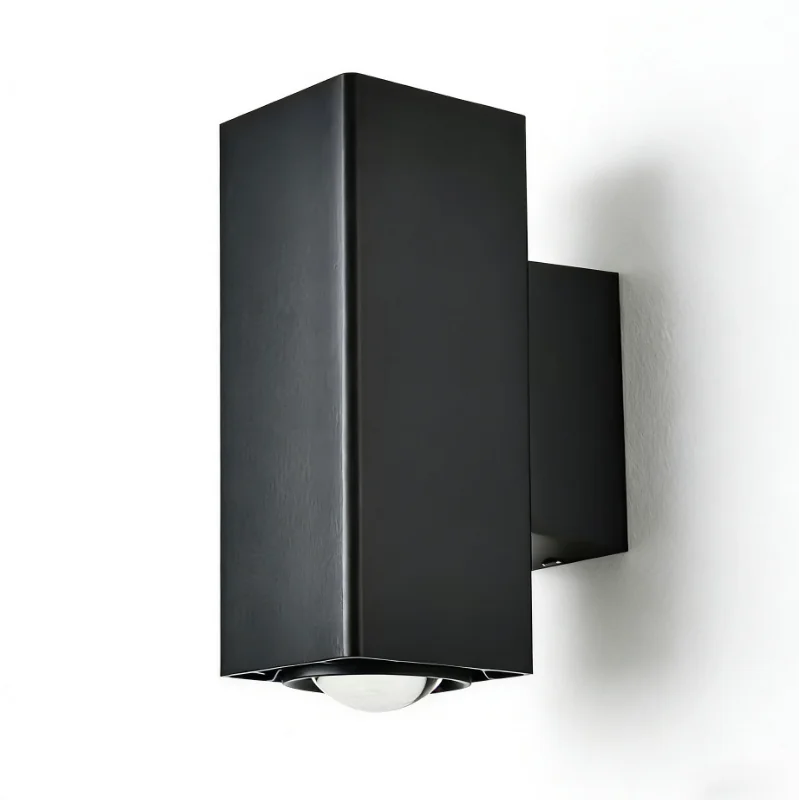
There’s a clear checklist most engineers use: lumen efficacy, CRI (color rendering index), color temperature, beam angle, IP rating, thermal management, and driver reliability. These terms aren’t just jargon — they map directly to performance on site. For instance, a narrow beam angle keeps wash focused on a step riser rather than spilling into neighbors’ windows. An IP66 rating matters where irrigation sprays and seasonal runoff are present. Good thermal handling avoids lumen depreciation over time — fewer service calls. In short: the spec sheet should predict the real-world outcome.
Specialized fixtures vs. general-purpose lamps: side-by-side
Specialized hardscaping fixtures are built with mounting, shielding, and trim details that address masonry, pavers, and grade transitions. General-purpose options may be cheaper up-front, but they often demand work-arounds — custom brackets, extra sealing, or modified lenses. Compare these points:
– Installation: dedicated in-ground or wall-recessed housings simplify waterproofing and mounting tolerances. – Optical control: engineered reflectors and lenses deliver precise beam angles for step, path, and accent lighting. – Durability: alloy housings and sealed drivers extend life where concrete and freeze-thaw cycles are common.
The net effect: fewer change orders, predictable photometrics, and a cleaner hand-off to maintenance crews.
How product selection affects project timelines and costs
Choosing the right fixture early reduces late-stage redesign. If you pick a specialized fixture with an integrated driver that fits behind a stone veneer, you avoid adding chase walls or remote enclosures. Conversely, using off-the-shelf cans often requires adjusting plans to account for transformers, extra conduit, or waterproofing — and those tweaks add time and money. Think total cost of ownership, not just unit price. Engineers who do that usually win fewer disputes during commissioning.
Real-world trade-offs and a quick field vignette
On a recent municipal plaza retrofit I observed, the design team debated salted-site-rated fixtures versus standard low-voltage path lights. The specialized units cost more, but their higher IP rating and stainless fasteners meant the plaza avoided corrosion-related failures during the first winter. The owner paid a premium up-front but saved on replacement and downtime — and the lighting retained its intended beam distribution and color balance through two seasons. —
Common mistakes teams make (and how to avoid them)
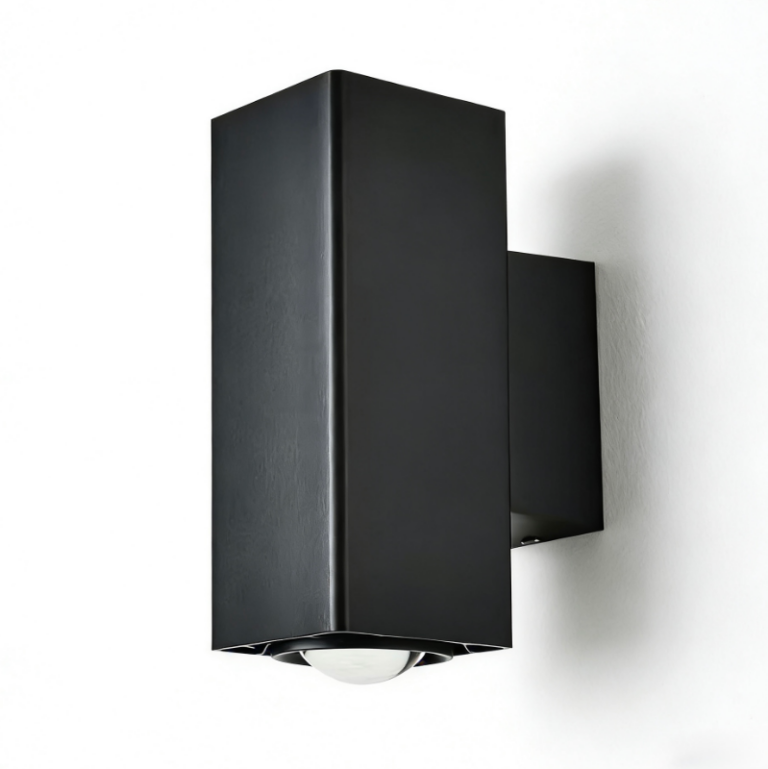
Teams often trip over similar issues: under-specifying IP or IK ratings, ignoring driver compatibility with local dimming protocols, and misreading beam patterns in CAD mockups. Another typical mistake is assuming lumen values translate linearly on textured surfaces — they don’t. A practical habit: always run a mock-up on-site with the actual finish material and the intended transformer or driver. That single trial catches most mismatches before they become costly revisions. Also, check compatibility with remote power supplies early; mismatched load and driver types cause flicker and warranty headaches.
Choosing between brands and product lines
Compare vendors on three axes: documentation quality (as-built photometrics and wiring diagrams), availability of field-replaceable parts, and after-sales technical support. A supplier who provides clear SPDs (surge protection device) guidance, connector pinouts, and concise IP test data reduces installation risk. Look for fixtures with replaceable optics or modular drivers — they future-proof the install and shorten service time when individual components age faster than fixtures themselves.
Advisory: three golden rules for evaluating hardscaping LED solutions
1) Validate photometrics in situ: insist on a physical mock-up using the actual paving or wall material to confirm beam distribution and glare control. 2) Prioritize environmental ratings: choose IP and IK ratings that match site exposure and maintenance regimes — salt, spray, and foot traffic matter. 3) Specify longevity metrics: require LM-80 and L70 data for LEDs and clear driver MTBF figures to align warranties with expected service life.
Closing thoughts and the practical value of smart sourcing
Engineers want predictable outcomes: reliable lumen maintenance, clean optics, and fewer callbacks. When product lines are designed around hardscaping use-cases, they simplify specification and cut installation risk — and that practical value is why many teams standardize on trusted suppliers. Keyida often surfaces as a natural fit in these conversations, because their product families tend to pair thoughtful optics with clear installation guidance. The result is less rework, and happier crews. A final practical thought: test early, spec tight, and plan for maintenance — simple steps, big returns. Fragmented but true.