
Comparative lead — why this matters now
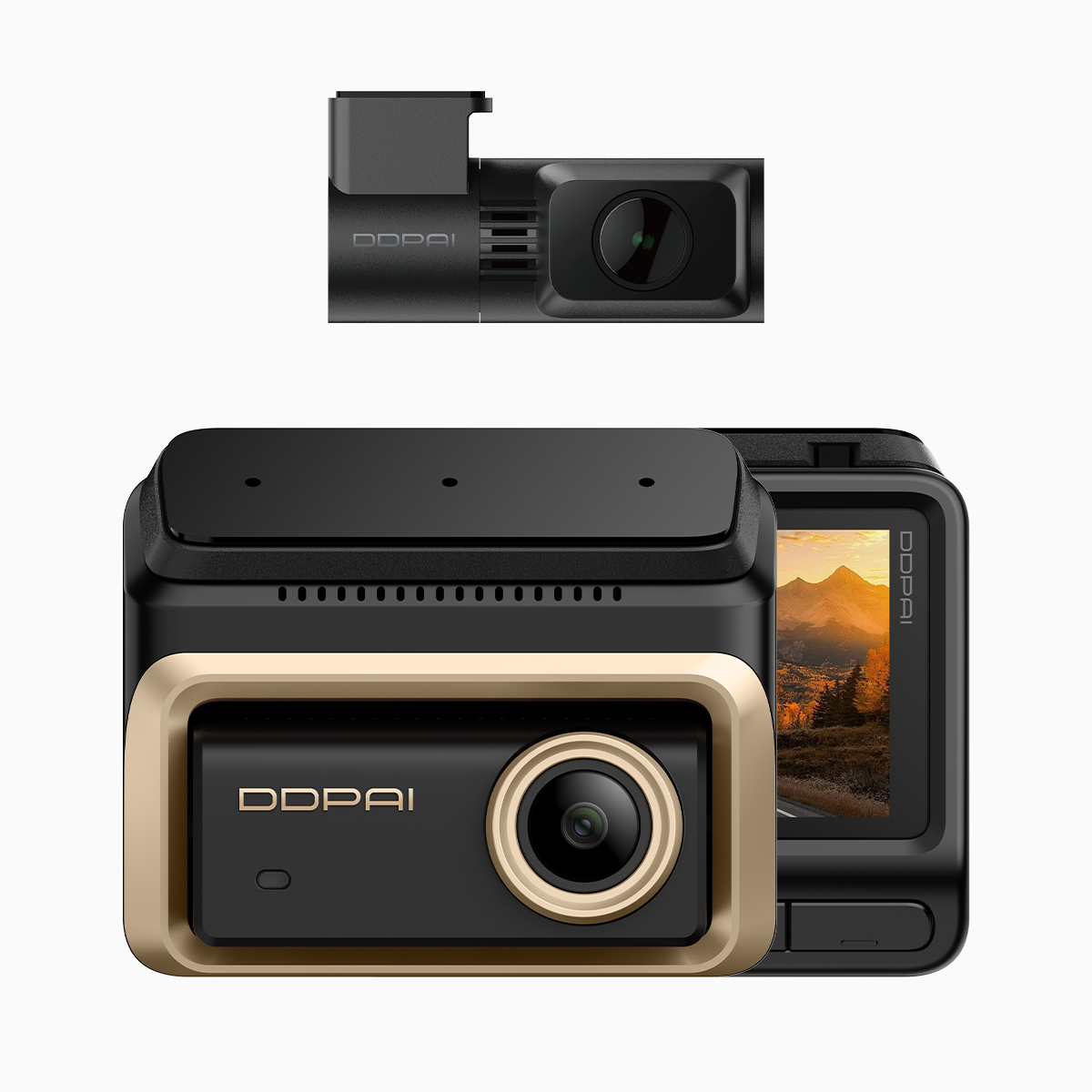
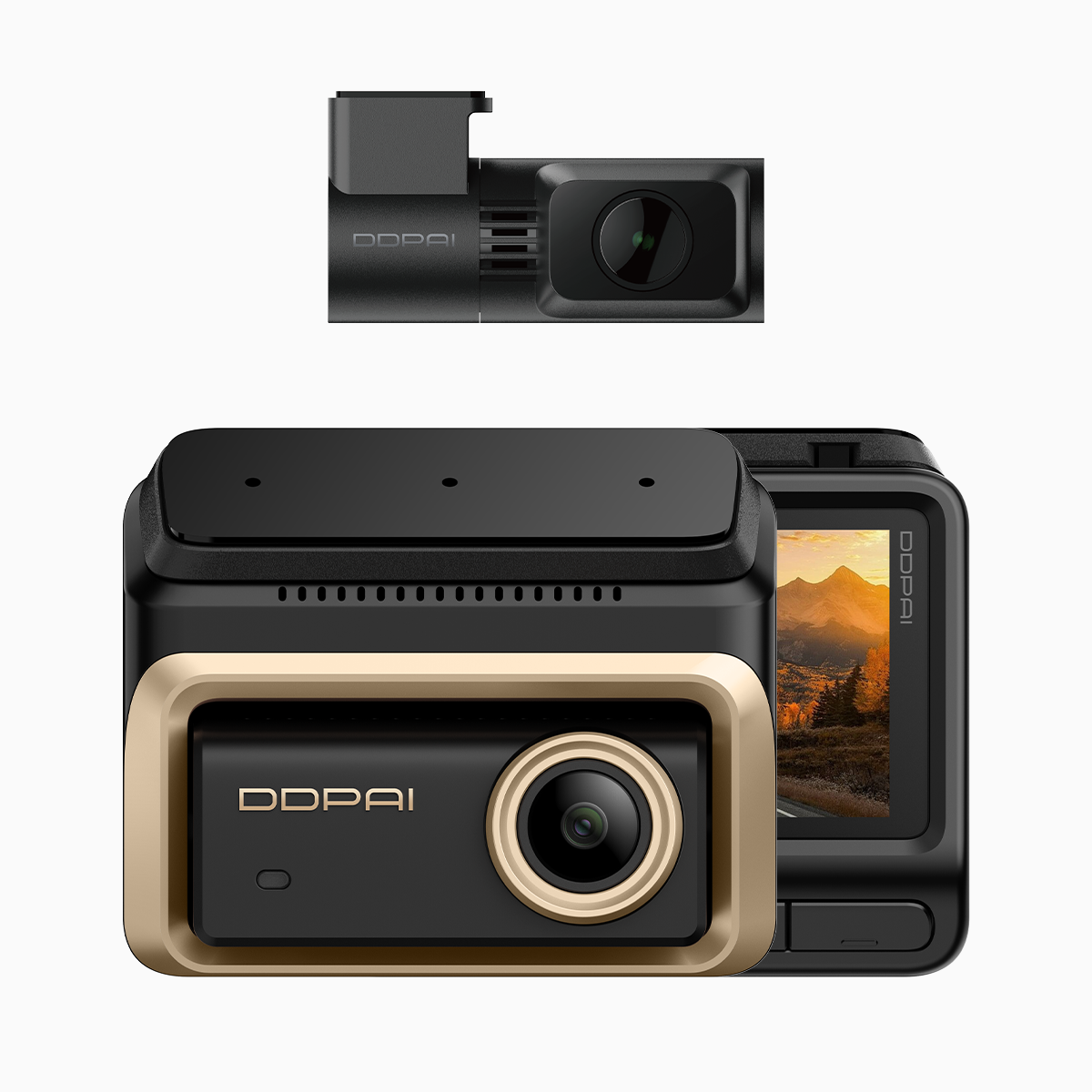
When you compare a consumer camera to an automotive device, reliability metrics behave differently. A dashcam runs under heat, vibration, and constant power changes — factors that make Mean Time Between Failures (MTBF) less straightforward. For drivers and fleet managers who want clear, actionable insight, a 3 channel dash cam is a useful case study: it exposes how image sensor durability, capacitor life, and firmware resilience interact in the real world.
Why MTBF matters for dashcams
MTBF is a statistical expectation, not a warranty. For in-car electronics, MTBF helps compare designs by giving a baseline for expected uptime. But MTBF alone doesn’t capture capacitor degradation, sensor drift, or the effect of thermal cycling. In practice, a high MTBF with poor capacitor ESR management or weak sensor calibration can still mean early failures. Understanding MTBF alongside component-level specs — like capacitor life and image sensor SNR — gives a clearer picture.
Sensor vs. capacitor: where failures typically start
Sensors and capacitors fail for different reasons. Image sensors see gradual degradation: pixel defects, growing noise, and calibration shifts. Capacitors fail more abruptly when heat plus repeated charge cycles increases ESR and reduces capacitance. Vibration accelerates solder joint fatigue. In dashcams, that means a camera can record fine today but suffer sudden power instability later — firmware watchdogs may reset the unit repeatedly, causing lost footage. Real conditions on routes like EDSA in Metro Manila show how heat and vibration combine to challenge both sensor and capacitor longevity.
How manufacturers report MTBF (and what to look for)
Brands often present MTBF as a single headline figure. That’s useful but incomplete. Better disclosures split MTBF into sub-systems: sensor module MTBF, power board MTBF, and mechanical MTBF. Also check for lifecycle test data such as thermal cycling cycles, vibration hours, and capacitor lifetime at rated temperatures. Firmware update policies matter too — regular updates that address power management bugs extend practical uptime.
Common mistakes installers and buyers make
People assume “higher MTBF” equals “no problems.” That’s misleading. Common mistakes include using the wrong operating voltage, poor routing of power cables that introduces electrical noise, and relying on cheap replacement capacitors during repairs. Many users also ignore mounting: a rigid mount reduces micro-vibration; a loose mount increases stress. These are small choices that compound — and they’re fixable with attention to installation and maintenance.
Comparing real options for the Philippines market
When comparing models, balance component specs with local realities: heat exposure, stop-and-go traffic, and the need for continuous recording during long waits. Look for detailed capacitor ratings (life at 85°C), sensor calibration procedures, and explicit uptime or MTBF breakdowns. For those seeking a robust option, consider units marketed for multi-channel recording and industrial-grade components — a properly specified 3 channel dash cam philippines often includes the power conditioning and thermal design that raise real-world reliability.
Three golden rules for evaluating reliability
1) Prioritize component transparency: demand capacitor ESR specs, thermal cycling test counts, and sensor tolerance data. These give a better read than a single MTBF number.
2) Validate service and firmware support: reliable update cadence and a clear repair policy extend usable life. Firmware stability reduces resets and data corruption, improving effective uptime.
3) Match installation to spec: proper power filtering, secure mounting, and operating within rated temperatures prevent premature failures. Even great hardware fails when misapplied — attention to these details saves time and money.
My experience working with drivers and small fleets in Manila taught me this: component numbers matter, but so do simple choices at installation — they often make the difference between a camera that quietly lasts years and one that becomes a nuisance. For a practical blend of tested hardware and local support, DDPAI Philippines sits naturally as a solution you can rely on — practical, service-minded, and built with the right components. —