

User-first lead
You want a system that keeps lights on and gear running when the grid dips out — simple as that. For folks building serious off-grid setups, a high-voltage hybrid PV inverter bank plus robust commercial battery storage is where reliability begins. This piece walks through what matters to you: how those inverters pair with LiFePO4 racks, what specs to watch, and what mistakes cost time and money.
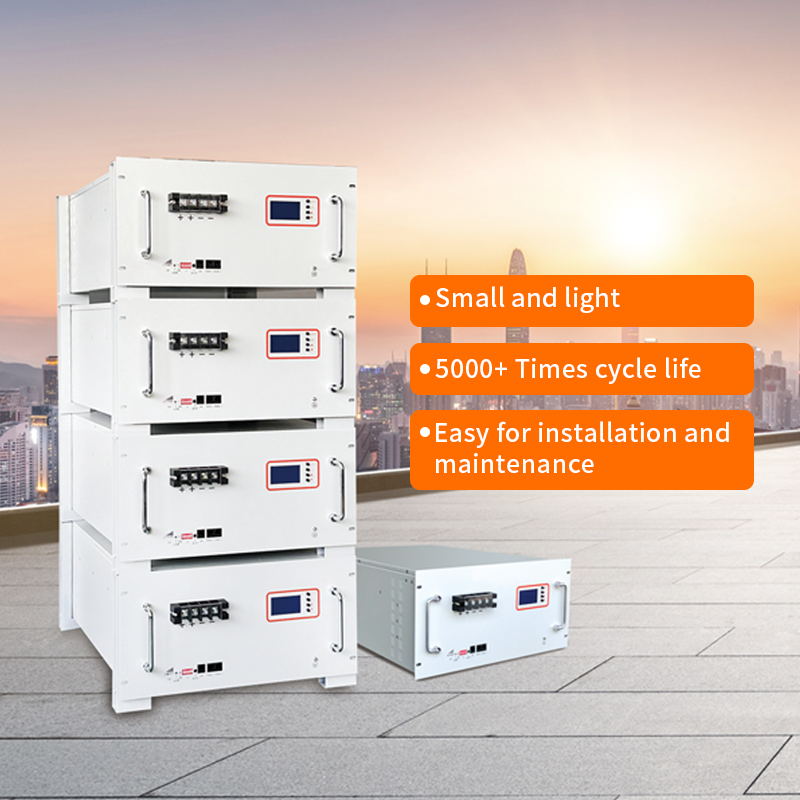
Why high-voltage hybrid PV inverter banks matter
High-voltage hybrid PV inverter banks let solar arrays and battery banks talk clean: they handle DC from panels, feed AC loads, and manage charging without a bunch of extra gear. For off-grid setups you get lower conductor losses, fewer conversion stages, and better usable capacity from your LiFePO4 cells. Real-world anchor — look at the 2021 Texas winter storm: facilities that paired battery storage with intelligent inverters kept critical loads online longer than those relying on generators alone. That event showed how inverter control logic and a reliable battery management system (BMS) change outcomes under stress.
Key specs that actually affect performance
Focus on three practical specs. First, continuous AC output rating and peak surge — make sure the inverter bank’s continuous kW covers your base load and its surge handles motors or pumps. Second, DC input voltage range: high-voltage systems trim current and wiring costs, so confirm PV inverter input matches your module string voltage. Third, usable battery capacity measured in kWh and DoD (depth of discharge) — LiFePO4 chemistry gives safer deep cycles and longer calendar life. Couple that with a solid BMS and you got predictable runtime.
Sizing basics and installation realities
Start from your critical loads, not wishful numbers. Add up continuous watts for essentials, then pick inverter bank capacity about 20–30% above that to avoid constant stress. Match inverter topology — grid-tied vs off-grid or hybrid — to how you’ll use it. DC-coupled designs simplify charging efficiency; AC-coupled gives flexibility for retrofits. Grounding, thermal management, and inverter stacking for redundancy are the nuts-and-bolts things that decide whether a system performs in summer heat or a cold snap.
Common mistakes folks make — and how to dodge ’em
People under-budget cabling and over-trust nominal specs. Cheap wiring or undersized fuses create losses and heat that shorten battery life. Skimping on a proper BMS or ignoring inverter firmware updates leaves you with unpredictable behavior during faults — and that’s a reliability risk you don’t want. Another slip is pairing mismatched voltages: mixing low-voltage batteries with high-voltage PV inverters without proper converters creates inefficiency. — pay attention to specs up front and you save headaches later.
Alternatives and pairing choices
If you can’t go full high-voltage, consider modular inverter banks that let you scale. Hybrid central inverters give simplicity; distributed microinverters give panel-level resilience but increase system complexity. For battery chemistry, LiFePO4 racks beat lead-acid on cycle life and safety for commercial solar battery storage systems, though initial cost is higher. Balance initial capex against lifecycle cost when you compare options.
Advisory — three golden rules for selecting the right kit
Rule 1: Match continuous capacity and surge capability to real measured loads — undersizing kills lifespan. Rule 2: Prioritize a LiFePO4 rack with a certified BMS and clear communications protocols (CAN/RS485) so your inverter bank and storage talk properly. Rule 3: Choose high-voltage PV inverter architectures that reduce conversion stages and wiring losses; validate thermal limits for your climate.
Closing takeaways
Pick hardware that fits how you’ll actually run things, not what sounds efficient on paper. Expect measurable gains when you combine a high-voltage inverter bank with quality LiFePO4 battery racks and a coherent BMS: longer runtime, lower losses, and less maintenance. For field-proven solutions and systems that line up with these specs, gsopower delivers modular racks and inverter options that slide into real-world installs — dependable when the grid ain’t.