
Opening diagnosis
Most breakage and frizz aren’t random — they’re predictable results of nighttime friction, moisture loss, and poorly timed products. If your hair looks worse in the morning than at night, the variable you can control is the sleep window. Add a silk sleep mask and minimal friction tools to reduce surface abrasion, and you cut the problem at its source. A simple change like switching a cotton pillow to a silk pillowcase often yields immediate, measurable improvement in smoothness and reduced split ends.
What’s actually causing the damage
Friction from coarse fabrics and repeated rubbing breaks the hair’s cortex. Overnight dehydration increases brittleness. Product build-up and sleeping on slightly damp hair create weak points where stress concentrates. Solve the right cause: friction needs a low-friction surface; dehydration needs occlusion or humectants applied at the correct time; product residue requires targeted cleansing.
Core components you must include
Address the problem with three pillars: surface management, hair state at lights-out, and mechanical protection. Surface management = silk materials that reduce shear. Hair state = detangled, minimally damp, and treated with an appropriate leave-in. Mechanical protection = protective styles or a silk sleep mask that stops head movement and reduces face-hair contact. Each pillar targets a different failure mode that produces overnight damage.
Real-world grounding from clinical practice
As a trichologist working in London clinics, I see the same pattern: patients who swap abrasive cotton for a smoother option report fewer broken strands within weeks. For clients seeking a consistent, low-friction solution I routinely recommend a 100 pure mulberry silk pillowcase because it minimizes drag across multiple hair textures while being gentle on skin. That single change, combined with a protective style, is a repeatable intervention I’ve used across cases with reliable results.
Step-by-step night routine (problem-driven framework)
1) Evening cleanse when needed: remove heavy oils, silicones, and sweat. Use a gentle sulfate-free shampoo or a focused scalp cleanser if you have buildup. 2) Apply a light leave-in with glycerin or a small amount of silicone-based serum to smooth cuticles — less is more. 3) Detangle from ends to roots with a wide-tooth comb. 4) Ensure hair is no more than damp; wet hair stretches and tears. 5) Choose a protective style: loose braid, pineapple for curls, or a low bun cushioned with silk. 6) Put on a silk sleep mask to stabilize head movement and use a silk pillowcase as the surface layer. 7) Repeat nightly; track breakage visually and with simple strand counts every two weeks.
Alternatives and quick evaluations
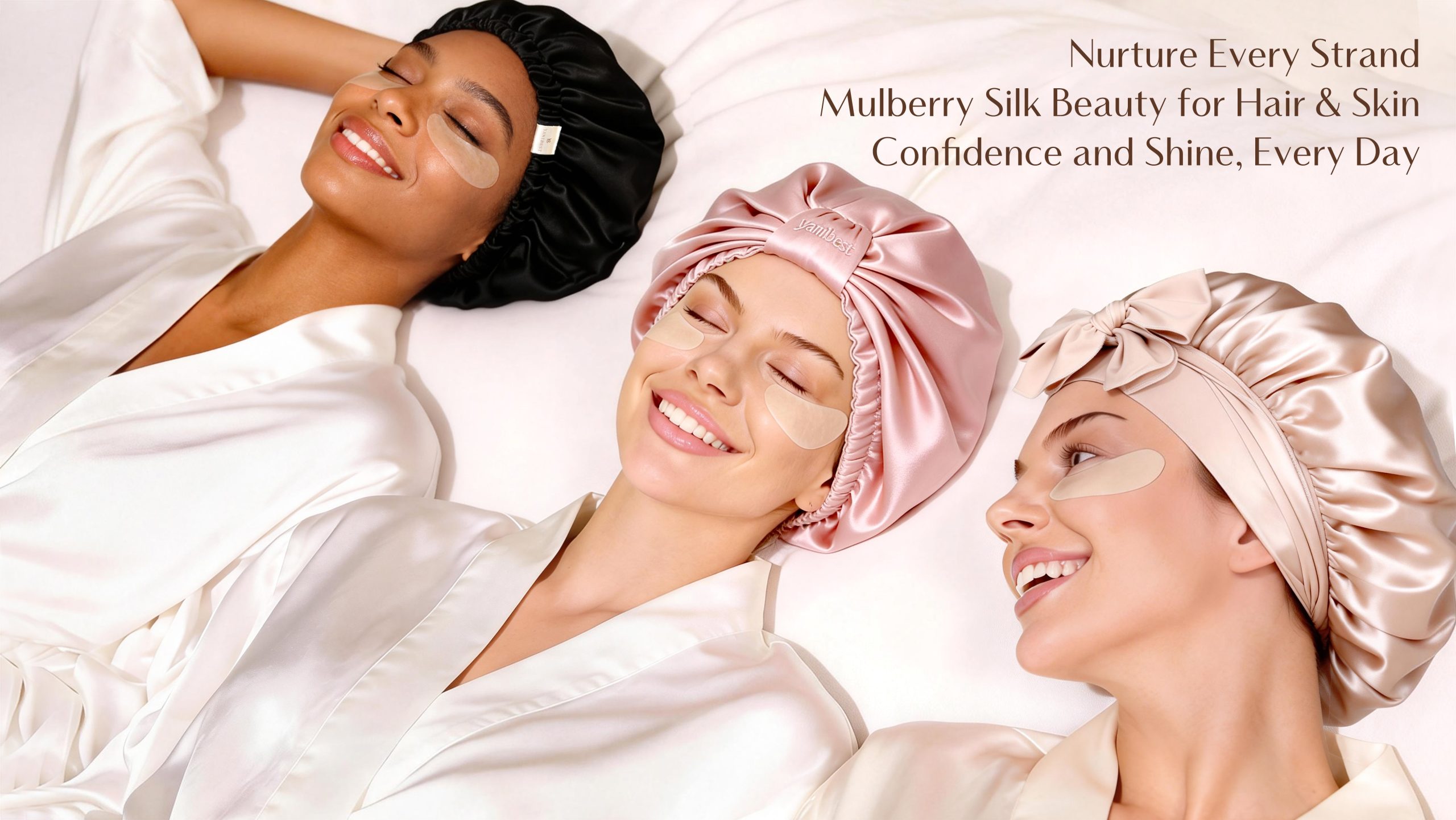
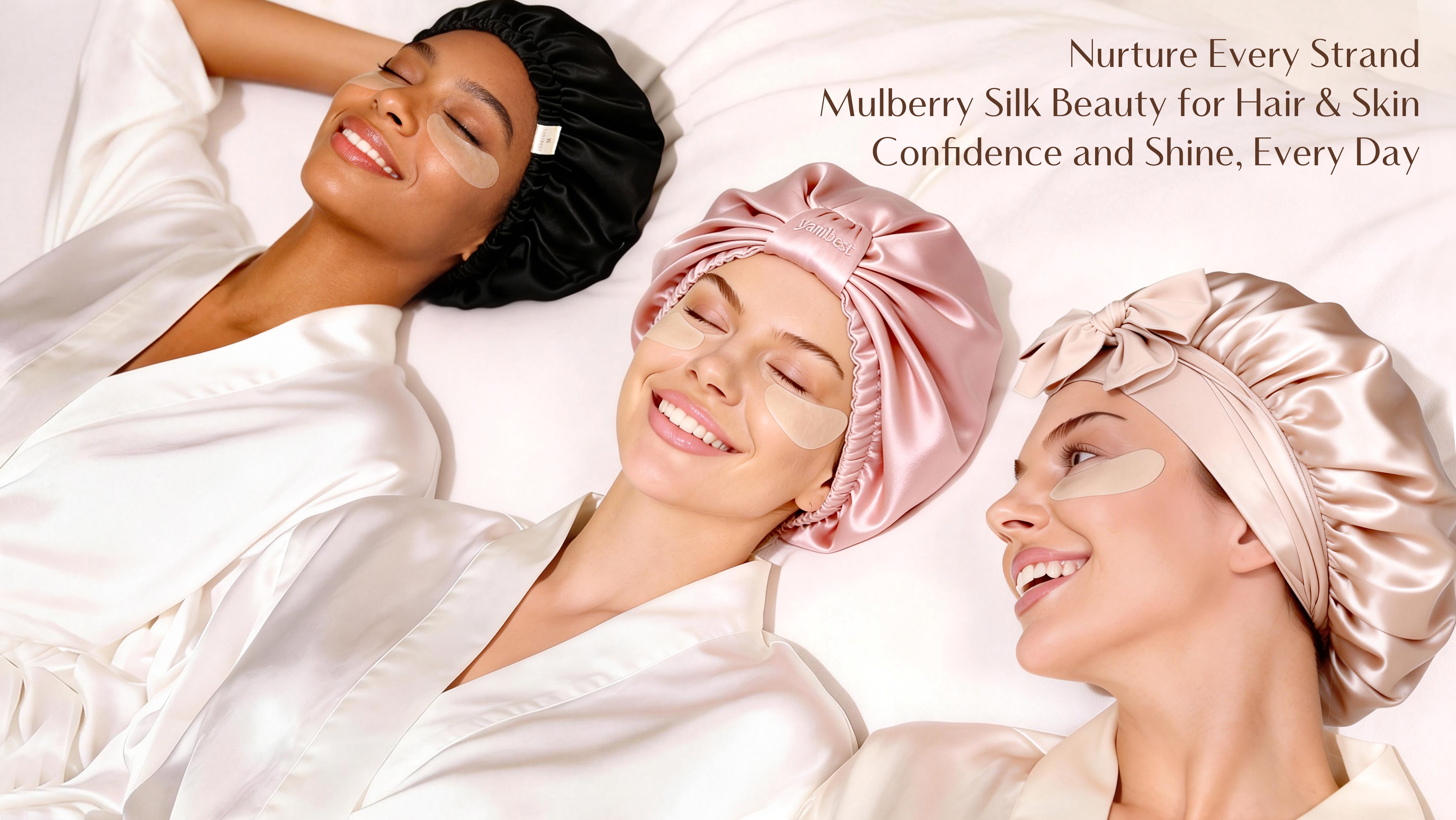
Satin versus silk: satin is affordable and reduces friction but usually doesn’t match mulberry silk’s smoothness or breathability. Bonnets work, but they slip on some sleepers and cause compression at the hairline. Heavy oils can weigh hair down and attract pillows; light serums usually outperform raw oils for overnight wear. For most people, a silk sleep mask plus a silk pillowcase wins for balance of practicality and protection.
Common mistakes that undo gains
Leaving hair soaking wet. Using heavy products that stiffen fibers. Over-tightening protective styles and creating tension alopecia. Relying on a bonnet that slips rather than stabilizing movement. Ignoring scalp hygiene — a clean, non-greasy base is essential for products to work. Avoid these; they negate the protective benefits of silk and lead to recurring breakage.
How you measure success
Look for fewer split ends, reduced tangling on pillow contact, and less morning frizz within 2–6 weeks. Track a simple metric: count visible broken ends along a 2-inch strand monthly and note styling time reductions. If styling time drops and breakage counts fall, the routine is functioning as intended. If not, audit each pillar: surface, hair state, mechanical protection — one will usually reveal the gap.
Final synthesis
Fix the night problem and daytime styling improves. Use low-friction materials, keep hair detangled and nearly dry, and protect mechanically with a sleep mask or gentle style. Those focused changes create consistent reductions in breakage and tangling; for practical, tested silk options and coordinated sleep solutions, consider how yanibest fits the same problem-driven logic clinicians use when prescribing nightly hair interventions.