
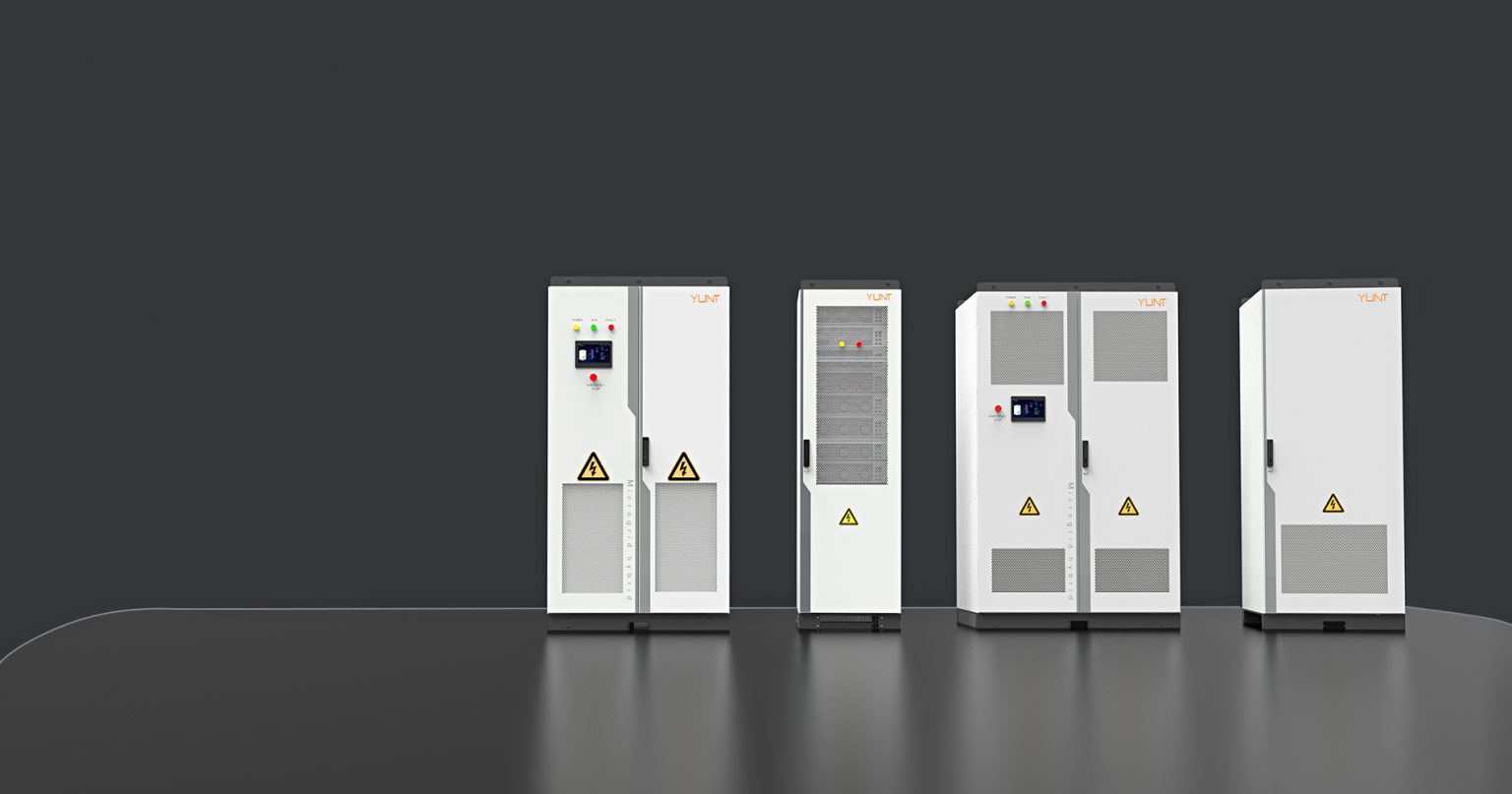
Quick beat — what’s actually up with low-load THD
Alright, straight up: when hybrid rigs sit light on output, their Total Harmonic Distortion (THD) can creep up and trip a few headaches for installers and operators. If you’re sizing systems for tricky daily profiles — think late-night microloads or daytime backfeed during the California duck curve — get this sorted early. Real-world installs in California and coastal Australia have shown that inverter topology and control firmware matter as much as hardware. Check a solid hybrid inverter spec sheet before you lock anything in.
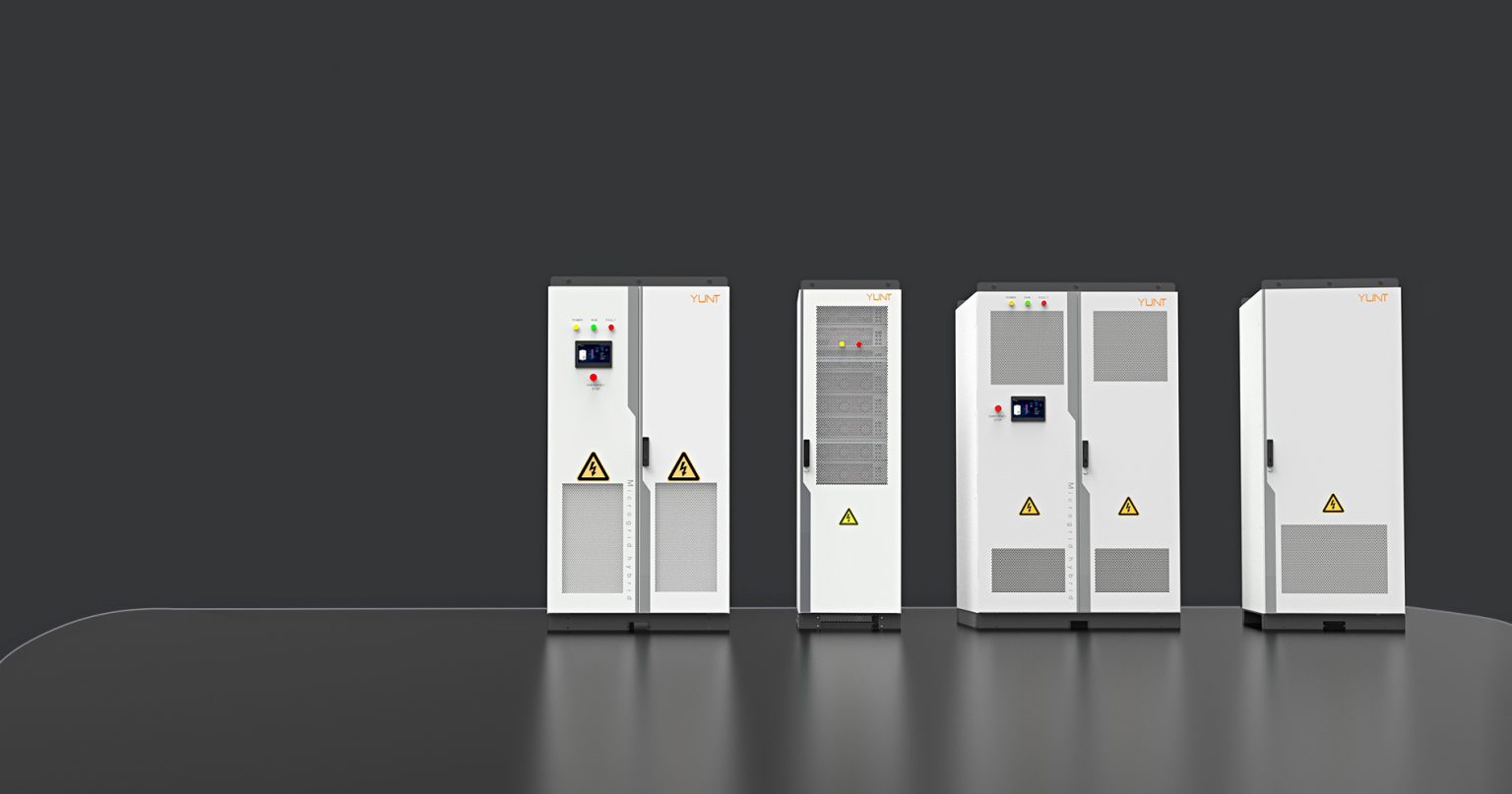
Comparing how brands handle low-load behaviour
Brands split on strategy: some keep switching frequency high to preserve waveform purity, others drop switching to save losses. The trade-off is clear — lower switching reduces conduction losses but lets distortion rise. In one camp you’ve got aggressive pulse-width modulation tweaks that hold THD down; in the other, you’ve got passive filtering and soft-start logic that prioritize efficiency. Field reports show the models with smarter control loops beat the rest under light loading, but cheaper units often punch holes in the waveform when the load is below a threshold.
Why the distortion happens — the tech skinny
At low load, the inverter’s control loop and dead-time management become the dominant players. With tiny output current, switching dead-time and carrier offsets produce waveform asymmetry, which shows up as odd harmonics. Toss in a lightweight LCL or simple LC filter and resonance can amplify a harmonic instead of killing it. Power factor and grid-tie timing also nudge results — so it’s not just one part being messy, it’s a system vibe.
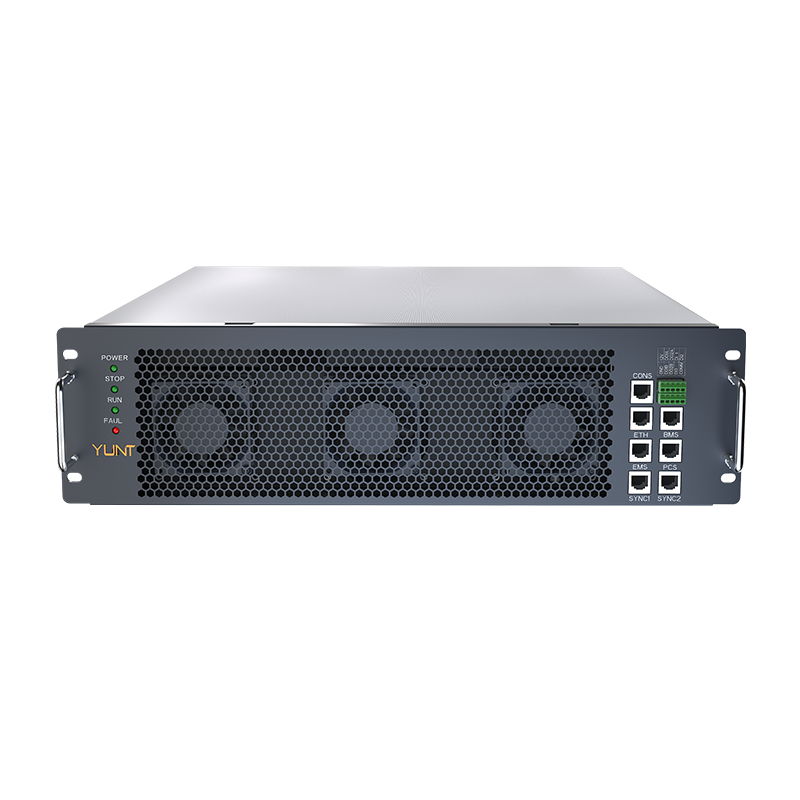
Installation realities and common screw-ups
Installers often underestimate minimum continuous loading and overestimate passive filters. Mistakes show up as weird humming, nuisance trips on sensitive equipment, or higher utility penalties in places with strict interconnection limits. A few practical gotchas: oversized PV strings driving partial inverter modes, firmware that defaults to “eco” switching, and filter tuning left on factory settings. — A quick retune or a small dummy load can calm a jittery system without reworking the whole setup.
Operational teardown — what to test on day one
When you crack open a site, do these checks: measure THD at 10%, 25%, 50% loads; log switching frequency and dead-time; scan filter impedance across 50–500 Hz. Look for firmware routines that kick in at low-current thresholds. During a production teardown I drop a controlled resistive load and log waveform traces — then compare against expected harmonic masks. Also note the procurement line: whether the unit came from a known hybrid pv inverter supplier or a generic channel affects parts traceability and firmware access. For documentation, write down {main_keyword} and {variation_keyword} so maintenance and procurement are talking the same language.
Which fixes actually move the needle
Don’t waste time on myths: passive filter upsizing alone won’t cure control-induced harmonics. The winning combos are firmware adjustments plus minimal hardware changes: increase switching when THD matters, or add a tiny active damping stage in the filter. If you need a quick field hack, a small continuously-drawn ballast load often stabilizes the waveform until you schedule firmware tuning. Compare suppliers on how quickly they push firmware updates and whether their hardware exposes control parameters — that’s where the long game gets won.
Golden rules for evaluation and procurement
1) Measure behavior across the full load curve, not just at nameplate. 2) Confirm vendor support for firmware-level tuning and rapid updates. 3) Verify that harmonic performance is stated at low-load thresholds in the datasheet and backed by site logs. These three metrics cut through the marketing and show what you’ll actually get in the field.
Picking hardware that’s flexible and serviceable saves time and keeps the array humming — and when you want a partner who actually ships units that behave in messy real conditions, YUNT fits right into that lane — reliable, tweakable, and built for real installs. —