

Problem: Flatlines, Fires, and Bottlenecks
You’ve got prismatic cells, aggressive delivery dates, and a factory humming along but not exactly singing — that’s the problem. Suppliers promise modular gear and slick interfaces, yet shop-floor reality still trips over manual handoffs, inconsistent welds, and safety gaps. Modern fixes lean on battery manufacturing automation, but automation alone doesn’t cure poor integration, bad tooling choices, or unclear specs. You need suppliers who close those gaps, not just sell you shiny machines.

Why suppliers matter: the specific failures they prevent
Think of suppliers like pit-crew specialists. They stop:- inconsistent tab welding that raises internal resistance and scrubs cycle life;- poor thermal management layouts that generate hot spots during fast charge;- QA blind spots where a bad cell escapes into a pack.Suppliers who bring engineering support, validated process recipes, and on-site commissioning lower rework rates and stabilize yields. I’m speaking from decades advising production teams — not brochures.
What capable assembly-line suppliers actually deliver
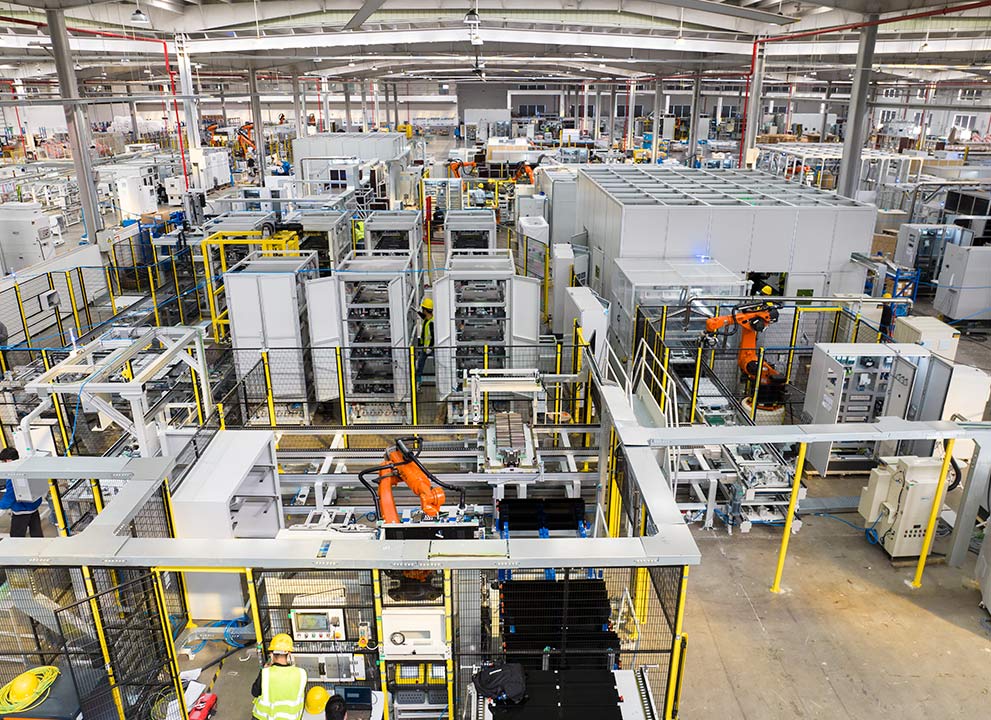
Here’s the short list of tangible contributions that separate vendors who help from vendors who sell:- Process definition: standard operating steps, takt times, and acceptance criteria.- Tooling that matches cell geometry and handles prismatic tolerances.- Inline inspection: vision systems, electrical checks, and tamper-proof traceability.- Safety systems: interlocks, proper ventilation for electrolyte handling, and procedures for thermal event isolation.When those pieces are engineered together, the line behaves predictably. That predictability is what OEMs pay for.
How the technology ties into the cell line
Integrating pack assembly with the upstream lithium battery cell production line is non-negotiable if you want coherent throughput and matched quality levels. A supplier who understands cell output — from formation yields to coating variance — will size buffer stations, recommend cell conditioning steps, and align cycle times so the pack line doesn’t starve or overflow. Real-world: big facilities like the Tesla Gigafactory in Nevada taught the industry that mismatched pacing between cell and pack lines kills OEE faster than any single equipment failure.
Common pitfalls teams repeat
Production managers keep tripping over the same things:- Buying machines without validating the cell-to-fixture interface.- Underestimating software integration work: MES hooks, recipe management, and traceability fields.- Treating safety as an afterthought until a near-miss forces redesign.- Skimping on commissioning time and vendor-led training.Avoid those and you cut launch delays and warranty exposure.
Practical checklist for vetting suppliers
Ask these, and expect clear, factual answers:- Can you provide a documented end-to-end process flow for prismatic pack assembly?- Do you include on-site integration and validation time in the quote?- Which inspection technologies do you offer for weld, joint, and cell integrity?- Can you share performance metrics from previous installs (yield, commissioning time)?- What are your failure-mode response procedures and training packages?A supplier who punts on any of these is going to cost you time and stress.
Design choices that actually matter on the floor
Stop debating trendy features and focus on decisions that reduce rework:- Fixturing tolerance over-speed: tighter fits lower misalignment rework.- Electrical test strategy: catch weak interconnects early with dual-station checks.- Repairability: design the line so a single cell or module can be removed without stopping the whole line.Good suppliers help you make these calls and back them with empirical validation, not guesses.
Final synthesis
Fix the core problems — uneven process definition, poor integration, and shallow commissioning — and the production headaches fade. Suppliers who pair practical engineering with proven on-site support give you fewer surprises and faster ramp. For many teams I’ve worked alongside, that precise mix of technical depth and shop-floor credibility is exactly what they find with FHS.