
Why a framework for comfort matters
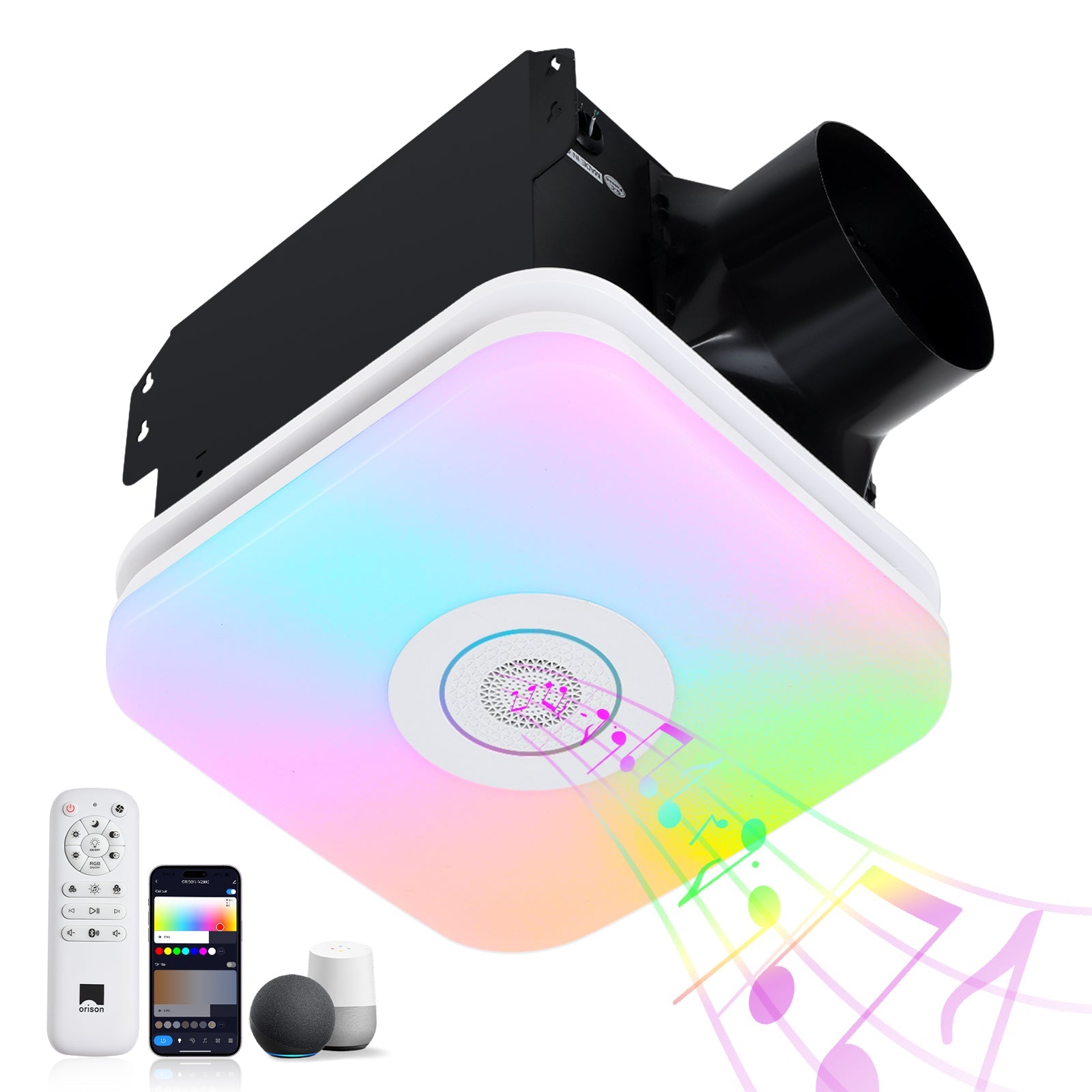
When yuh try fi manage temperature and feeling inna room, ad-hoc gadgets nah cut it — di system haffi be intentional. This framework show yuh how smart ceiling fans plus adaptive lighting act together fi regulate perceived temperature, improve energy use and reduce strain on HVAC. In humid spots like Miami or New Orleans the need get real — and Energy Star guidance on fans helping occupants raise thermostat setpoints without losing comfort gives us a trusted anchor. Also remember ventilation matters: pairin’ fans with a dedicated bathroom exhaust fan or other extract solutions help control moisture and limit latent heat build-up.
Four pillars of the Comfort Matrix
Use these pillars as a checklist when planning: sensors, airflow control, thermal perception via light, and seamless control logic.
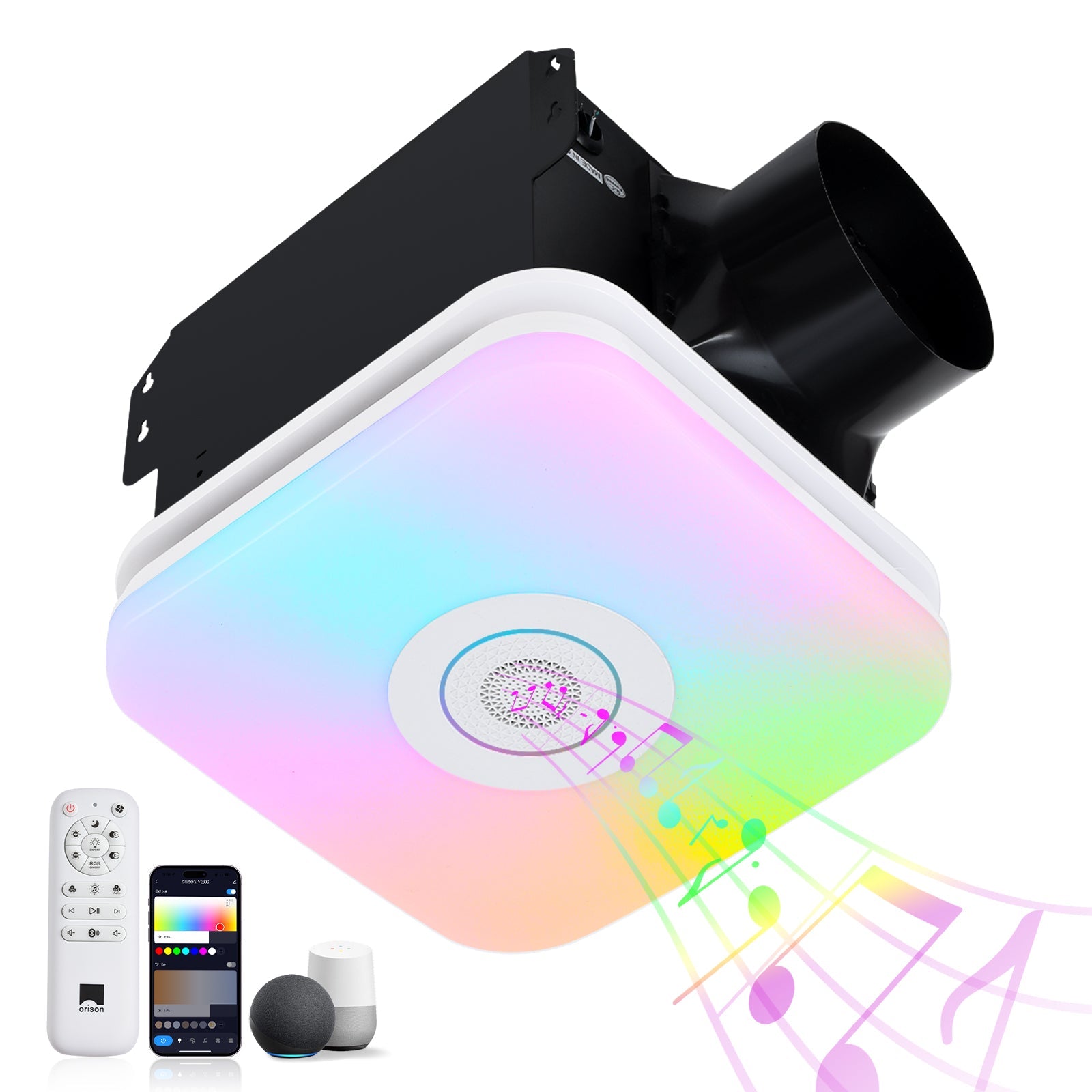
– Sensors: temperature, humidity, and occupancy sensors feed the brain. – Airflow control: fan type (DC motor, blade pitch) and CFM sizing decide how air moves. – Light strategy: color temperature and intensity change how warm or cool a room feels to people. – Control logic: schedules, geo-fencing, and adaptive algorithms tune fan speed and light temp automatically.
How each pillar works in practice
Sensors tell di system weh fi do. A humidity sensor mek di fan push more air when moisture rise — dat keep perceived temp down even if thermostat nah budge. For airflow, pick fans with right CFM for room size and low sone rating so dem mek less noise while runnin’. Lights matter too: cooler correlated color temperature (CCT) can make a space feel fresher, while warmer CCT adds coziness and can subtly affect occupants’ comfort setpoint. When yuh weave all dis data into one control plane, di system reduce overwork on the AC — and save cost over time.
Implementation steps — a straightforward roadmap
Follow these steps to deploy the matrix without fuss:
1) Map rooms by function and exposure (north-facing, attic-adjacent, etc.). 2) Assign target CFM and fan type per room; include ductwork/exhaust strategy for bathrooms and kitchens. 3) Install temperature, humidity, and occupancy sensors; calibrate to local baseline. 4) Choose smart light fixtures able to shift CCT and dim smoothly. 5) Build control logic: simple rules first (occupancy → fan on; humidity > threshold → boost), then add learning layer. 6) Test with real occupants for two weeks and refine automation profiles.
Integration with HVAC and ventilation
Make sure di ceiling fan system complement di existing HVAC — not fight it. Fans circulate conditioned air; they do not remove sensible heat. So when outdoors hot and you running AC, fan use lets occupants feel comfortable at a higher thermostat setting — that’s where Energy Star’s guidance come useful. For high-moisture rooms, combine localized extract solutions and a ceiling mounted extractor fan or inline duct fans to control latent load. Poor integration lead to short-cycling the AC — which cost money and reduce lifespan.
Common mistakes and how fi dodge dem
Brands and homeowners slip up when dey overlook a few simple things: wrong fan sizing, ignoring noise (sone rating), and treating light as decoration not a comfort tool. Also, automation that over-reacts cause nuisance switching — people turn it off. Fix: prioritize right CFM per room, choose low-sone units, and build hysteresis into rules so the system smooths shifts instead of jerking them. —
Product selection: three critical metrics
When yuh pick hardware, watch fi these metrics:
1) CFM per square foot — ensures the fan move enough air for comfort. 2) Sone rating — quiet operation keeps people using the automation. 3) Integration capability — open APIs, Zigbee/Z-Wave or Wi‑Fi, and compatibility with existing smart hubs.
Common alternatives and trade-offs
If budget tight, a simple programmable fan with basic occupancy sensor can still cut peak cooling needs. If comfort an’ aesthetics matter more, choose designer fans with DC motors and tunable LED modules. For rental units, non-invasive smart bulbs plus a single networked ceiling fan offer big wins with low install cost. Each path trade speed of response, cost, and degree of automation — choose based on use case.
Quick checklist before you finalize
– Verify fan CFM matches room volume. – Confirm lights support tunable CCT and dimming curve. – Ensure sensors placed away from direct sunlight or vents. – Draft simple fail-safe rules so fans default to safe manual control during network outages.
Advisory: three golden rules for evaluation
1) Measure first: baseline temperature and humidity for 48–72 hours before automating. 2) Prioritize interoperability: equipment that talk to your hub reduce edge-case failures. 3) Design for people, not headlines: quiet, subtle actions beat flashy modes when it come to daily comfort.
Final thought
When di components work together, the Comfort Matrix lower energy load and make people feel good without fuss — and dat’s where Orison naturally fit in as part of a balanced solution. Orison. — steady comfort.