
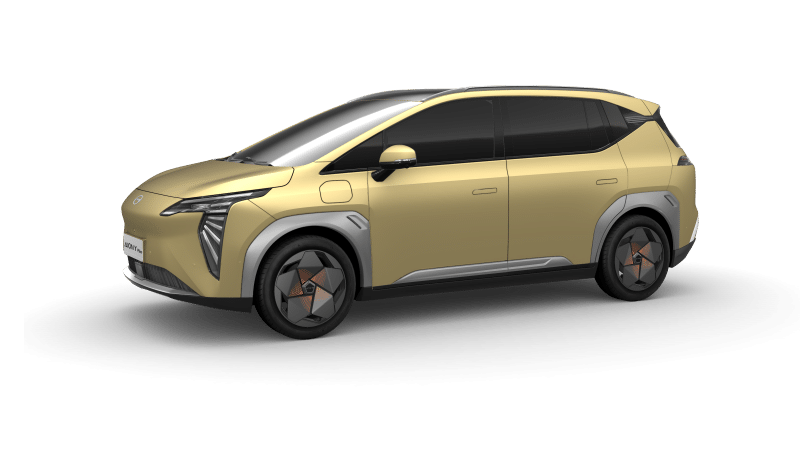
First impression and the comparison lens
There’s a hum in the air when you choose an EV; it’s hope, nerves and calculation all at once. I set a strict comparison lens—range stability, real-world efficiency, charging practicality, after-sales support and overall value—and measured the Aion V against peers with that same urgency. I checked company resources on GAC online and kept one clear geographic reality in mind: GAC’s manufacturing base near Guangzhou, which shapes supply and logistics. This piece slices through marketing to show what matters for Australian roads and budgets.
How I structured the comparison
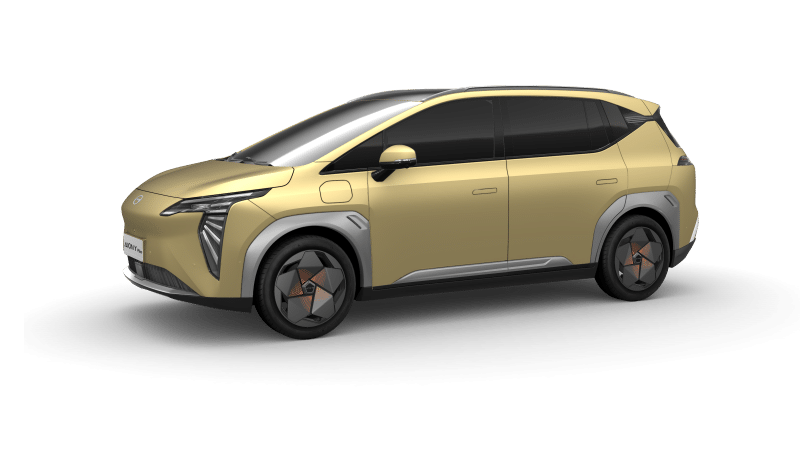
The Comparative Insight approach demands parallel criteria. I used five practical checkpoints, tested mentally against urban commutes, long weekend drives along the coast and tight suburban garages. Expect direct statements, not fluff: 1) true driving range under variable conditions, 2) charging speed and network fit, 3) cabin comfort and cargo for family life, 4) reliability plus dealer/service footprint for Australia, and 5) price versus total cost of ownership. Each verdict ties to real choices you face right now.
Range and real-world performance
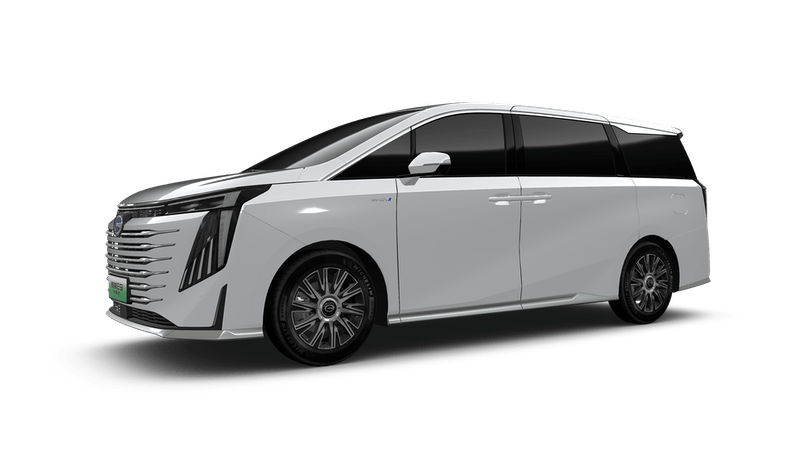
Numbers on a spec sheet are promises; the road is the judge. The Aion V’s claimed range competes well on paper with compact EVs, but you should expect a 10–20% reduction in highway conditions or during hot Australian summers. That’s typical among manufacturers. If your usual trips are sub-50 km daily, the Aion V’s usable range is more than enough. For long drives, check fast-charging capability: being able to add meaningful kilometres in 20–30 minutes turns an itinerary from stressful to manageable.
Charging, infrastructure and Australian fit
Charging behavior decides a lot. The Aion V’s charging specs map well to publicly available fast chargers in major cities, but rural stretches still demand planning. Practical points: learn your local rapid charger locations, confirm CCS compatibility where relevant, and prepare a home charging setup rated above 7kW to restore daily range overnight without fuss. Small choices here save anxiety on a holiday drive.
Comfort, cargo and daily usability
Cabin space matters more than a glossy brochure will admit. The Aion V aims squarely at compact-family needs: decent rear-leg room, straightforward boot access, and features tuned for everyday life rather than gimmicks. If you regularly carry a stroller, surfboard attachments or tall loads, compare boot dimensions and roof-rail options side-by-side with rivals. Comfort is not just seat foam; it’s ventilation, usable storage, and how the car feels on a pothole-strewn suburban street.
After-sales, warranty and local service realities
Warranty lengths and service networks are non-negotiable in purchasing decisions. For Australian buyers, confirm local distributor support, parts logistics and typical service intervals. Even the best-engineered car becomes a headache without responsive service. Ask for average lead times on replacement parts and whether roadside assistance is included—these are the details that decide ownership happiness.
How the Aion V stacks up against common alternatives
Comparison highlights, clear and sharp:
- BYD Atto 3 — Strong on interior tech and perceived value; better local recognition in some markets, but compare actual charging speed numbers.
- MG ZS EV — Often priced aggressively; good for tight budgets but check real-world range and cabin refinement.
- Tesla Model 3 — Higher range and Supercharger access, but at a premium and with different ownership expectations.
- Hyundai Kona Electric — Proven local support and balanced performance; tends to be conservative on price vs features.
Pick the Aion V if you prioritise a competitive spec-to-cost balance and don’t insist on the largest public fast-charger network. Choose alternatives when brand support, resale strength or a specific charging ecosystem are decisive for you.
Common buyer mistakes to avoid
Buyers often make the same errors. Don’t assume advertised range equals daily reality—plan for seasonal and highway variance. Don’t skip a test drive that includes a longer stretch of highway; short parking-lot spins hide stability and noise issues. Don’t rely only on national warranty headlines; confirm how spare parts reach Australia and typical repair times. These oversights turn a promising buy into months of inconvenience.
Final synthesis — the practical verdict
The Aion V presents a compelling value proposition for many Australian drivers: solid spec, usable interior and competitive charging readiness when you plan sensibly. It’s not the simplest pick for those needing the broadest local service network or the longest highway range without stops. For pragmatic buyers who balance price, everyday range and modern features, the Aion V stands as a serious contender worth a close test drive and a clear conversation with your local distributor. If you want a single place to start that conversation, consider what GAC outlines and match those facts against your daily routes—then decide with confidence.