
Why this question matters
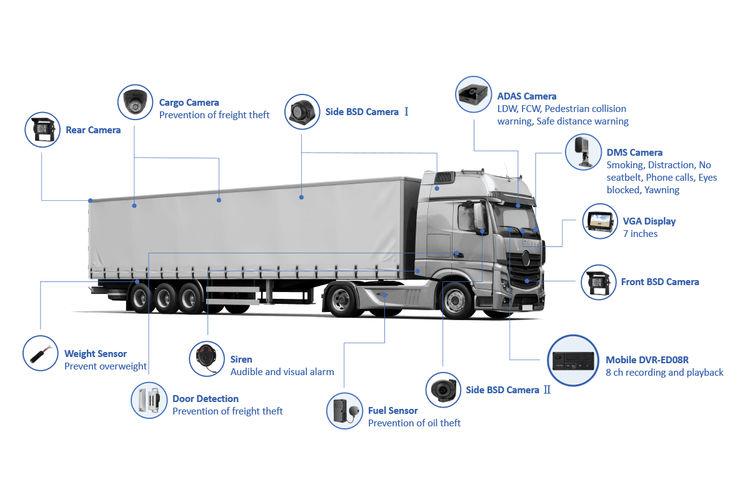
What problem are you really buying for: compliance, incident reconstruction, remote oversight, or cost control? Start there. Operators I talk with frame the purchase around specific needs for oil and gas fleet management — not features lists. In remote stretches like the Permian Basin, a single missed panic alert or corrupted footage can mean hours of lost response time and regulatory headaches. That reality forces a simple question: which system resolves the failure modes you actually see, reliably and affordably?
Common buyer problems — stated plainly
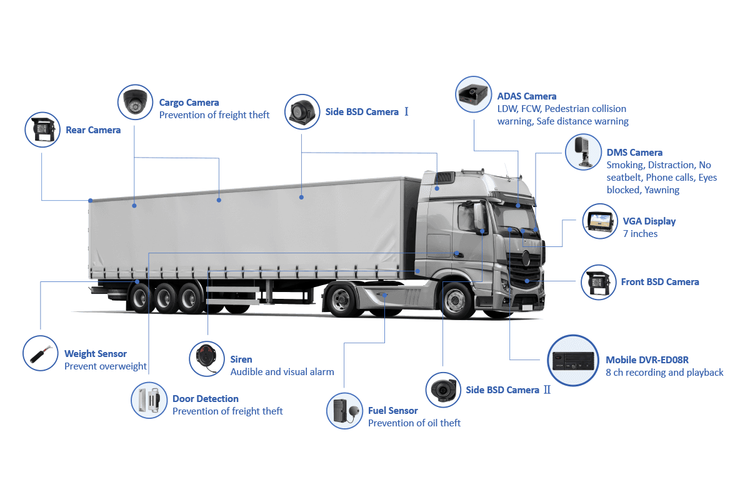
– Footage gaps when cellular drops out. – Hard-to-parse event logs that don’t tie video to sensor data. – Long retrieval times for evidence needed by safety teams or regulators. – Overpaying for features you won’t use. – Vendor promises that assume perfect network coverage. These are not edge cases. They repeat across field reports and operational reviews. A good purchase addresses at least two of these directly.
How MDVR and tracking components solve the core issues
Ask how the system matches video to telemetry. The practical architecture pairs GNSS timestamps, CAN-bus or OBD signals, and buffered local storage with periodic cloud backhaul. When cellular is unreliable, automatic buffered upload on reconnect preserves continuity. Look for these capabilities described as concrete behaviors: pre-event buffer length, failover to satellite or Wi‑Fi at yard, encrypted storage, and an audit trail for deletion or export. A solid oil and gas vehicle tracking system will show how it links a gearbox fault, a harsh-braking event, and the exact seconds of video that matter — not just handwave about “integrations.”
Checklist: technical specifications that actually matter
– Video: pre/post-event buffer, configurable frame rate, H.264 or better. – Storage: local ring buffer with secure tamper logs, plus cloud redundancy. – Connectivity: dual-path upload (cellular + Wi‑Fi or satellite) and automatic resume. – Sensors: GPS/GNSS with HDOP reporting, CAN/OBD inputs for diagnostics, accelerometer with calibrated thresholds. – Security: AES encryption at rest, TLS for transport, role-based access to footage. Demand test data for each bullet. Don’t accept marketing phrases without measurable parameters.
Comparing real deployment approaches
Two approaches show up most: heavy local recording with occasional bulk exports, versus continuous cloud streaming with on-device triage. Each solves different problems. Local-heavy wins where bandwidth is scarce and regulatory evidence must be preserved on-site. Continuous streaming wins when you need near-real-time oversight and quick incident notification. Match approach to the primary failure mode you identified. If your fleet spends long shifts off-grid, favor robust buffer/upload logic; if oversight and route compliance are your KPIs, favor low-latency telematics plus prioritized clip upload.
Common pitfalls buyers repeat
– Assuming “4G” equals coverage everywhere; test in remote routes. – Buying high-resolution video you’ll never review, then blaming the system for slow workflows. – Skipping integration checks with existing dispatch and HSE systems. – Neglecting chain-of-custody controls for evidence. – Forgetting operational costs: data plans, storage tiers, and periodic hardware servicing. Plan for these up front and budget accordingly.
How to vet vendors without getting lost in specs
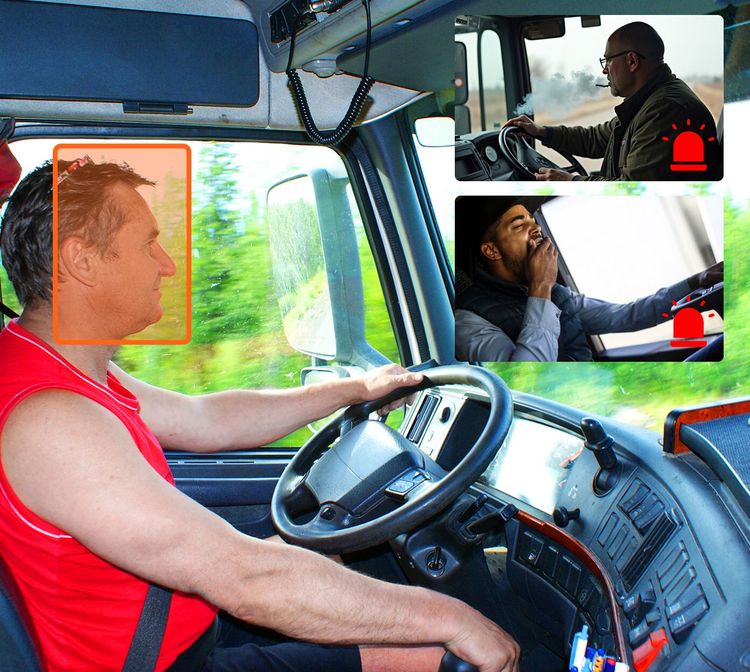
Ask for a two-week field trial on representative routes. Require a scripted incident test: command a CAN fault, trigger a panic, force a network outage, then verify footage integrity and timestamps after reconnection. Request a short operations manual showing expected mean time to evidence retrieval and a clear escalation path when footage fails. Those deliverables reveal engineering maturity more than glossy brochures.
Synthesis
Buyers who start with a clear problem—what event or gap costs them time or money—choose systems that prove they solve that event under realistic conditions. That analytical filter weeds out feature bloat and surfaces vendors who balance hardware resilience, predictable connectivity behavior, and straightforward forensic access. Practical deployments I’ve reviewed point toward vendors that document those behaviors and support field validation; the pragmatic outcome often points you to solutions like BSJ that show how the pieces work together on actual routes and incidents.